Home › Onsen towns › Yunoyama Onsen
Yunoyama Onsen 湯の山温泉
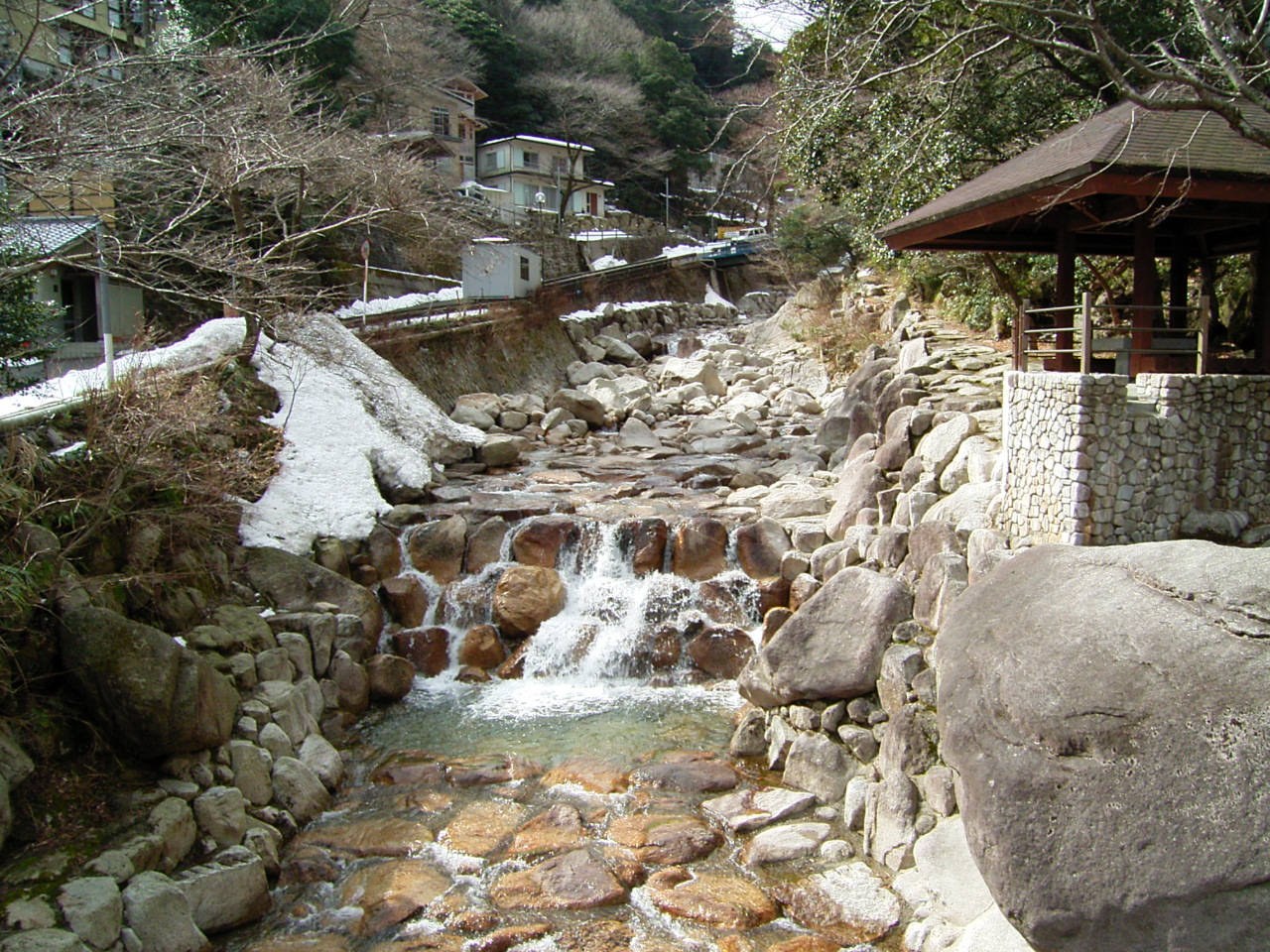
Yunoyama's alkaline radium springs line a valley in Komono, Mie, at Yunoyama-Onsen Station on the Kintetsu Yunoyama Line. Above the inns rises Mount Gozaisho, reached by one of Japan's great ropeways; the town has been the mountain's bath house since the Edo period. Below are the bathhouses, spring sources and onsen facilities recorded in OpenStreetMap within about 2 km of the town centre.
| Prefecture | Mie |
|---|---|
| Region | Kansai |
| Spring quality | Radioactive (radium) spring, alkaline |
| Source temperature | Varies by source along the valley |
| Nearest station | Yunoyama-Onsen (Kintetsu Yunoyama Line terminus) |
| From Tokyo | About 3 hours — Shinkansen to Nagoya + Kintetsu lines |
| From Osaka | About 2 hours — Kintetsu to Kintetsu-Yokkaichi + Yunoyama Line |
| Best season | Autumn leaves on Mount Gozaisho; winter for the ropeway's frost-covered trees |
| Places listed here | 1 |
| Public bathhouses | 1 |
| Hot spring sources | 0 |
Spring quality, source temperatures and access routes are drawn from the Japanese Wikipedia articles on each town (CC BY-SA 4.0) and the English articles credited below. Journey times are typical scheduled times for the routes named, rounded — always check current timetables before you travel.
About Yunoyama Onsen
Yunoyama Onsen (湯の山温泉) is a hot-spring town in Komono, Mie Prefecture, strung along a mountain valley in the hills of northern Mie. Its water is a radioactive (radium) spring, alkaline in character, with source temperatures varying from source to source along the valley. Radium springs are uncommon, and the water has drawn bathers up this valley for centuries.
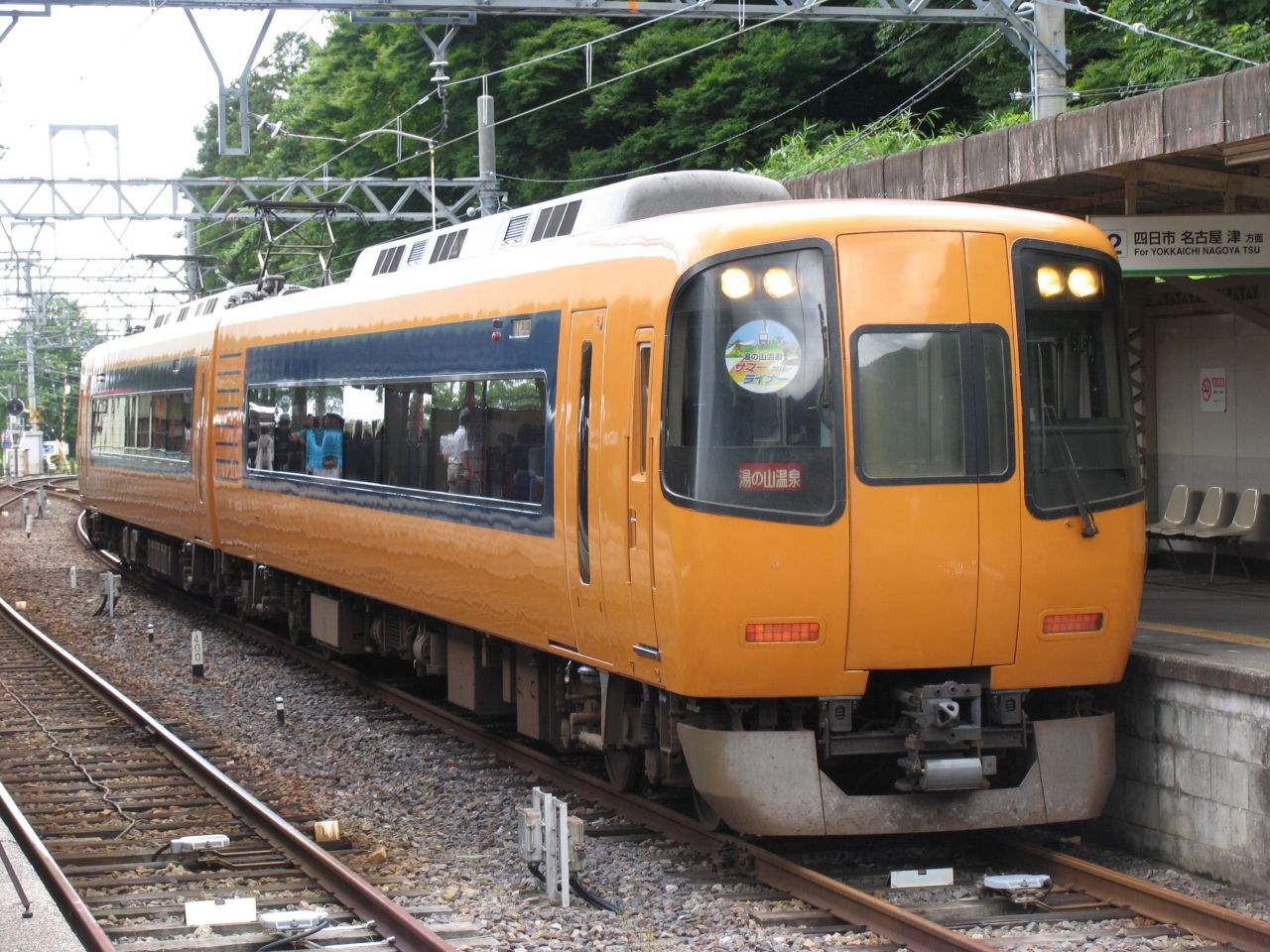
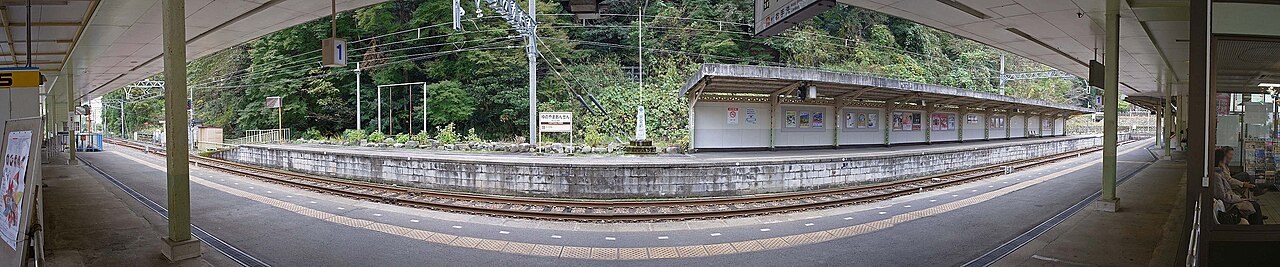
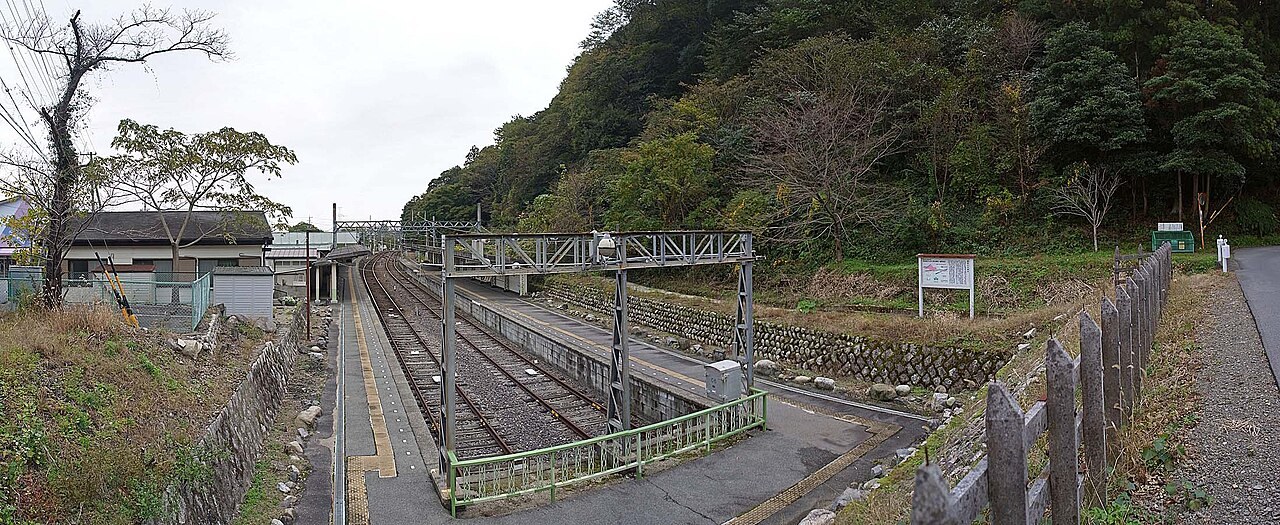
Unusually for a mountain spring, Yunoyama has its own station at the valley’s entrance: Yunoyama-Onsen, the terminus of the Kintetsu Yunoyama Line. That direct rail link has shaped the town’s life — this is a spa you reach by local train, stepping off the platform almost within sight of the first inns, with the mountains rising immediately behind them.
Getting there: the train runs to the spring
From Tokyo, the journey takes about 3 hours: Shinkansen to Nagoya, then Kintetsu lines across to the Yunoyama Line and up to its terminus. From Osaka, allow about 2 hours, riding the Kintetsu to Kintetsu-Yokkaichi and changing onto the Yunoyama Line for the climb into the hills. In both cases the last stretch is the pleasant part, as the train leaves the plain and follows the valley up to the spring town.
That ease of access shows in the town’s numbers: annual bathers were recorded at 2,248,070 in the 2013 statistics, a remarkable figure for a single valley and one that makes Yunoyama among the most-visited spa towns in the region. It remains, in the best sense, a working resort — busy at weekends and holidays, when half of Nagoya and the Kansai seem to have had the same idea, and calm in between.
The valley through the seasons
Above the town, the year has two great set pieces, both recorded as the seasons to aim for. In autumn, the slopes of Mount Gozaisho turn with maple colour, and the valley road runs up through the changing trees. In winter, the mountain wears frost-covered trees — silver, still and brittle-looking against the sky — and the contrast between the frozen ridge above and the warm radium water below is the town’s signature pairing.
Within the town itself, Oishi Park, on the valley floor among the inns, gives the resort a green centre for a stroll between baths. A simple rhythm suits Yunoyama: arrive by the little train, walk the valley, bathe, and ride the mountain when the season is showing it off. The spring has served this pattern since long before the railway — the train merely made it available to everyone.
The sections above were written for this guide from the facts in the Japanese Wikipedia article 「湯の山温泉 (三重県)」 and the spring and access data summarised on this page, under CC BY-SA 4.0.
The Gozaisho gateway
Yunoyama lines the valley road below Mount Gozaisho (1,212 m), and the Gozaisho Ropeway — one of Japan's largest gondola systems — climbs from the spring town to the summit ridge, famous for autumn leaves, winter hoarfrost and views to Ise Bay. The spring itself is a radium spring, alkaline in character, known since the Edo period when it served travellers and mountain ascetics under the name of the valley's hot water.
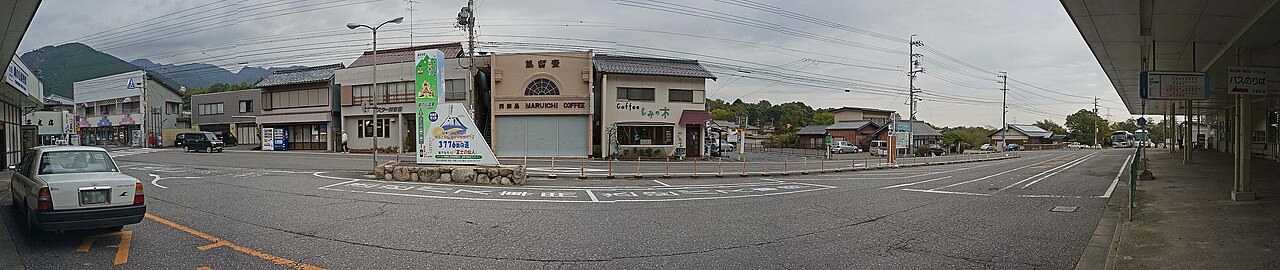
The town keeps the pattern of a ropeway gateway: family inns along the Yunoyama river, day-bathing at the larger houses, and the Aqua Ignis complex near the station area for food and bathing. It pairs naturally with the pottery and the old post-town streets of Komono and with Nagoya as a day or overnight trip.
Additional sections above were translated and summarised from the Japanese Wikipedia article 「湯の山温泉 (三重県)」, available under CC BY-SA 4.0.
Public bathhouse (recorded as onsen in OpenStreetMap) (1)
- 片倉温泉
OpenStreetMap
Gallery





Names, types and websites are shown exactly as recorded in OpenStreetMap. A bathhouse whose spring type is not recorded is labelled as such — we do not guess. Before your first visit, read how to use an onsen.
More onsen towns
- Miya Onsen 三谷温泉 — Down to Mikawa Bay — Gamagori's historic shore spring
- Ogoto Onsen おごと温泉 — West to Lake Biwa's shore springs
- Kurama Onsen 鞍馬温泉 — Another mountain spring below a famous ropeway peak (Kyoto)
- Gero Onsen 下呂温泉 — North to Gifu's silky alkaline river town
Keep exploring
- All onsen towns in Kansai — this town's region, town by town
- Browse by spring type — find towns by their water
- Browse by feature — day trips, snow-view baths, free communal baths and more