Home › Onsen towns › Ogoto Onsen
Ogoto Onsen おごと温泉
Ogoto's alkaline simple springs line the western shore of Lake Biwa in Otsu, at Ogoto-onsen Station on the JR Kosei Line — about 20 minutes from Kyoto Station. Said to have been opened by the monk Saichō some 1,200 years ago, it is Shiga's largest spring town, a row of lakeside inns facing the water. Below are the bathhouses, spring sources and onsen facilities recorded in OpenStreetMap within about 2 km of the town centre.
| Prefecture | Shiga |
|---|---|
| Region | Kansai |
| Spring quality | Simple spring (alkaline simple water, pH 8.58) |
| Source temperature | About 30 °C at source |
| Nearest station | Ogoto-onsen (JR Kosei Line) |
| From Tokyo | About 2 hours 30 minutes — Shinkansen to Kyoto + JR Kosei Line |
| From Osaka | About 1 hour via Kyoto (JR Kosei Line) |
| Best season | Year-round — lake views in every season, fireworks over Biwa in summer |
| Places listed here | 3 |
| Public bathhouses | 3 |
| Hot spring sources | 0 |
Spring quality, source temperatures and access routes are drawn from the Japanese Wikipedia articles on each town (CC BY-SA 4.0) and the English articles credited below. Journey times are typical scheduled times for the routes named, rounded — always check current timetables before you travel.
About Ogoto Onsen
Ogoto Onsen (おごと温泉) is a hot-spring town on the shore of Lake Biwa in Otsu City, Shiga Prefecture, in the Nouka and Ogoto districts. Its water is an alkaline simple spring at pH 8.58, emerging at about 30 °C. Traditionally said to have been opened by the monk Saicho, it carries a history of some 1,200 years and is the largest hot-spring resort in Shiga Prefecture.
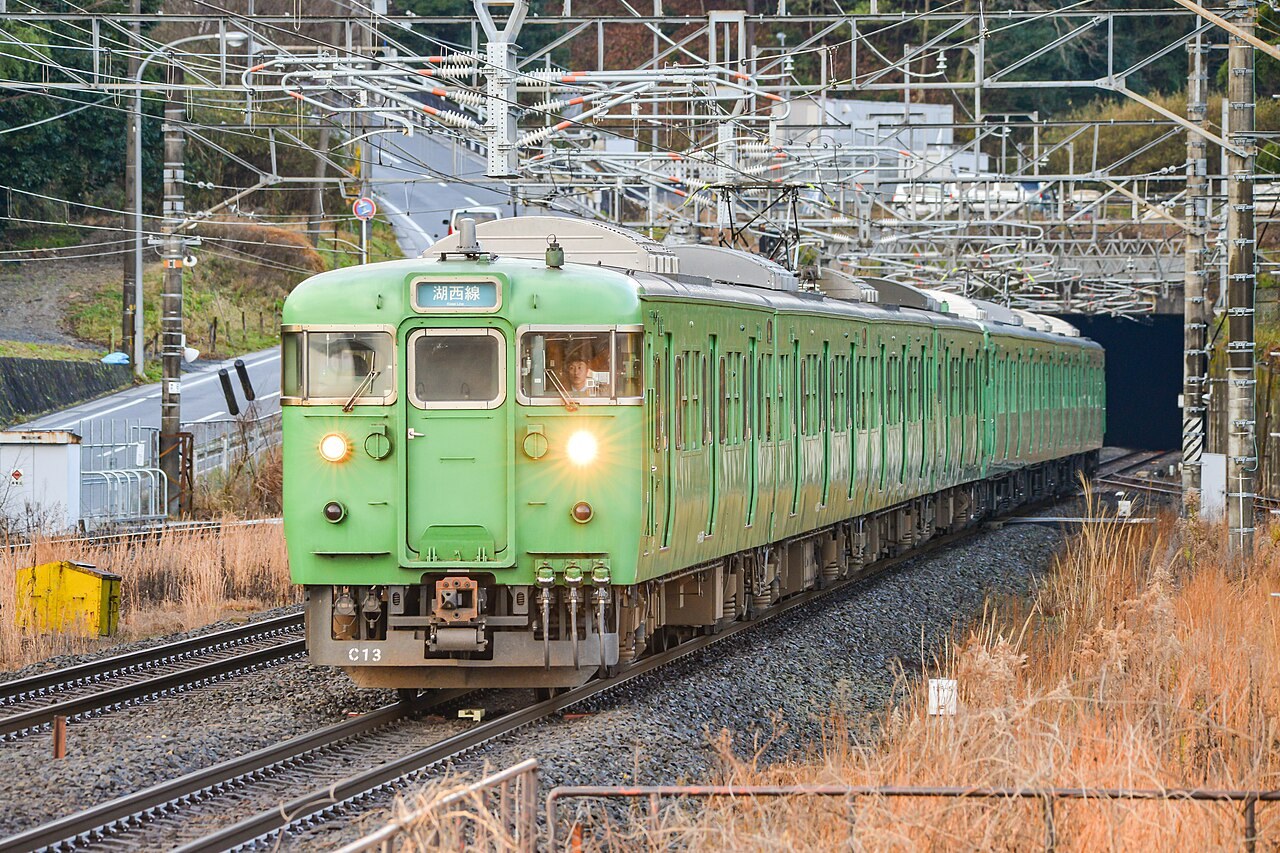
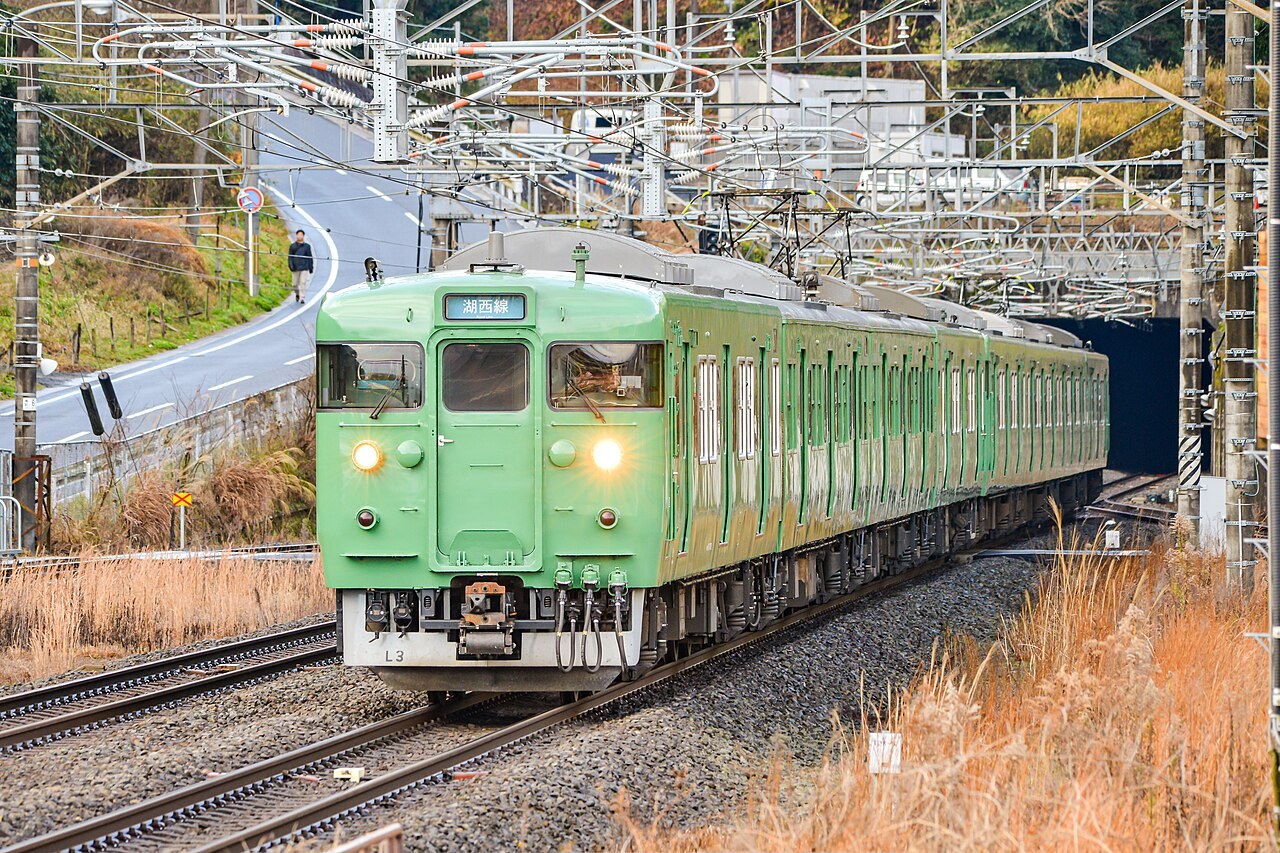
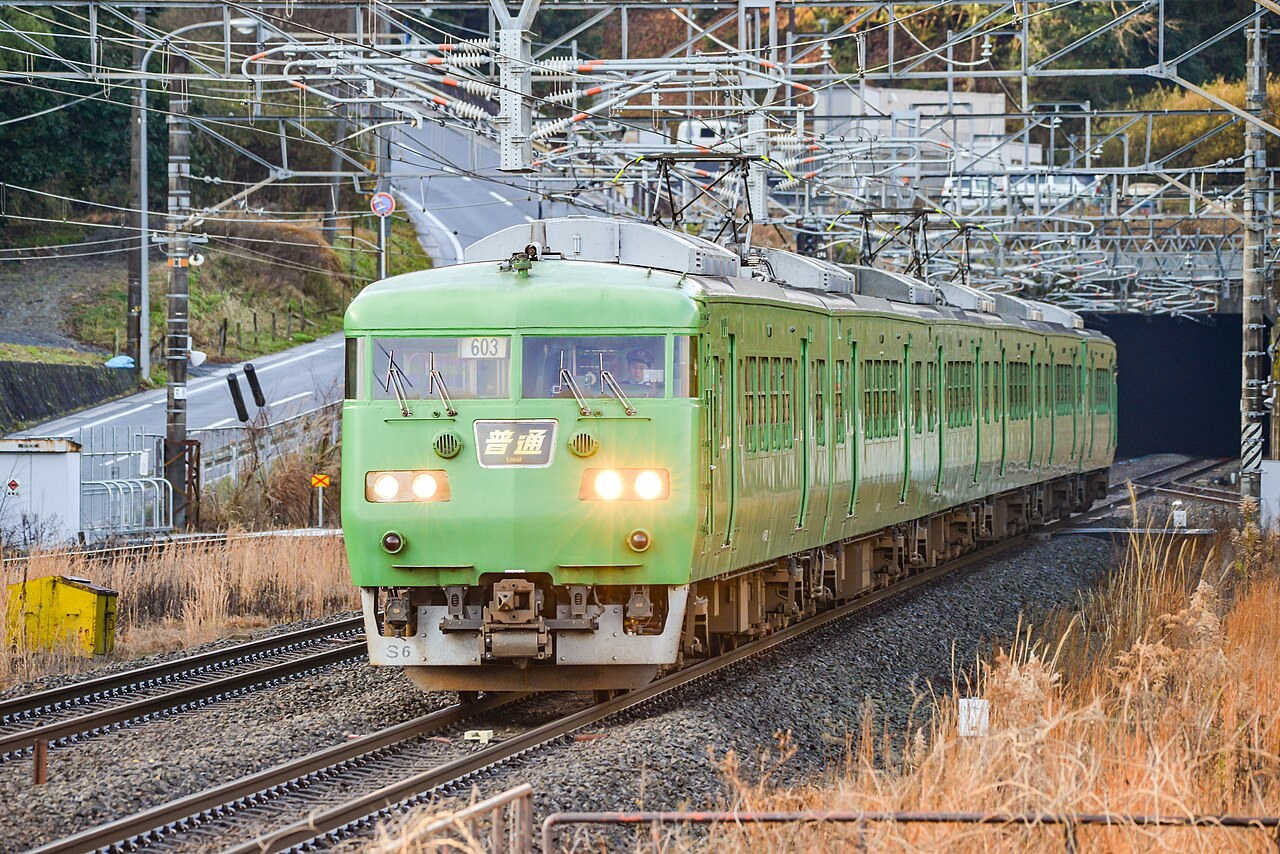
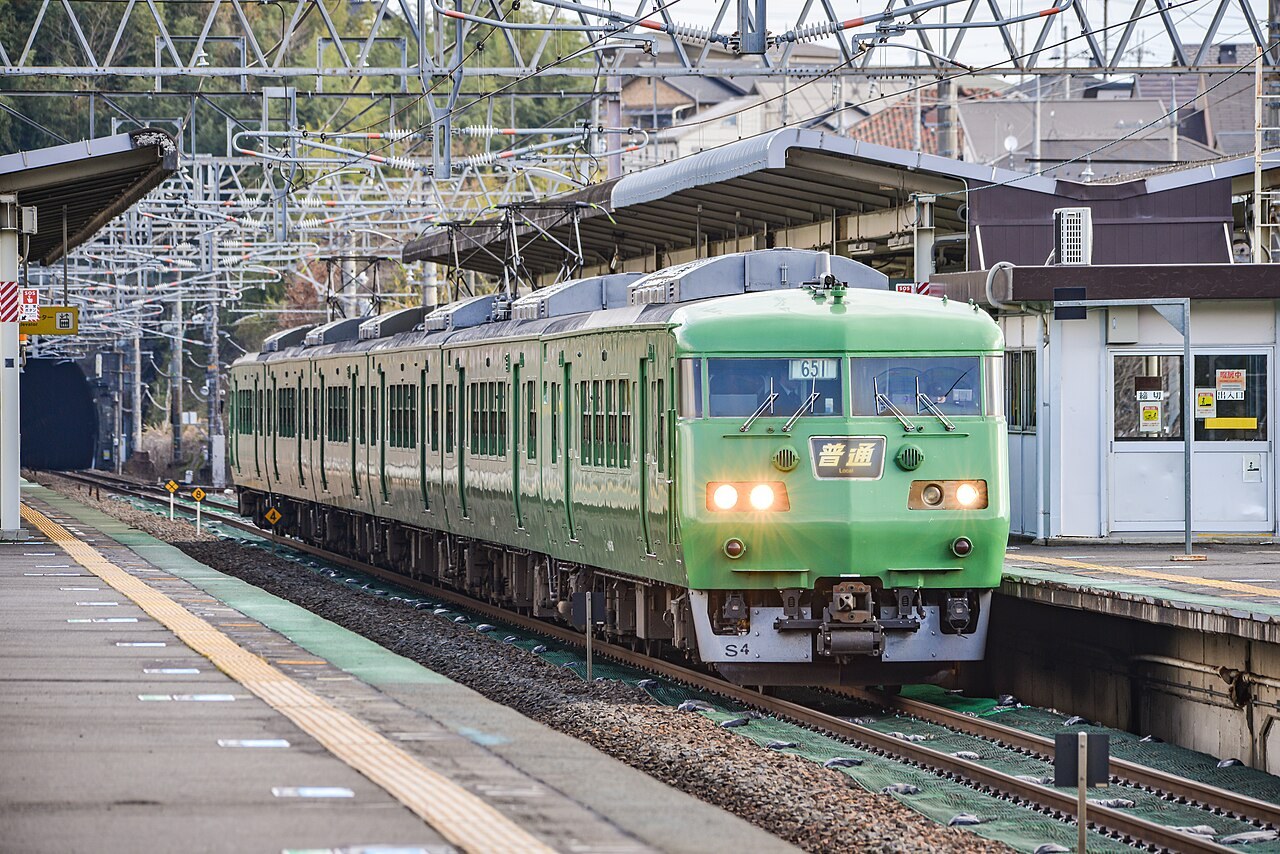
The town is one of the easiest lake resorts in Kansai to reach: Ogoto-onsen Station on the JR Kosei Line serves it directly, about an hour from Osaka via Kyoto and about two hours and thirty minutes from Tokyo by shinkansen to Kyoto and the Kosei Line.
The water: an alkaline simple spring at about 30 °C, pH 8.58
Ogoto’s water is classed simply as a simple spring, but the figures give it a clear personality: about 30.0 °C at source, pH 8.58, alkaline and hypotonic in character. Because the source is only just above bathing warmth, the appeal here is the soft, alkaline quality of the water rather than a scalding source, and the baths are managed for comfortable soaking by the lake.
Three public bathhouses are listed here, including footbaths recorded in the map data, so day visitors as well as inn guests can sample the water. With nine lodging houses recorded, the bathing is concentrated and easy to reach from the station side of town.
Saicho’s spring: a history of some 1,200 years
Tradition credits the founding of the spring to Saicho, the monk associated with the great temple mountain above this side of Lake Biwa, and the town presents itself as a venerable spring with about 1,200 years of history behind it. That lineage makes Ogoto one of the old, established names among Kansai springs rather than a modern development.
The modern chapter is also recorded: since the year 2000 the local tourism association and others have used the hiragana spelling of the name, and in October 2006 the resort was registered as a regional brand, a collective trademark recognising the place name itself. The first inn of the modern resort, Yumotokan, was founded in 1929, according to the article’s photo record.
On the shore of Lake Biwa: the lake in every season
Ogoto’s setting is its second asset after the water. The town faces Lake Biwa, Japan’s great freshwater lake, and the listed best season is simply year-round: lake views in every season, with fireworks over Biwa in summer as the high point of the calendar. A lakeside inn town lives differently from a mountain one — the outlook is open water rather than enclosed valley.
The Japanese record notes that the resort has changed markedly in recent years through its innkeepers’ efforts, with guest numbers rising steadily; the statistics quoted give 489,487 bathers in 2011. It remains, in other words, a working, growing resort as well as an old one.
Getting there: the JR Kosei Line to Ogoto-onsen Station
Rail access is the straightforward part of an Ogoto trip. From Osaka, travel via Kyoto on the JR Kosei Line: about one hour in total. From Tokyo, take the shinkansen to Kyoto and change to the Kosei Line, about two hours and thirty minutes altogether. The station carries the resort’s name, Ogoto-onsen, and the town is arranged for arrivals on foot from there.
Because Kyoto is the hinge of the journey, Ogoto pairs naturally with time in Kyoto or Otsu: a city day, then a short hop up the western shore of the lake to an evening in the water.
The sections above were written for this guide from the facts in the Japanese Wikipedia article 「雄琴温泉」 and the spring and access data summarised on this page, under CC BY-SA 4.0.
Public bathhouse (recorded as onsen in OpenStreetMap) (1)
- スパリゾート雄琴 あがりゃんせ
OpenStreetMap
Public bathhouse (spring type not recorded in OpenStreetMap) (2)
- おごと温泉 六角足湯
OpenStreetMap - 足湯
OpenStreetMap
Gallery
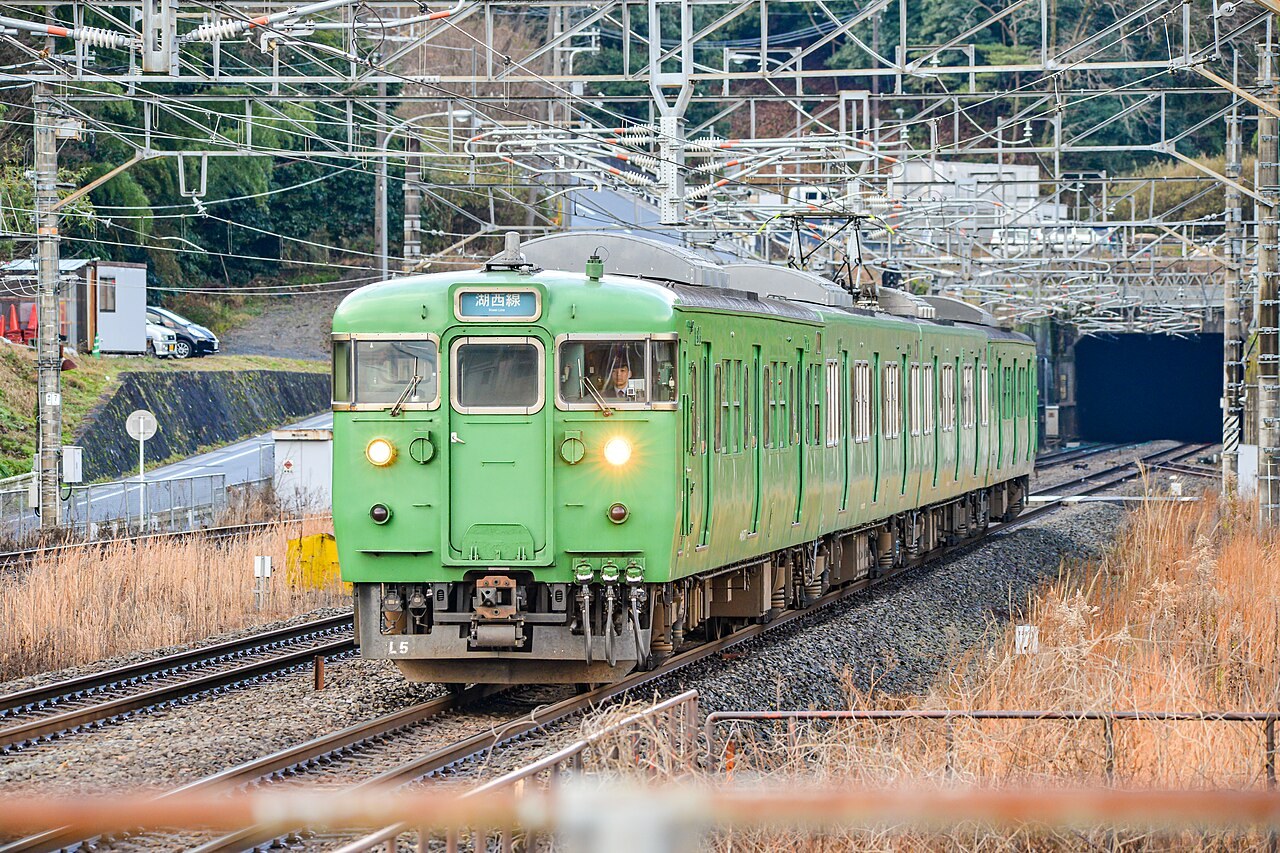

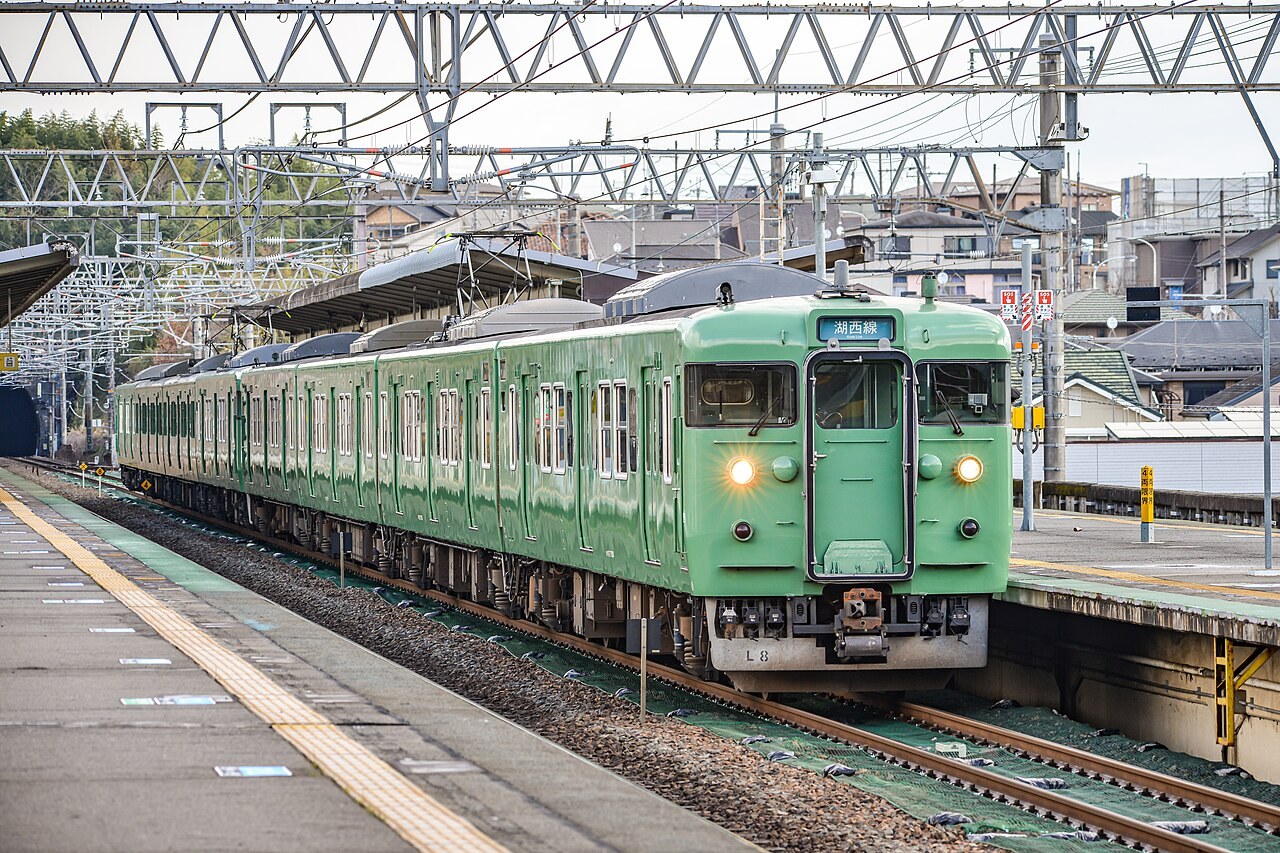



Names, types and websites are shown exactly as recorded in OpenStreetMap. A bathhouse whose spring type is not recorded is labelled as such — we do not guess. Before your first visit, read how to use an onsen.
More onsen towns
- Kurama Onsen 鞍馬温泉 — Into the mountains behind Kyoto — the open-air bath under Kurama-dera
- Arima Onsen 有馬温泉 — Kansai's other ancient spring, behind Kobe
- Yunoyama Onsen 湯の山温泉 — East into Mie — the mountain radium spring
- Awara Onsen あわら温泉 — North up the Hokuriku corridor — the inn town of private wells
Keep exploring
- All onsen towns in Kansai — this town's region, town by town
- Browse by spring type — find towns by their water
- Browse by feature — day trips, snow-view baths, free communal baths and more