Home › Onsen towns › Kurama Onsen
Kurama Onsen 鞍馬温泉
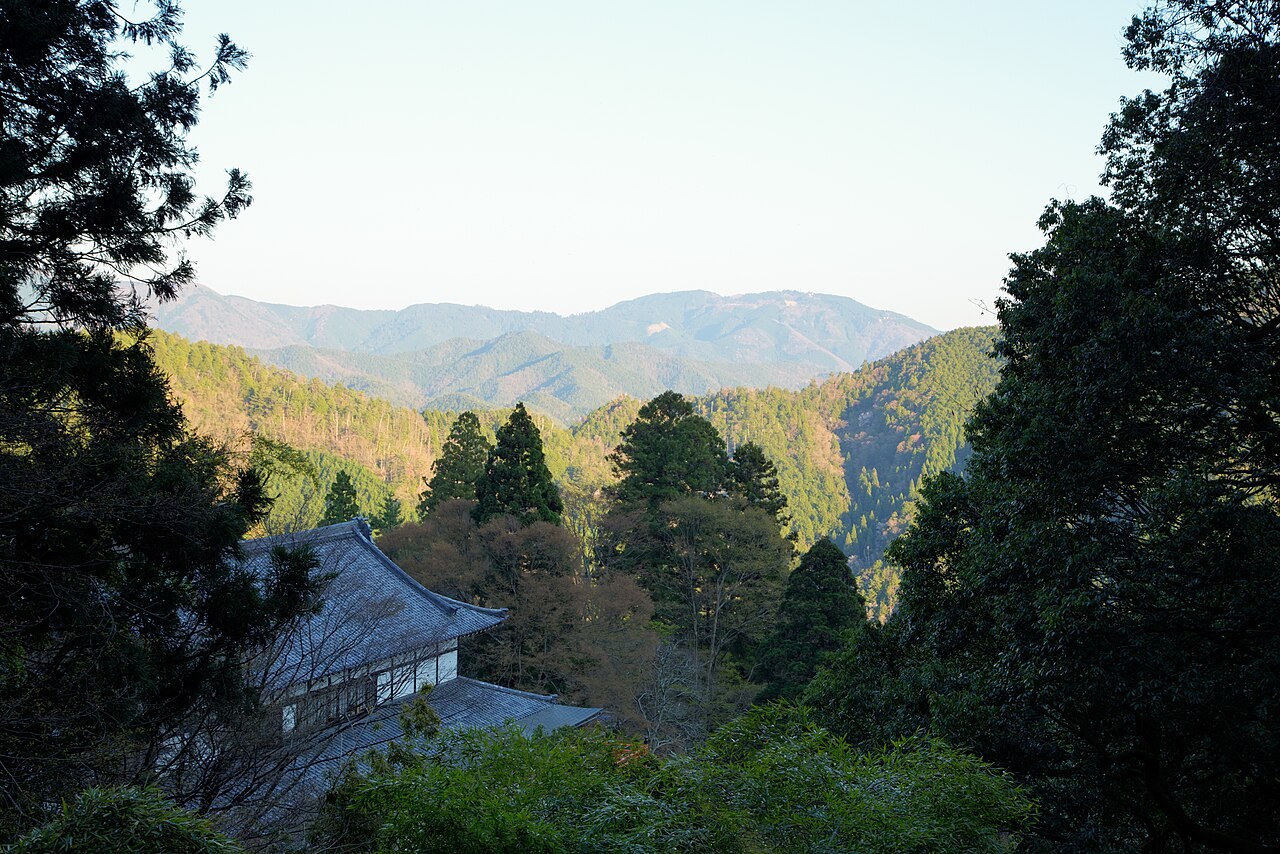
Kurama's simple sulphur spring fills a famous open-air bath in the mountain village at the end of the Eizan line, about 35 minutes from central Kyoto to Kurama Station. Bathers look up at forested slopes below Kurama-dera, the temple of the tengu legends, and the village is the start of the mountain trail over to Kibune. Below are the bathhouses, spring sources and onsen facilities recorded in OpenStreetMap within about 1.5 km of the town centre.
| Prefecture | Kyoto |
|---|---|
| Region | Kansai |
| Spring quality | Simple sulphur spring (simple hydrogen-sulphide water, mildly alkaline) |
| Source temperature | Cool source (about 15 °C recorded), heated for bathing |
| Nearest station | Kurama (Eizan Kurama Line terminus), then about 3 minutes by shuttle bus |
| From Tokyo | About 3 hours — Shinkansen to Kyoto + Eizan Line |
| From Osaka | About 1 hour 30 minutes via Kyoto |
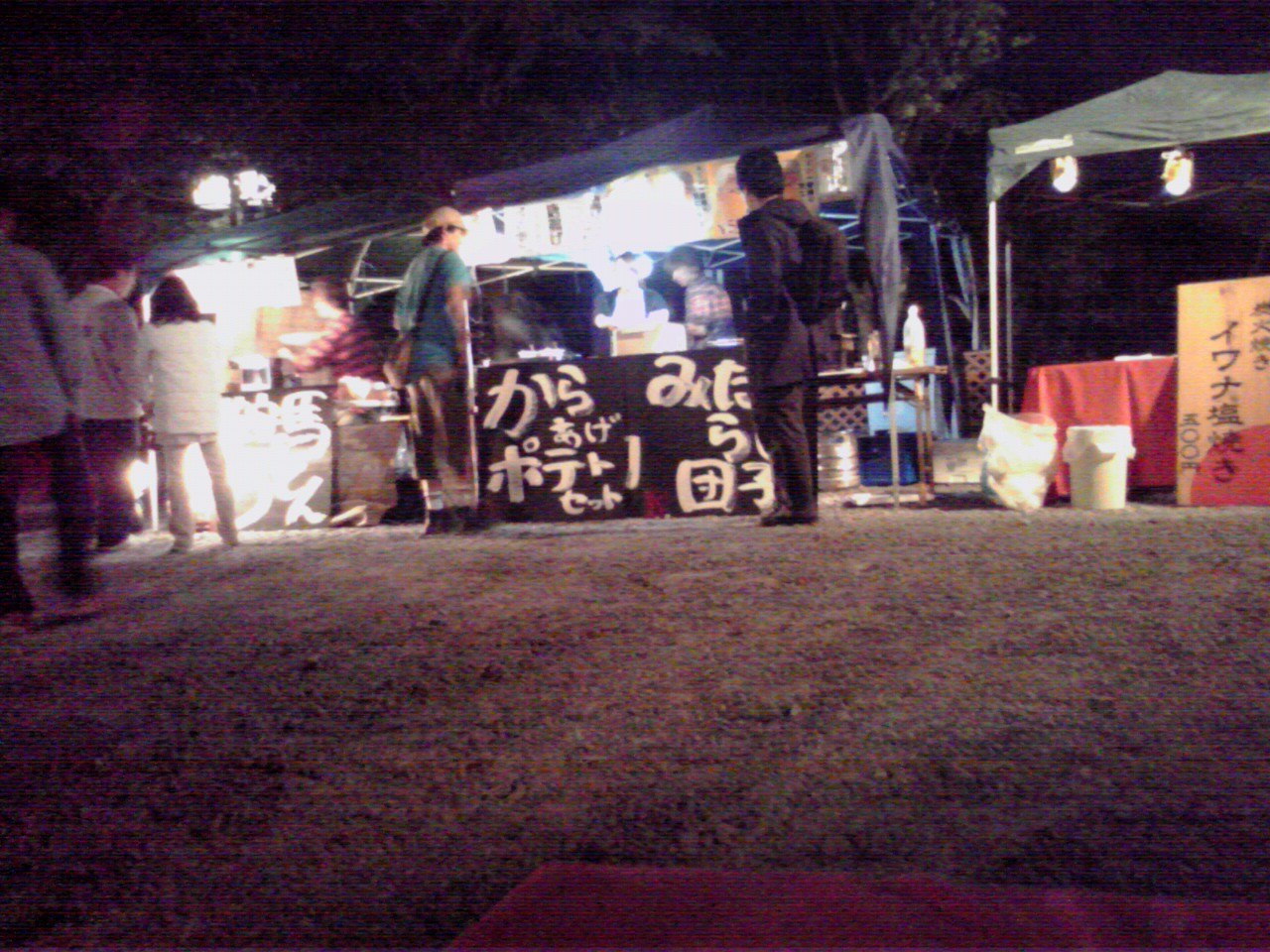
| Best season | Autumn leaves over the open-air bath; the October Kurama Fire Festival |
| Places listed here | 1 |
| Public bathhouses | 1 |
| Hot spring sources | 0 |
Spring quality, source temperatures and access routes are drawn from the Japanese Wikipedia articles on each town (CC BY-SA 4.0) and the English articles credited below. Journey times are typical scheduled times for the routes named, rounded — always check current timetables before you travel.
About Kurama Onsen
Kurama Onsen (鞍馬温泉) is a small hot-spring site in Kurama Honmachi, Sakyo Ward, in the mountains at the northern edge of Kyoto City. Its water is a simple sulphur spring — a simple hydrogen-sulphide water, mildly alkaline in character — drawn from a cool source and heated for bathing. The site sits in the mountain village below the temple of Kurama-dera, at the end of the Eizan Kurama Line.
Kurama is reached from Kyoto by the Eizan Line to its terminus at Kurama Station, then about three minutes by shuttle bus: about three hours in total from Tokyo via the shinkansen to Kyoto, and about one hour and thirty minutes from Osaka via Kyoto.
The water in figures: a simple hydrogen-sulphide spring, pH 7.6
The formal classification behind the familiar description is worth setting out in full. Kurama’s water is listed as a simple hydrogen-sulphide spring: a simple sulphur water with pH 7.6, mildly alkaline (weakly alkaline in the Japanese classification) and hypotonic. Simple springs are the lightest category of Japanese hot-spring water, defined more by what they lack — a high load of dissolved components — than by strong salts, and the hydrogen-sulphide content is what gives this one its sulphur identity.
The recorded source temperature is about 15 °C, which places Kurama among Japan’s cold springs: the water rises cool and must be heated before it can be bathed in. That figure also explains the shape of the place — a spring valued for the quality of its water and its mountain setting, with the heating done by the bathhouse rather than by the volcano. One public bathhouse is listed here, and it is the whole of the resort: a single-site spring rather than an inn town with competing wells.
Getting there: to the end of the Eizan Line, three hours from Tokyo
The journey is part of the day out. From Tokyo, take the shinkansen to Kyoto and cross the city to the Eizan Kurama Line, riding it to the terminus at Kurama: about three hours door to door. From Osaka, the same route via Kyoto takes about one hour and thirty minutes. The line climbs out of the city into the northern hills, and the terminus is a mountain station, not a city one.
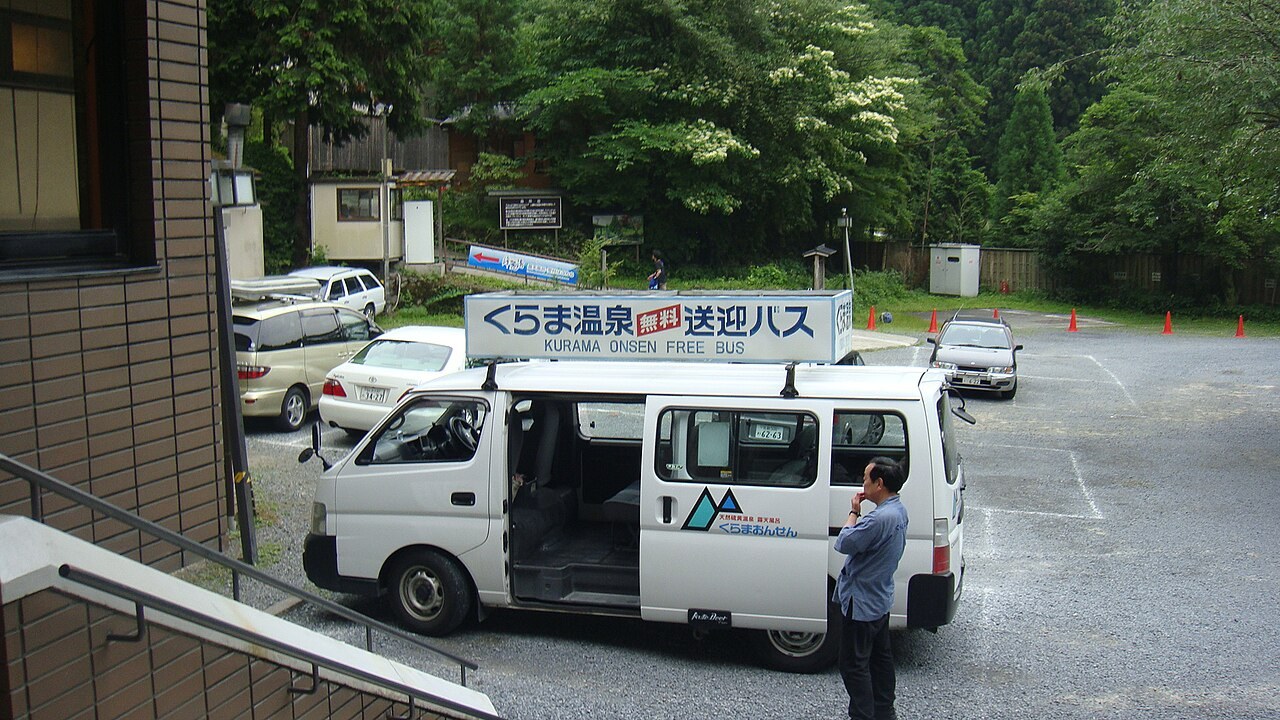
From Kurama Station the bathhouse is about three minutes by its shuttle bus. The geography matters for planning: Kurama is a village in a valley above Kyoto, reached by a single local line, so the return journey is the same train back down the hill. Visitors should build the day around the line’s rhythm — temple and mountain first, bath afterwards, then the train down to the city — and confirm the bathhouse’s current operating status before setting out, since the one listed place is the destination itself.
The sections above were written for this guide from the facts in the Japanese Wikipedia article 「鞍馬温泉」 and the spring and access data summarised on this page, under CC BY-SA 4.0.
One famous open-air bath
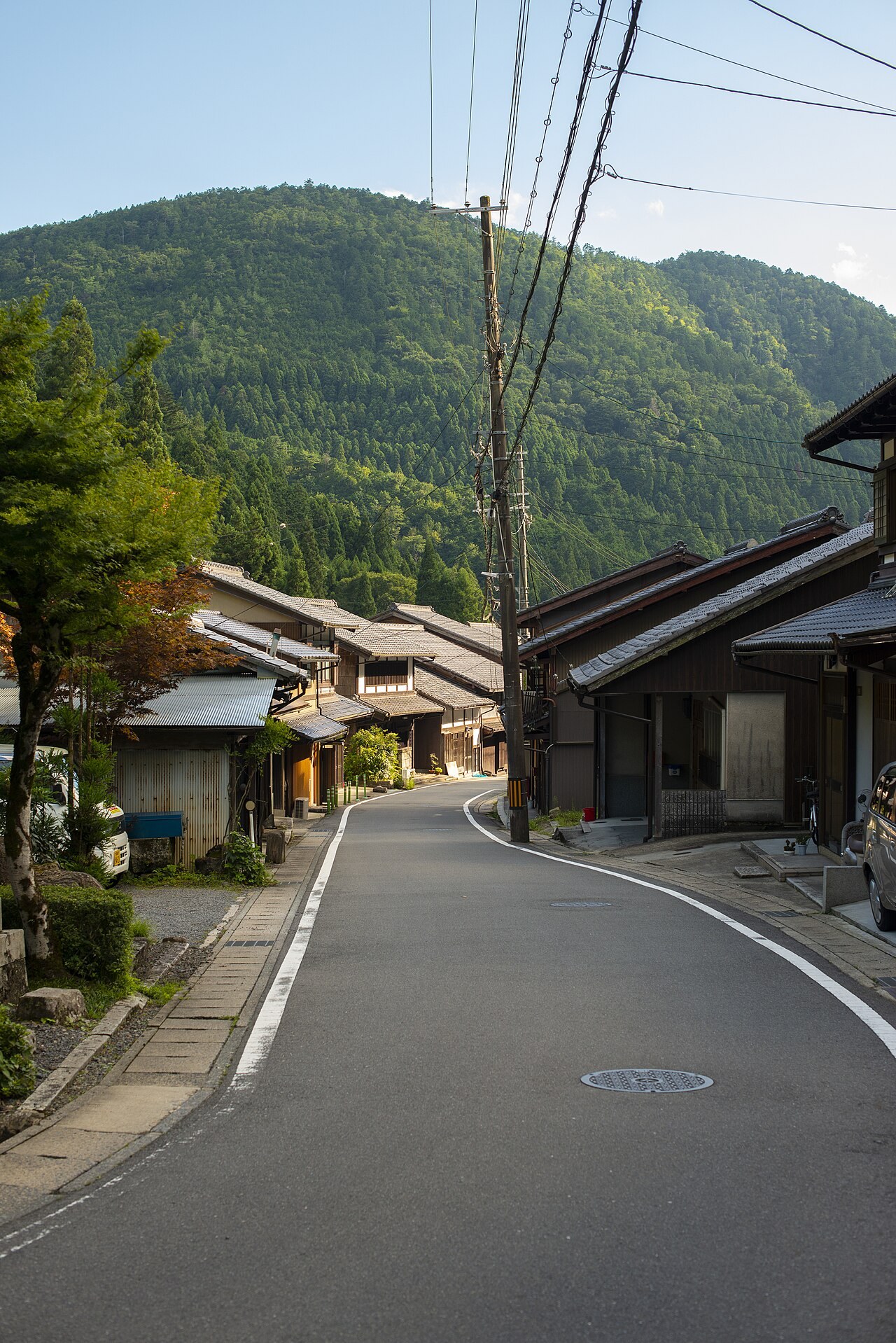
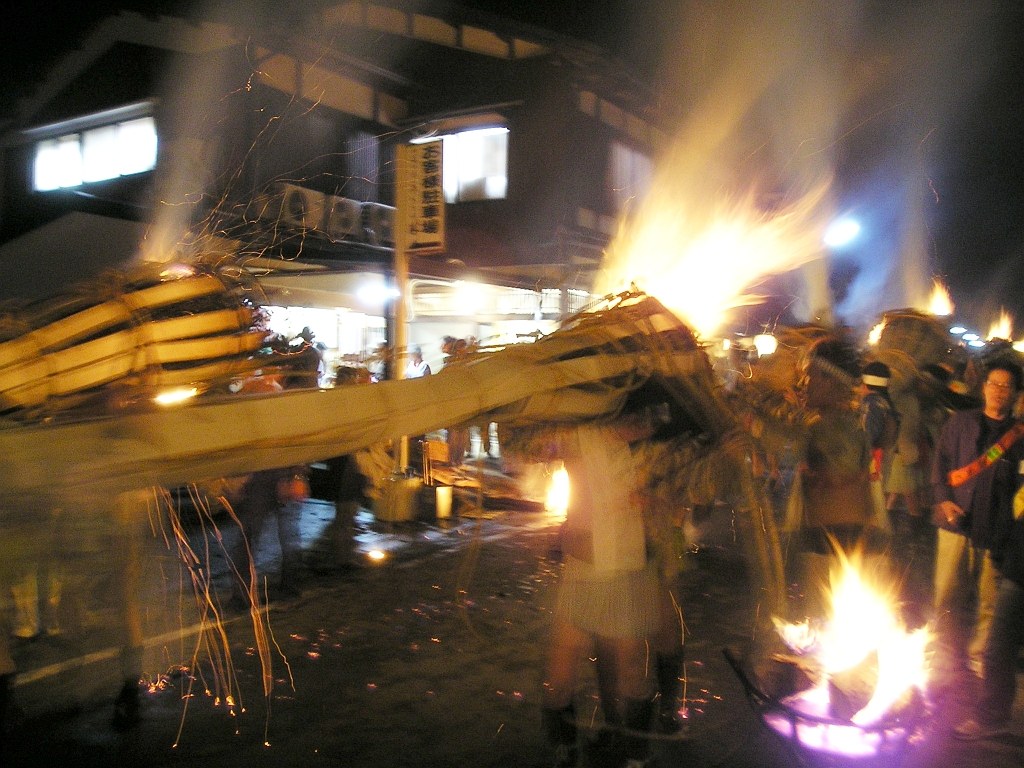
Kurama Onsen is essentially a single beloved bathhouse: an indoor bath and a large open-air rotenburo looking up at the forested slopes, fed by a simple sulphur spring. The village itself is a temple approach — a lane of soba shops and inns below Kurama-dera, the mountain temple where the warrior Minamoto no Yoshitsune is said to have trained under the tengu, and where the Kurama Fire Festival fills the street with torches each October.
Most visitors make it a day trip: train to the end of the Eizan line, the temple or the mountain trail over the ridge to the Kibune shrines, then down to the bath before the shuttle back to Kurama Station. The bathhouse sells day entry with towel rental, which makes it one of the easiest onsen experiences in Kyoto.
A cold spring, carefully heated
Kurama's water is a simple hydrogen-sulphide spring that emerges naturally on the grounds at only about 15 °C, so it is heated before bathing — a cold spring (reisen) rather than a steaming source. Local tradition traces the spring to the late Meiji era, when water was found welling up in a tea field; the inn that grew around it served Kyoto cooking and drew visitors down from Kurama-dera for over a century.
The bathhouse closed in 2021, during the pandemic and the storm-related suspension of the Eizan Kurama Line, and its operating company was dissolved. A rebuilding project under a new operator began in the autumn of 2023 with large-scale repairs; the planned reopening was postponed several times as further boiler and building work was found necessary. Check the current status before you travel — the village, the temple and the mountain trail to Kibune are open regardless. Access is three minutes by shuttle bus, or about ten minutes on foot, from Kurama Station at the end of the Eizan line.
Additional sections above were translated and summarised from the Japanese Wikipedia article 「鞍馬温泉」, available under CC BY-SA 4.0.
Public bathhouse (recorded as onsen in OpenStreetMap) (1)
- Kurama Onsen くらま温泉
Official website · OpenStreetMap
Gallery

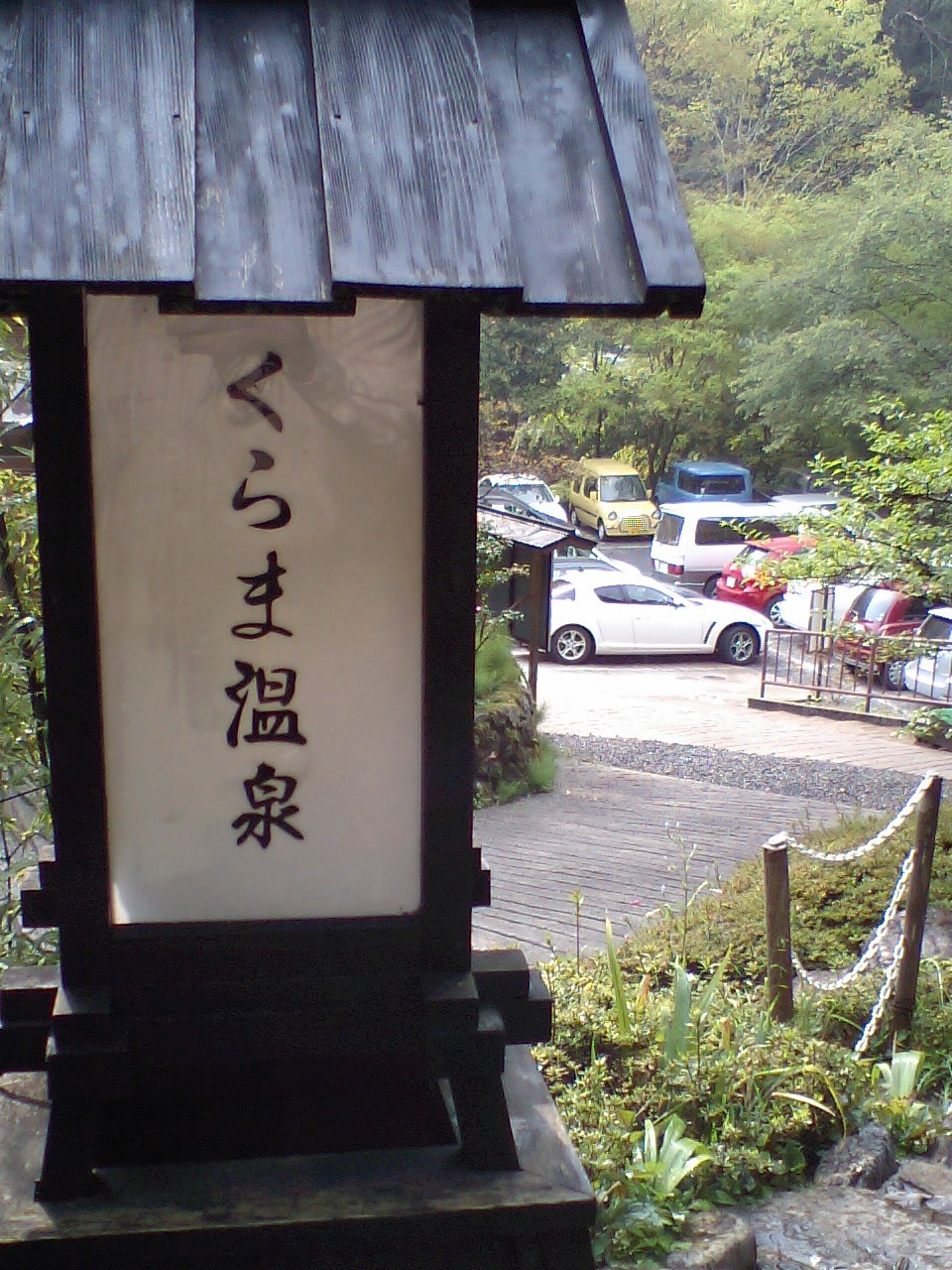



Names, types and websites are shown exactly as recorded in OpenStreetMap. A bathhouse whose spring type is not recorded is labelled as such — we do not guess. Before your first visit, read how to use an onsen.
More onsen towns
- Ogoto Onsen おごと温泉 — Across the mountain — Lake Biwa's shore springs in Otsu
- Arima Onsen 有馬温泉 — The other great spring behind a Kansai city (Kobe)
- Yunoyama Onsen 湯の山温泉 — East into Mie — the radium spring below Mount Gozaisho
- Dorogawa Onsen 洞川温泉 — Another sacred-mountain spring village, in the Nara hills
Keep exploring
- All onsen towns in Kansai — this town's region, town by town
- Browse by spring type — find towns by their water
- Browse by feature — day trips, snow-view baths, free communal baths and more