Home › Onsen towns › Dorogawa Onsen
Dorogawa Onsen 洞川温泉
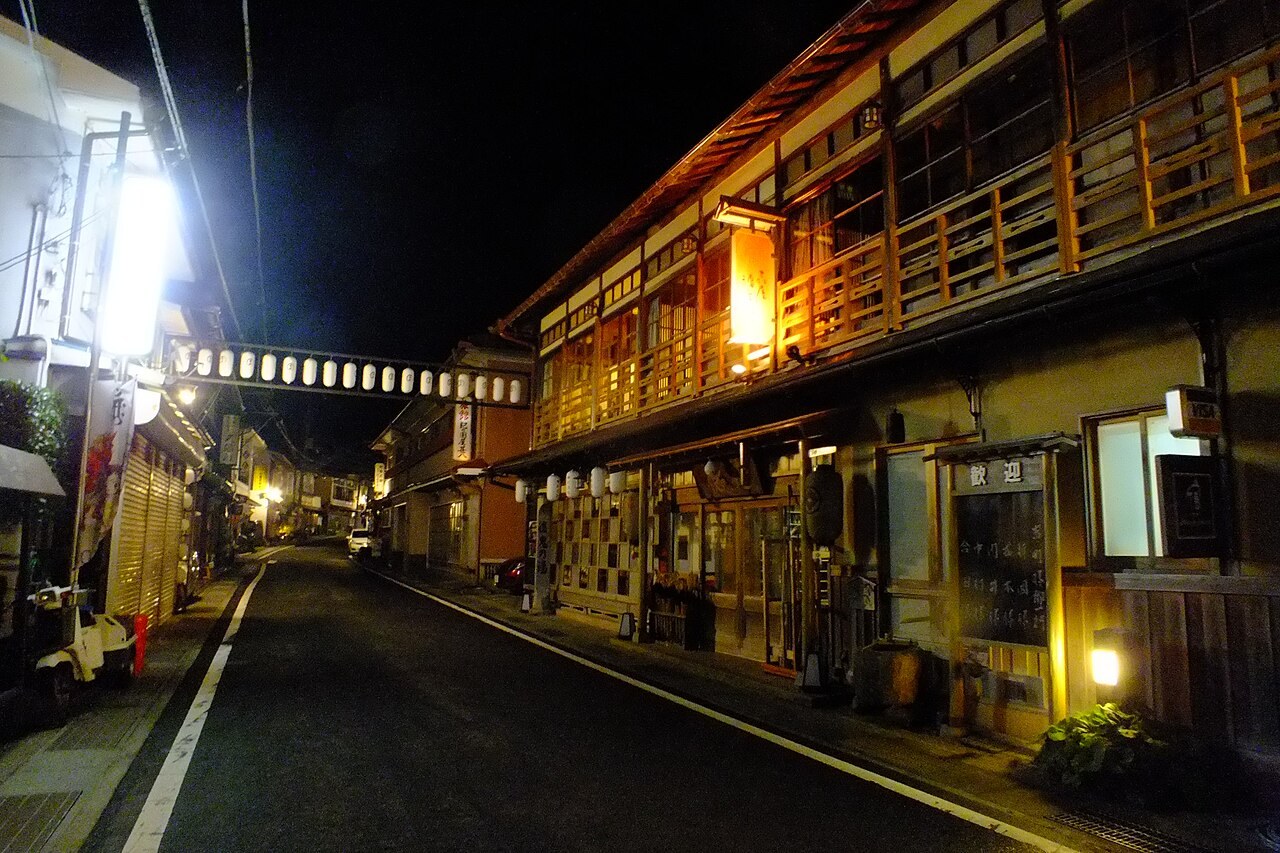
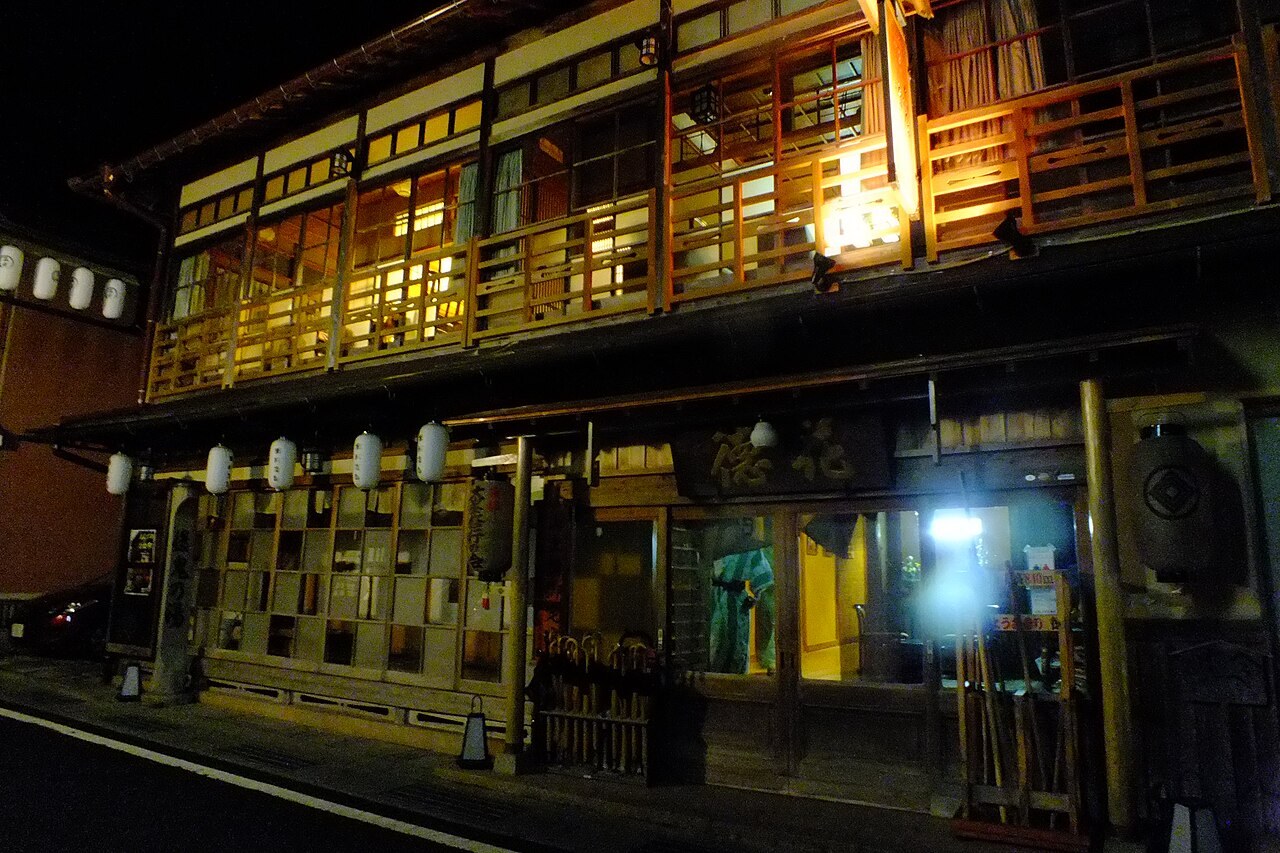
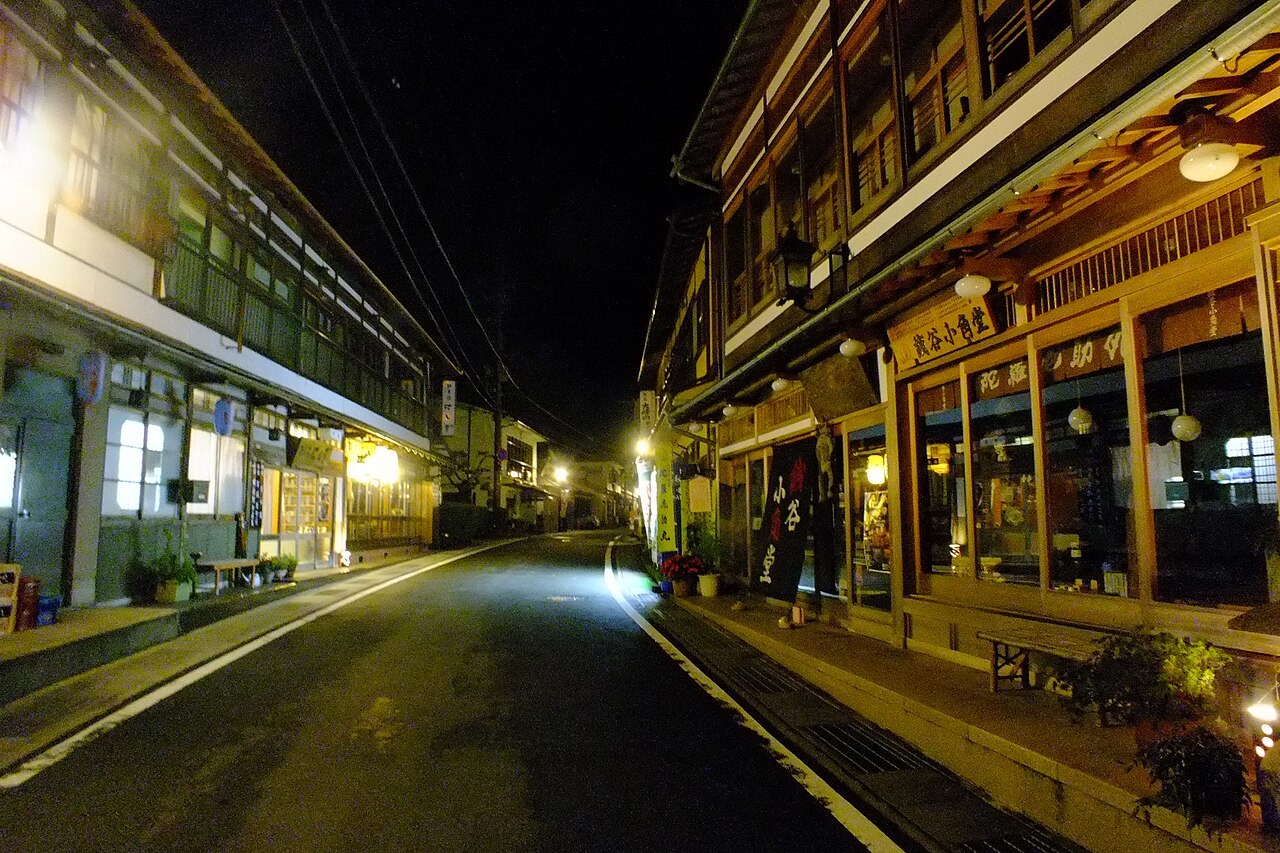
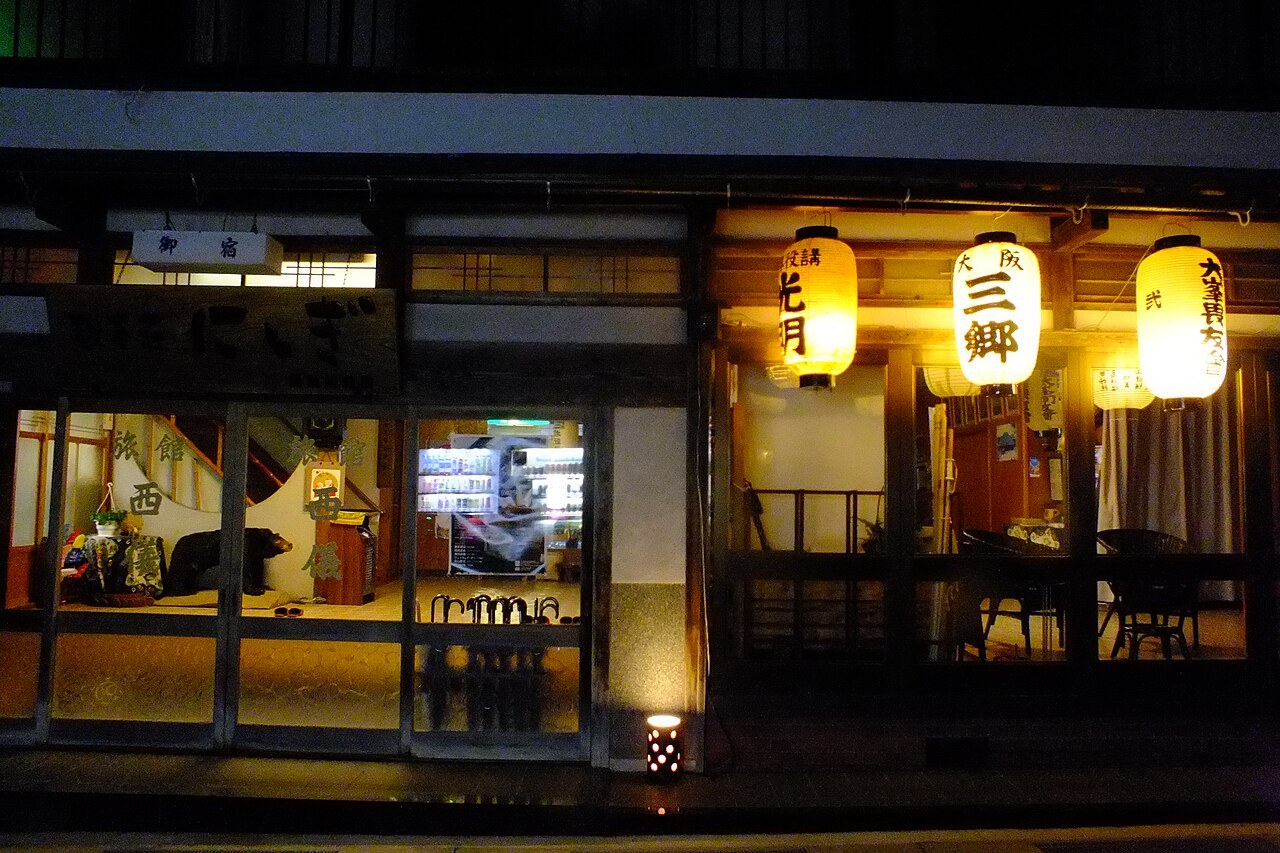
Dorogawa is a single lantern-lit lane of inns at 820 metres in the village of Tenkawa, Nara, reached by bus in about an hour from Shimoichiguchi Station. Its cool simple spring (26 °C, heated for bathing) has refreshed white-clad pilgrims climbing sacred Mount Ōmine for centuries. Below are the bathhouses, spring sources and onsen facilities recorded in OpenStreetMap within about 1.5 km of the town centre.
| Prefecture | Nara |
|---|---|
| Region | Kansai |
| Spring quality | Simple spring (cool source, heated for bathing) |
| Source temperature | About 26 °C at source |
| Nearest station | Shimoichiguchi (Kintetsu Yoshino Line), then about 1 hour by bus |
| From Tokyo | About 5 hours via Osaka / Nara |
| From Osaka | About 2 hours 30 minutes — Kintetsu to Shimoichiguchi + bus |
| Best season | Summer — the lane is a cool mountain retreat; the August Gion festival fills it with lanterns |
| Places listed here | 1 |
| Public bathhouses | 1 |
| Hot spring sources | 0 |
Spring quality, source temperatures and access routes are drawn from the Japanese Wikipedia articles on each town (CC BY-SA 4.0) and the English articles credited below. Journey times are typical scheduled times for the routes named, rounded — always check current timetables before you travel.
About Dorogawa Onsen
Dorogawa Onsen (洞川温泉) is a hot-spring settlement in Dorogawa, Tenkawa Village, Yoshino District, Nara Prefecture, in what was once Yamato Province. Its water is a simple spring from a cool source, about 26 °C, heated for bathing. The village is the pilgrims’ spring at the gate of Mount Omine, the sacred mountain of the Yoshino range.
Dorogawa is reached from Shimoichiguchi Station on the Kintetsu Yoshino Line, then about one hour by bus into the mountains: about two hours and thirty minutes from Osaka, and about five hours from Tokyo via Osaka or Nara.
The water: a simple spring from a cool 26 °C source
Dorogawa’s spring is classed as a simple spring, and its recorded source temperature is about 26 °C. Like the other cool sources in this guide, it is not a steaming volcanic spring: the water rises at roughly the temperature of a warm well and is heated by the bathhouses before bathing. In a high mountain village, that arrangement is the norm rather than the exception.
One public bathhouse is listed here, and the village is a single-lane resort rather than a town of many competing houses. The bathing is therefore simple to understand: one spring, one small settlement, and a lane of inns that exist because of the mountain above them.
The gate of Mount Omine: a pilgrims’ lane
This page’s title states Dorogawa’s role plainly: the pilgrims’ spring at the gate of Mount Omine. The settlement stands at the foot of the sacred mountain, and its lane has historically served the people who come for the mountain — a lodging and bathing place at the point where the road ends and the pilgrimage begins.
That origin explains the village’s scale and mood. Dorogawa is not a resort that grew for its own sake; it is a service village for a sacred peak, and the inns, the bathhouse and the lantern-lit lane all follow from that single purpose.
One of three baths: the village’s three-spring circuit
Within Tenkawa Village, Dorogawa does not stand alone. The Japanese record explains that together with Ten-no-kawa Onsen and Mizuhano-yu, the village’s medicinal bath centre, Dorogawa forms a three-bath circuit — a small tour of the village’s springs that visitors can make as a set.
For a traveller, that turns a single bath into a half-day’s gentle structure: Dorogawa’s own bathhouse, then the village’s other two waters. It is a modest circuit, in keeping with the place, but it is the recognised way the village presents its springs.
When to come, and how: a cool summer lane, an hour by bus
The listed best season is summer, when the lane serves as a cool mountain retreat above the Nara basin’s heat; in August the village’s Gion festival fills the lane with lanterns, the settlement’s most animated moment of the year. A pilgrims’ village at altitude earns its summer reputation honestly.
Access is by Nara Kotsu bus from Shimoichiguchi Station on the Kintetsu Yoshino Line, about one hour to the Dorogawa Onsen stop; drivers come by way of National Route 309 and the prefectural mountain roads. From Osaka the whole journey takes about two hours and thirty minutes, from Tokyo about five hours via Osaka or Nara — long enough that an overnight stay in the lane, rather than a day trip, is the natural shape of a visit.
The sections above were written for this guide from the facts in the Japanese Wikipedia article 「洞川温泉」 and the spring and access data summarised on this page, under CC BY-SA 4.0.
Public bathhouse (spring type not recorded in OpenStreetMap) (1)
- 洞川温泉センター
OpenStreetMap
Gallery
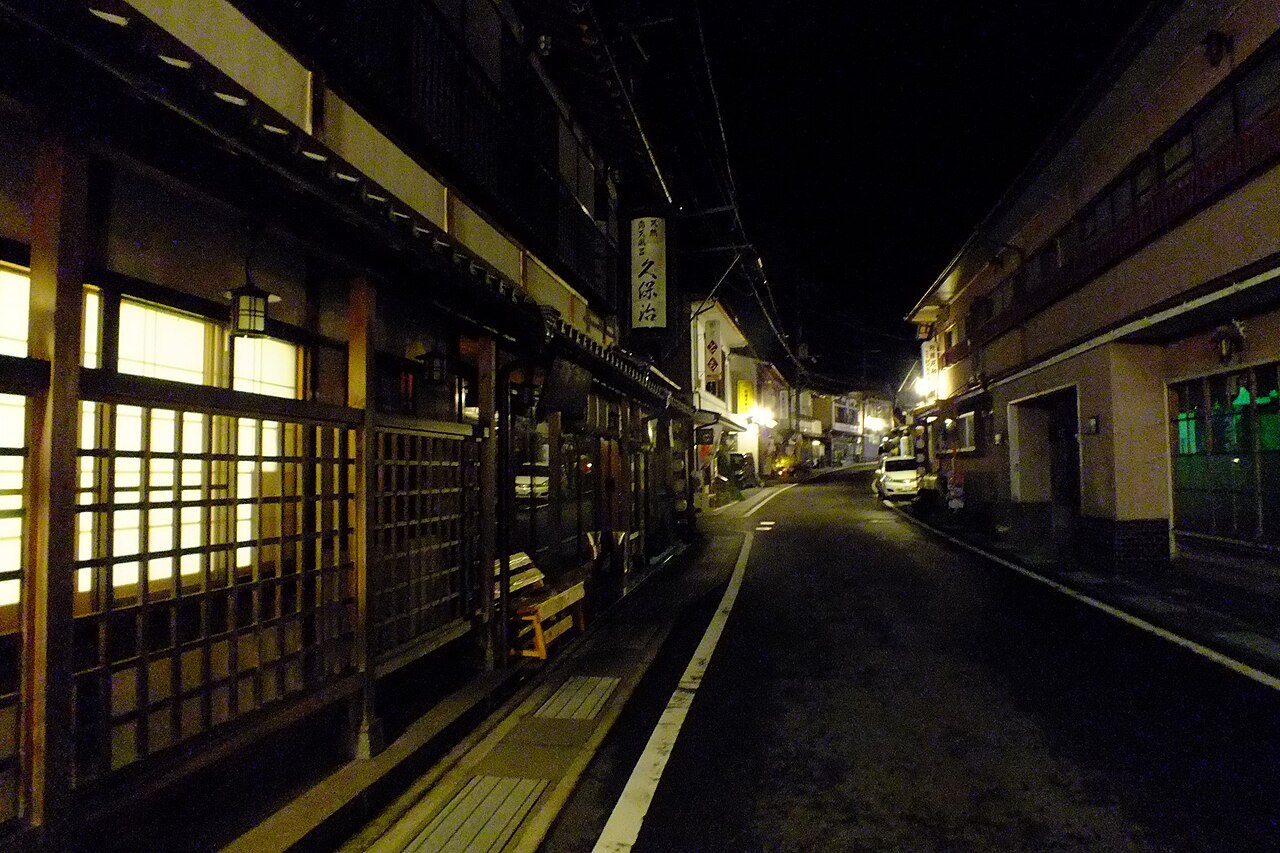

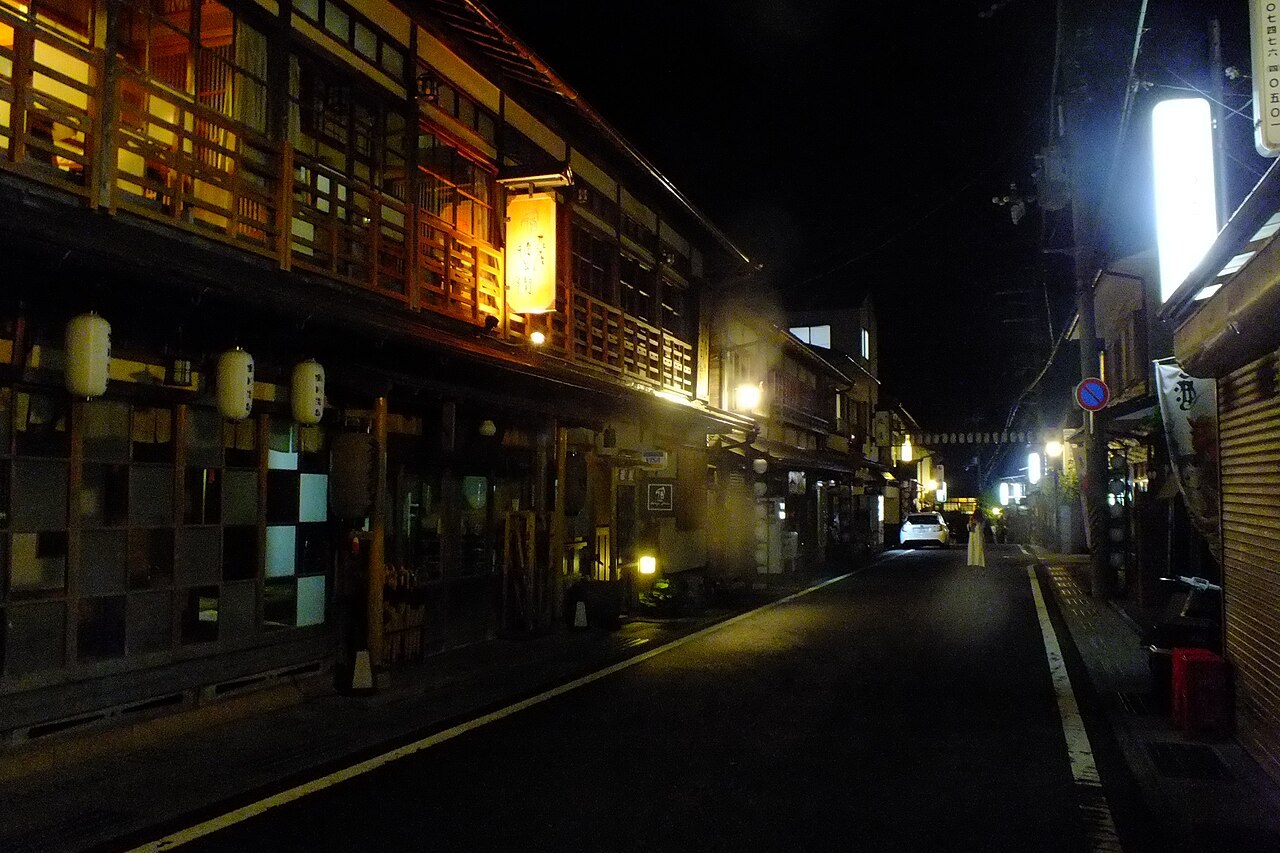



Names, types and websites are shown exactly as recorded in OpenStreetMap. A bathhouse whose spring type is not recorded is labelled as such — we do not guess. Before your first visit, read how to use an onsen.
More onsen towns
- Kurama Onsen 鞍馬温泉 — Another sacred-mountain spring behind an old capital
- Inunakiyama Onsen 犬鳴山温泉 — Down the same Kii mountains — Osaka's Shugendo spring
- Iya Onsen 祖谷温泉 — Another deep-mountain valley of pilgrims and vines
- Arima Onsen 有馬温泉 — Down to the city hills — Kobe's ancient two-water town
Keep exploring
- All onsen towns in Kansai — this town's region, town by town
- Browse by spring type — find towns by their water
- Browse by feature — day trips, snow-view baths, free communal baths and more