Home › Onsen towns › Inunakiyama Onsen
Inunakiyama Onsen 犬鳴山温泉
Inunakiyama is Osaka's mountain spring — a small village of inns along a forested gorge in Izumisano, about 25 minutes by bus from Hineno Station. Its sodium bicarbonate water rises in a valley long tied to Shugendō mountain asceticism, minutes from Kansai Airport yet deep in green hills. Below are the bathhouses, spring sources and onsen facilities recorded in OpenStreetMap within about 2 km of the town centre.
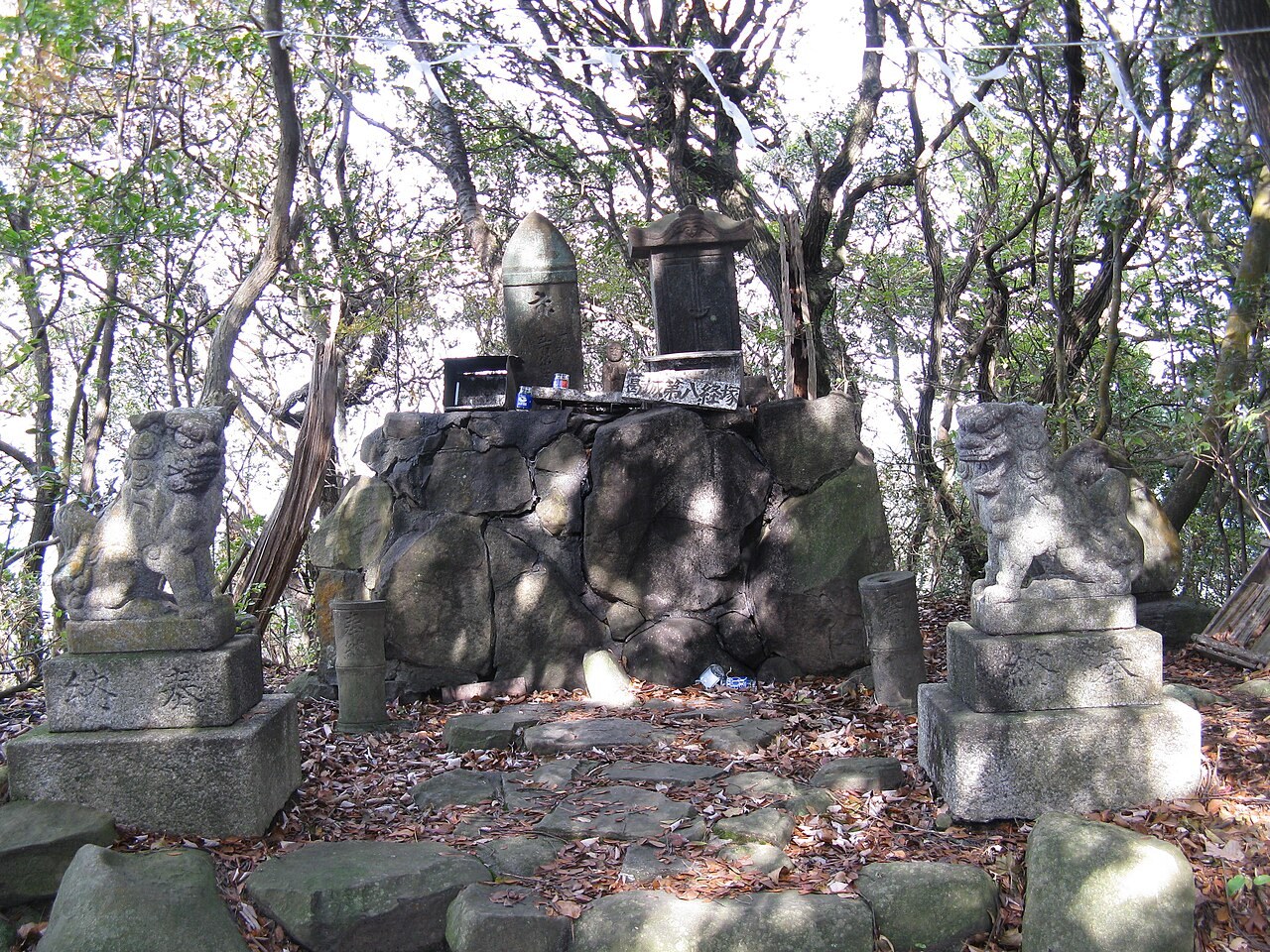
| Prefecture | Osaka |
|---|---|
| Region | Kansai |
| Spring quality | Sodium bicarbonate spring (mildly alkaline) |
| Source temperature | Varies by source in the valley inns |
| Nearest station | Hineno (JR Hanwa Line), then bus to the Inunakiyama stop at the village entrance |
| From Tokyo | About 4 hours — fly to Kansai Airport + train and bus, or Shinkansen via Osaka |
| From Osaka | About 1 hour — JR Hanwa Line to Hineno + bus, or by car |
| Best season | Spring fresh green and autumn leaves in the gorge; a quiet escape in every season |
| Places listed here | 2 |
| Public bathhouses | 2 |
| Hot spring sources | 0 |
Spring quality, source temperatures and access routes are drawn from the Japanese Wikipedia articles on each town (CC BY-SA 4.0) and the English articles credited below. Journey times are typical scheduled times for the routes named, rounded — always check current timetables before you travel.
About Inunakiyama Onsen
Inunakiyama Onsen (犬鳴山温泉) is a small mountain spring village in Izumisano, Osaka Prefecture, tucked into the Inunaki valley along Prefectural Route 62, south-east of Kansai Airport and close to the Wakayama border. Its water is a sodium bicarbonate spring, mildly alkaline, with temperatures that vary by source among the valley inns. For a prefecture famous as a city of public bathhouses, this quiet valley is something rare: a genuine onsen village of inns in the hills.
The village entrance is the Inunakiyama bus stop, reached by bus from Hineno Station on the JR Hanwa Line. From central Osaka the whole journey takes about an hour, which makes Inunakiyama one of the most accessible true mountain springs in Japan — a valley of cedars and river water at the end of a city train line and a short bus ride.
Getting there: an hour from Osaka, at the valley entrance
The classic approach is rail and bus: the JR Hanwa Line to Hineno Station, then a bus up into the valley to the Inunakiyama stop at the entrance to the village. The buses on this run are operated by Nankai Wing Bus and Wakayama Bus Naga on the Konokawa-Kumatori line, and the spring village begins where the bus sets you down. By car, the village lies along Prefectural Route 62 in the mountains of Izumisano.
From further afield, the village’s position near Kansai International Airport works in the traveller’s favour. From Tokyo, allow about 4 hours in total — flying to Kansai Airport and continuing by train and bus, or taking the Shinkansen via Osaka and the Hanwa Line. From Osaka itself it is about an hour by train and bus, or by car, making Inunakiyama an easy overnight trip out of the city.
Seasons in the gorge: fresh green, autumn colour, quiet
The recorded best seasons are spring, for the fresh green that fills the gorge, and autumn, for the leaves along the river — the two moments when the valley’s wooded slopes show themselves at their best. But the table’s third note is the telling one: Inunakiyama is a quiet escape in every season, a place whose appeal is the absence of crowds rather than any single event or festival.
A visit is therefore simple to plan. Ride up from Hineno, bathe in the mildly alkaline bicarbonate water, walk as far into the gorge as your legs and the daylight allow, and eat and sleep in the valley. In spring and autumn the scenery leads; in summer the shade and the river cool the hills; in winter the steam rises off the outdoor baths into cold mountain air. The village changes its dress, never its pace.
The sections above were written for this guide from the facts in the Japanese Wikipedia article 「犬鳴山温泉」 and the spring and access data summarised on this page, under CC BY-SA 4.0.
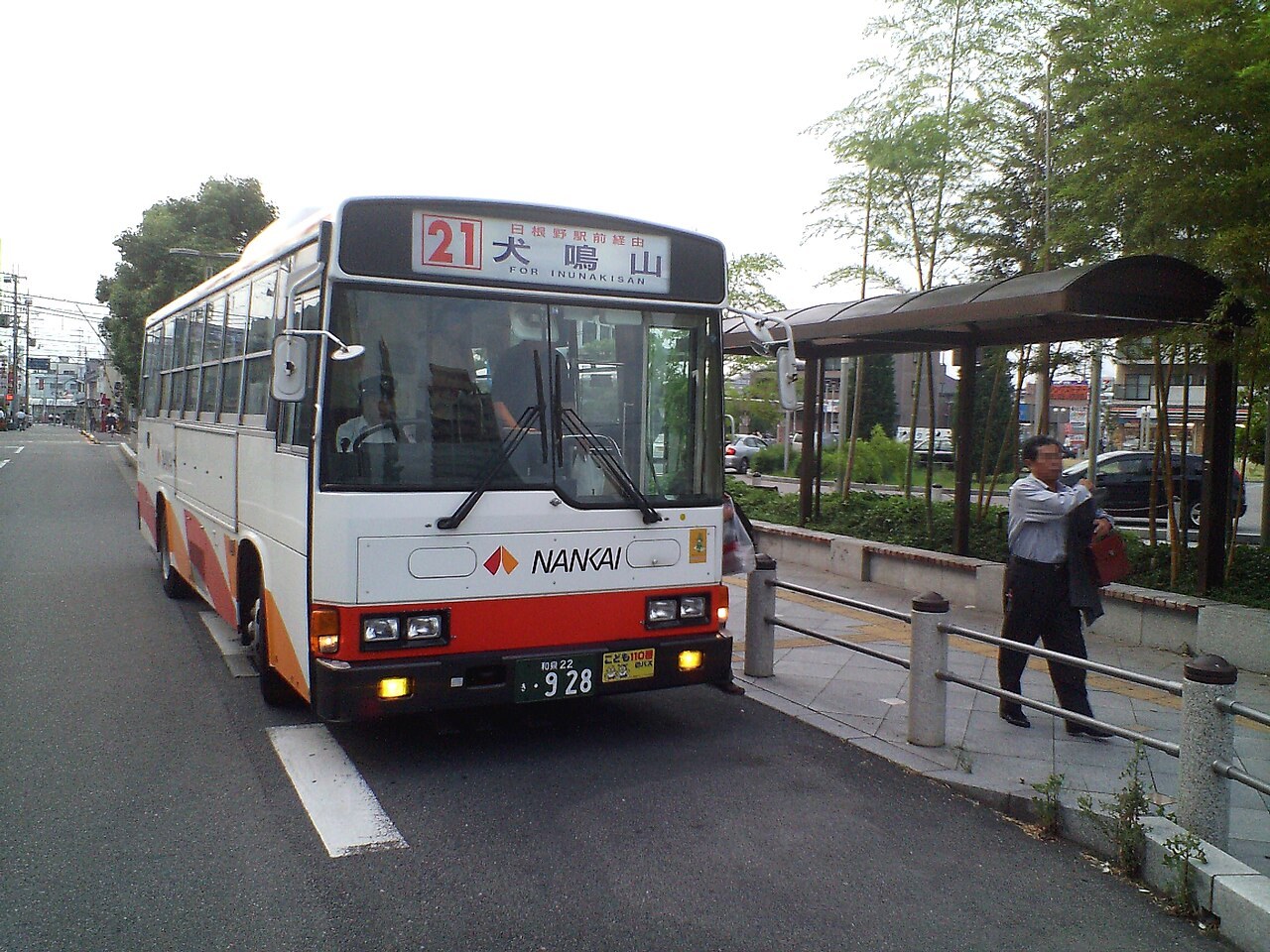
The Shugendo valley
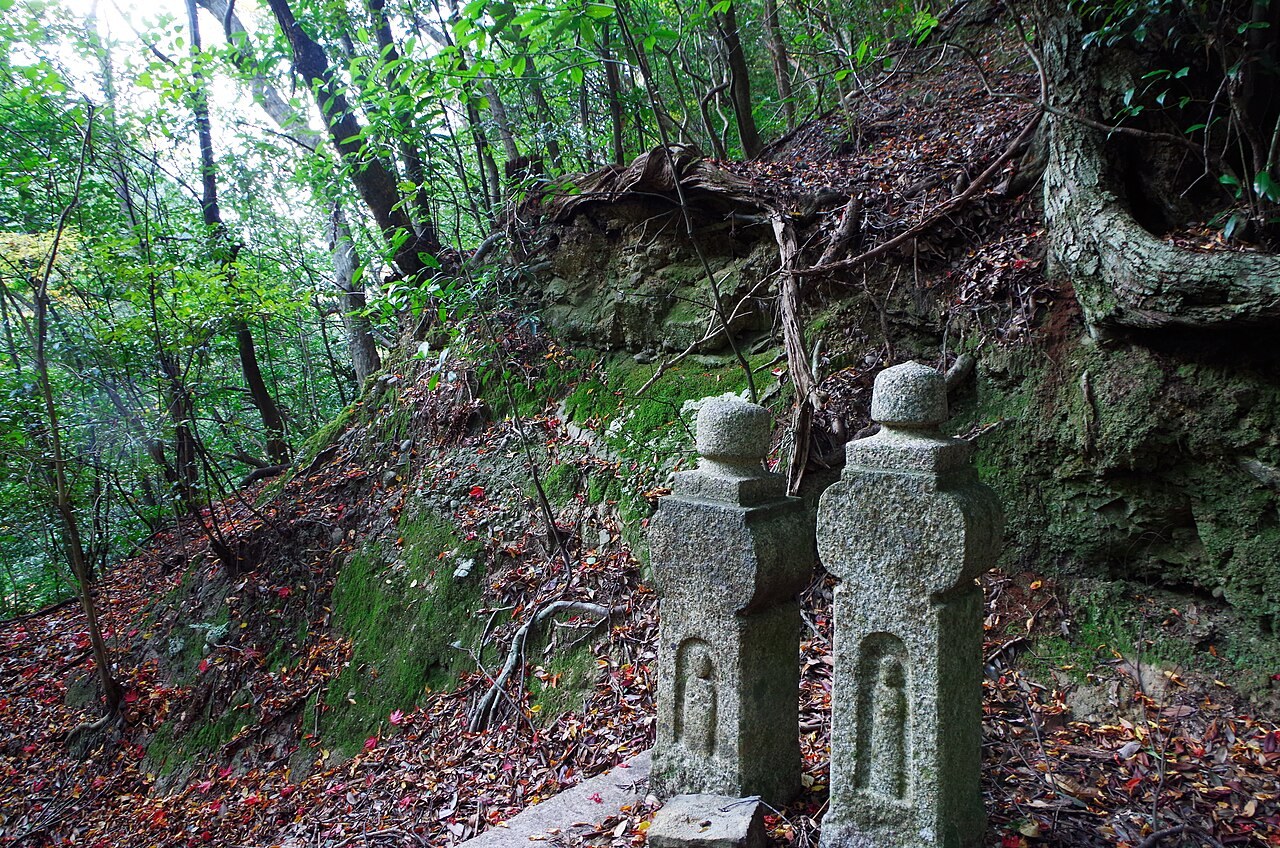
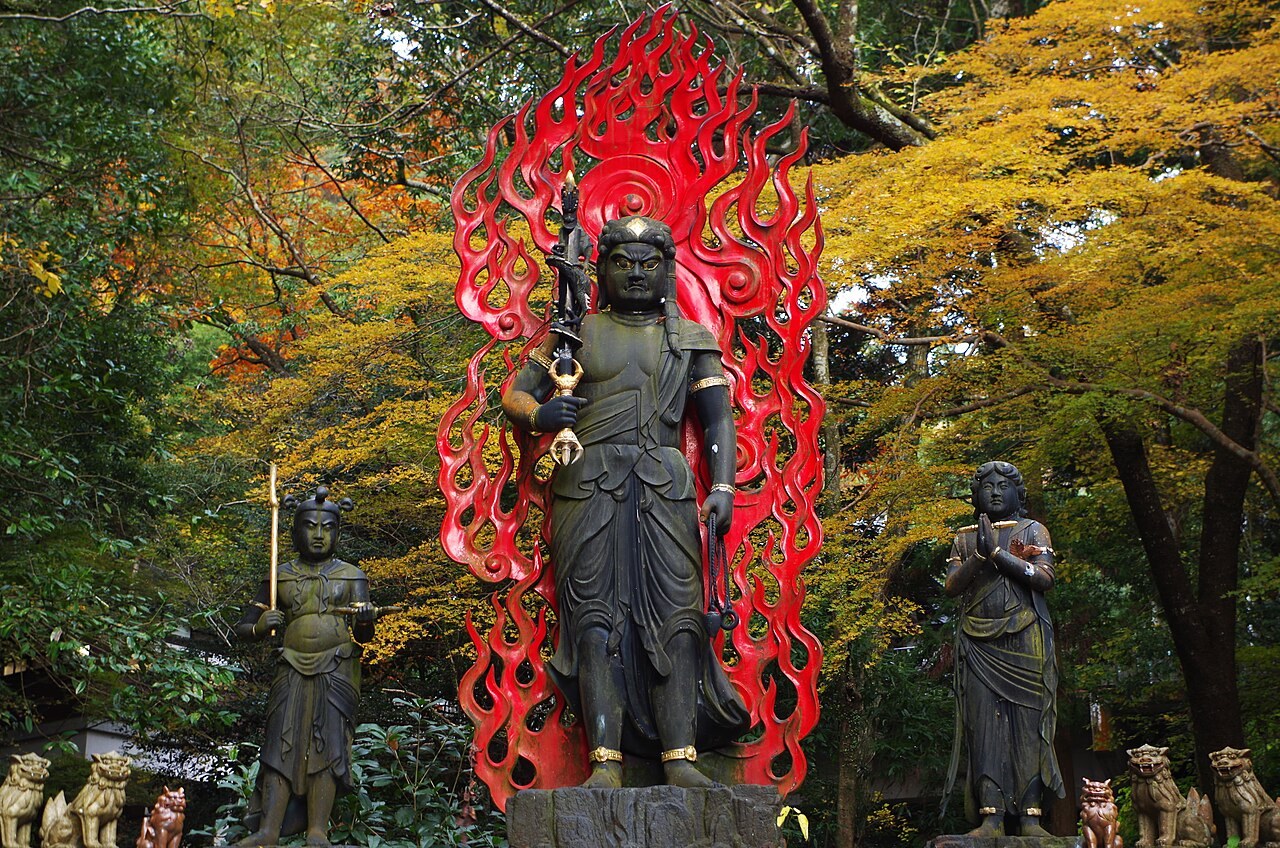
The Inunaki valley is old ascetic country: the mountain above the springs is a Shugendō training ground said to have been opened in the 7th century, and the approach passes Shippōryū-ji temple between cedars and waterfalls. The legend behind the name tells of a hunter's dog that barked without stopping at an unseen danger and was struck down — and the spring village below, a line of a few inns along the Inunaki River, took the name Inunakiyama, 'dog-howling mountain'.
Osaka is a city of sento bathhouses rather than spring towns, which makes this small valley unique in the prefecture: a genuine onsen village of ryokan with bicarbonate water, close enough to Kansai Airport that travellers use it as a first or last night in Japan. Day bathing is offered by several inns; the gorge trail to the temple and its waterfall continues above the baths.
Osaka's only onsen village
Inunakiyama is the only onsen village in Osaka Prefecture: three inns (one of them not currently supplied with spring water) stand along the upper Kashii River in the mountains of Izumisano. The mountain itself was opened as a Shugendo ascetic training ground some 1,300 years ago, and its name — Dog-Bark Mountain — comes from a legend of a faithful dog dated to around 960; another tradition says wounded soldiers healed here in the age of the civil wars, though the village itself was developed after the Second World War.
The water is a sodium bicarbonate spring — a 'pure baking-soda spring' — emerging cold at 16–20 °C with a pH around 8.6–8.8, the kind of alkaline water associated with smooth skin. Despite the mountain setting it is one of the closest onsen in Japan to an international gateway: Kansai International Airport is nearby across the bay, and buses from Izumisano and Hineno stations reach the village in about twenty minutes.
Additional sections above were translated and summarised from the Japanese Wikipedia article 「犬鳴山温泉」, available under CC BY-SA 4.0.
Public bathhouse (spring type not recorded in OpenStreetMap) (2)
- 犬鳴山温泉;山乃湯
OpenStreetMap - 神通温泉
OpenStreetMap
Gallery
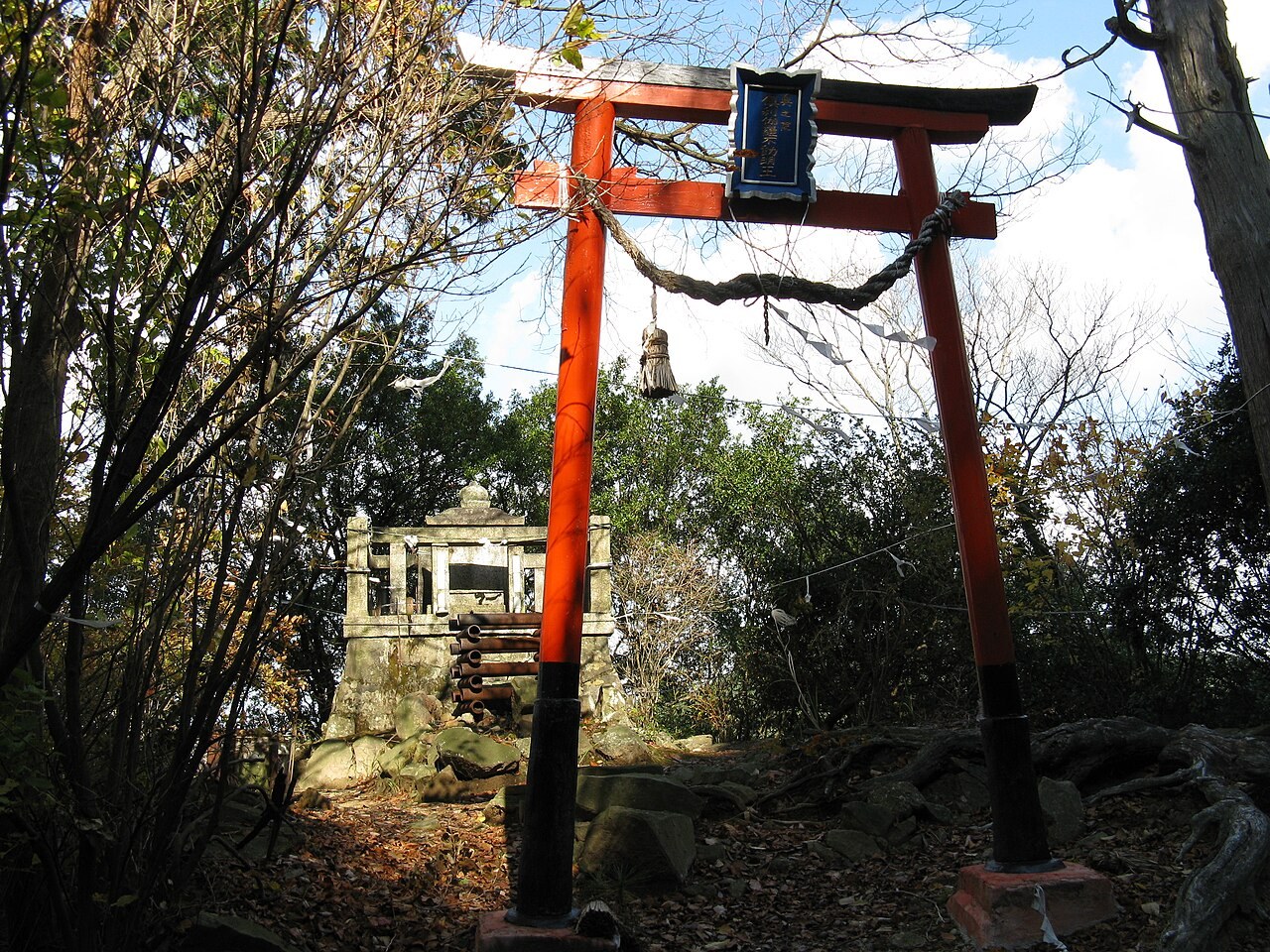

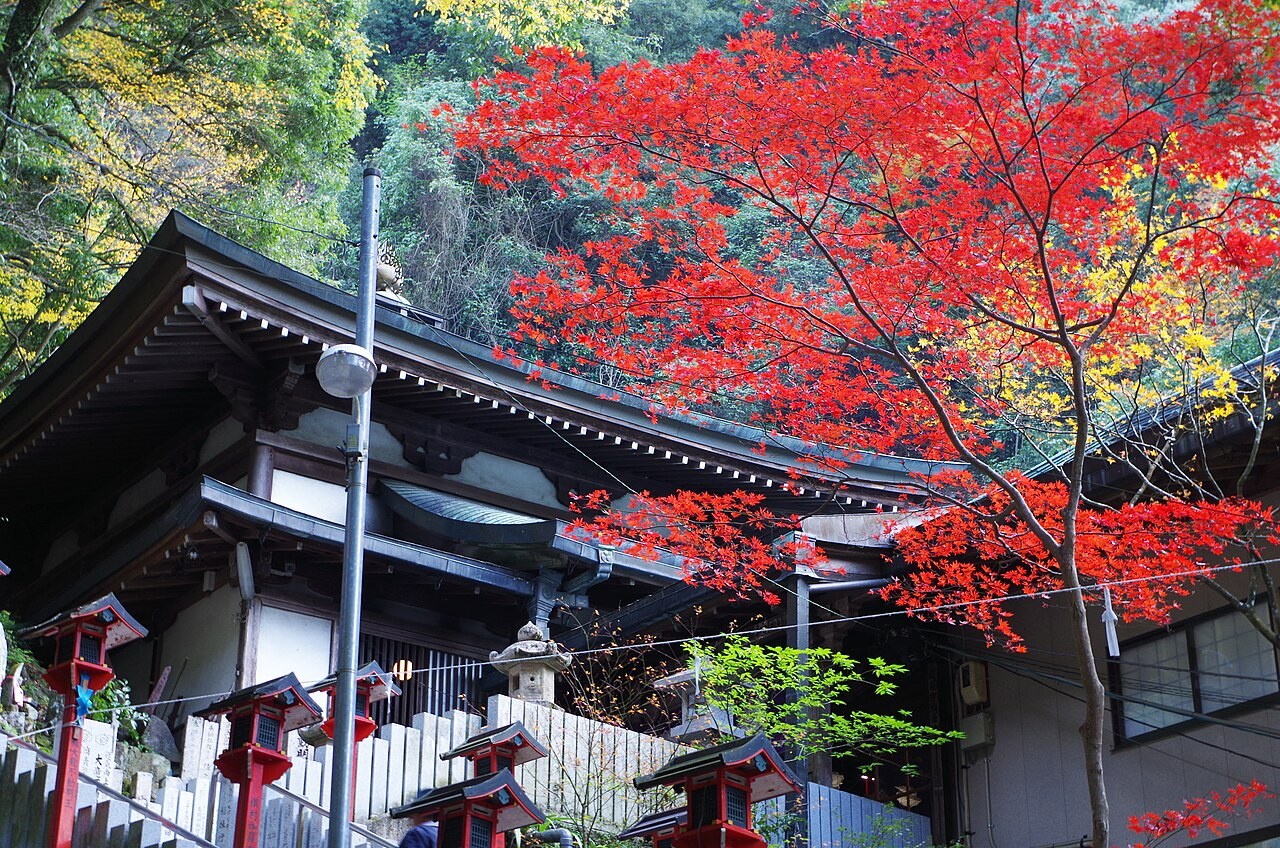



Names, types and websites are shown exactly as recorded in OpenStreetMap. A bathhouse whose spring type is not recorded is labelled as such — we do not guess. Before your first visit, read how to use an onsen.
More onsen towns
- Arima Onsen 有馬温泉 — The Kansai giant — Kobe's two ancient waters
- Kurama Onsen 鞍馬温泉 — Kyoto's mountain spring below the tengu mountain
- Dorogawa Onsen 洞川温泉 — Deeper into the Kii mountains — the pilgrims' lane at Mount Omine
- Ogoto Onsen おごと温泉 — North to Lake Biwa's shore springs
Keep exploring
- All onsen towns in Kansai — this town's region, town by town
- Browse by spring type — find towns by their water
- Browse by feature — day trips, snow-view baths, free communal baths and more