Home › Onsen towns › Miya Onsen
Miya Onsen 三谷温泉
Miya Onsen faces Mikawa Bay in Gamagori, Aichi, a short walk from Mikawa-Miya Station — a sodium-calcium chloride spring at about 35 °C that has drawn bathers since the Edo period, when it served the Tokaido road. Together with Katahara and Nishiura it forms the Gamagori Onsenkyo along one bay shore. Below are the bathhouses, spring sources and onsen facilities recorded in OpenStreetMap within about 3 km of the town centre.
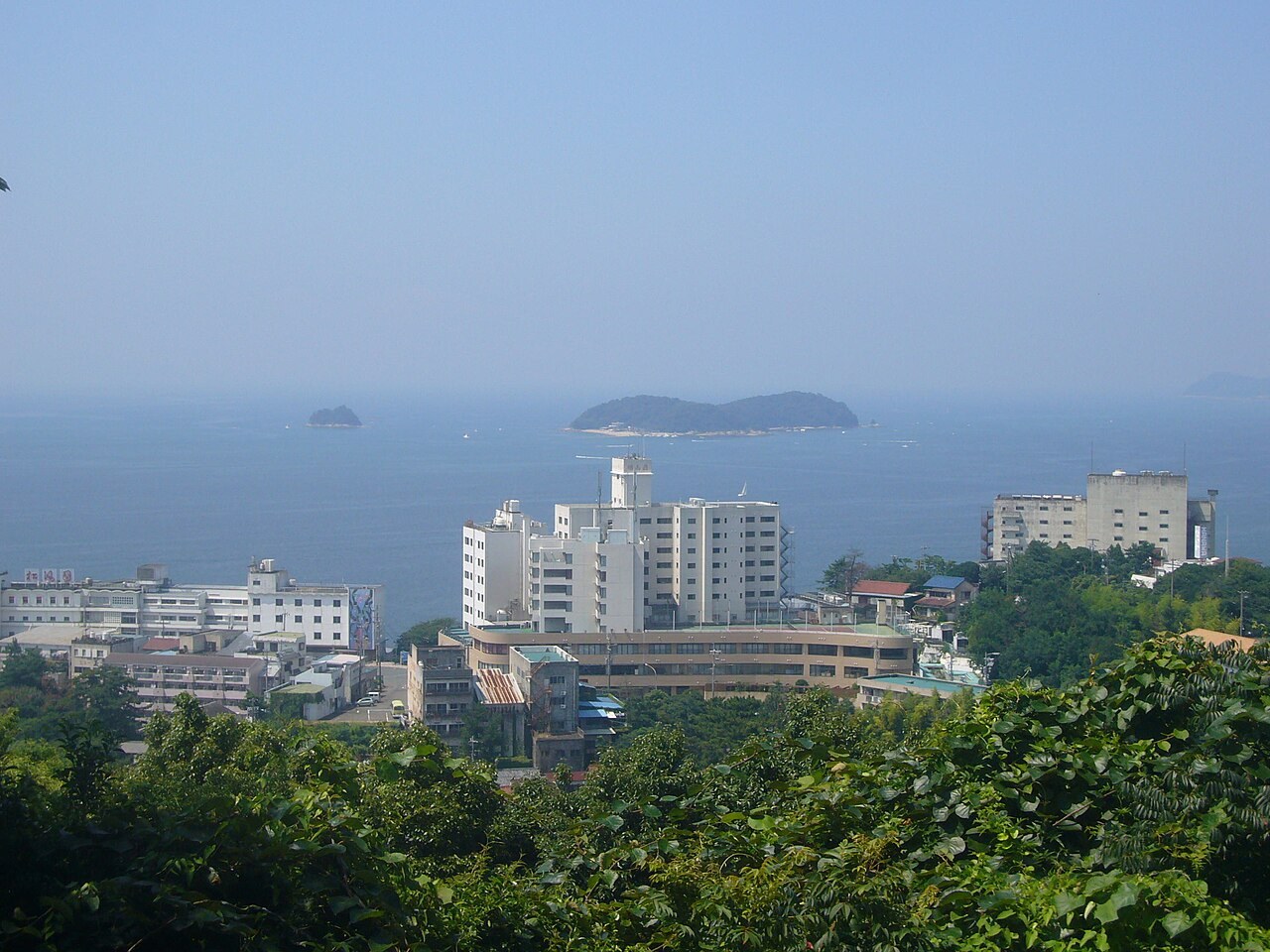
| Prefecture | Aichi |
|---|---|
| Region | Chubu |
| Spring quality | Sodium-calcium chloride spring |
| Source temperature | About 35 °C at source |
| Nearest station | Mikawa-Miya (JR Tōkaidō Main Line); Gamagōri Station serves the wider spring coast |
| From Tokyo | About 3 hours — Shinkansen to Toyohashi + JR Tōkaidō Line |
| From Osaka | About 2 hours — Shinkansen to Toyohashi + JR, or via Gamagori |
| Best season | Year-round — bay views and the Gamagori fireworks in summer |
| Places listed here | 3 |
| Public bathhouses | 2 |
| Hot spring sources | 1 |
Spring quality, source temperatures and access routes are drawn from the Japanese Wikipedia articles on each town (CC BY-SA 4.0) and the English articles credited below. Journey times are typical scheduled times for the routes named, rounded — always check current timetables before you travel.
About Miya Onsen
Miya Onsen (三谷温泉) is a hot-spring town in Miya Town, Gamagori City, Aichi Prefecture, on the inner shore of Mikawa Bay, in what was once Mikawa Province. Its water is a sodium-calcium chloride spring, emerging at about 35 °C. Among the springs of the Gamagori coast it is the oldest, counted one of Aichi Prefecture’s notable historic springs.
The town is served by Mikawa-Miya Station on the JR Tokaido Main Line, with Gamagori Station covering the wider spring coast: about three hours from Tokyo and about two hours from Osaka, both via the shinkansen to Toyohashi and the local line.
The water: a sodium-calcium chloride spring at about 35 °C
Miya’s water is a chloride spring of sodium-calcium type, and its recorded source temperature is about 35 °C — a mild source, closer to a warm spring than a steaming one. Chloride waters are the salt-bearing springs of coastal Japan, and a bay-side town drawing sodium-calcium chloride water fits that pattern exactly.
Three places are listed here: two public bathhouses and one hot-spring source, in a town the record counts at nine lodging houses. For its age and standing, Miya is a compact resort, and its bathing is correspondingly easy to survey in a single stay.
The oldest spring of the Gamagori coast
Gamagori City has four spring areas — Miya, Katahara, Nishiura and Gamagori itself — known together as the Gamagori hot-spring country. Within that family, the Japanese record is explicit: Miya has the longest history of them all, and it ranks as one of the prefecture’s distinguished old springs. The others grew up around it; Miya was there first.
The article also notes that the town developed as a resort for excursions and pleasure as well as for bathing. That dual character — an old spring that also became a seaside playground for the region — is the background to its present form on the bay.
Inside Mikawa Bay Quasi-National Park: a spring with a sea view
Miya stands at the inner end of Mikawa Bay, and the town lies within the designated area of Mikawa Bay Quasi-National Park; the record praises the scenery accordingly. The outlook here is not a gorge or a lake but a sheltered bay, and the resort’s axis runs between the spring street and the shore.
The listed best season is year-round, for the bay views, with the Gamagori fireworks in summer as the calendar’s peak. A seaside spring town can be visited in any month; summer simply adds the fireworks over the water to the evening after the bath.
Getting there: Toyohashi by shinkansen, then the Tokaido Line
From Tokyo, ride the shinkansen to Toyohashi and change to the JR Tokaido Main Line for Mikawa-Miya: about three hours. From Osaka the same pattern, shinkansen to Toyohashi and the JR line onward, takes about two hours, and the record also notes the approach via Gamagori, whose station serves the wider spring coast; a Meitetsu bus stop carries the resort’s name as well.
Mikawa-Miya is the town’s own station, so the arrival is simple. The choice is only at the planning stage: a direct local stop at the old spring, or Gamagori Station as the base for the whole four-spring coast.
The sections above were written for this guide from the facts in the Japanese Wikipedia article 「三谷温泉」 and the spring and access data summarised on this page, under CC BY-SA 4.0.
Public bathhouse (recorded as onsen in OpenStreetMap) (1)
- ラグーナの湯
OpenStreetMap
Public bathhouse (spring type not recorded in OpenStreetMap) (1)
- タルゴ ラグーナ
OpenStreetMap
Hot spring source (1)
- 三谷温泉園地
OpenStreetMap
Gallery
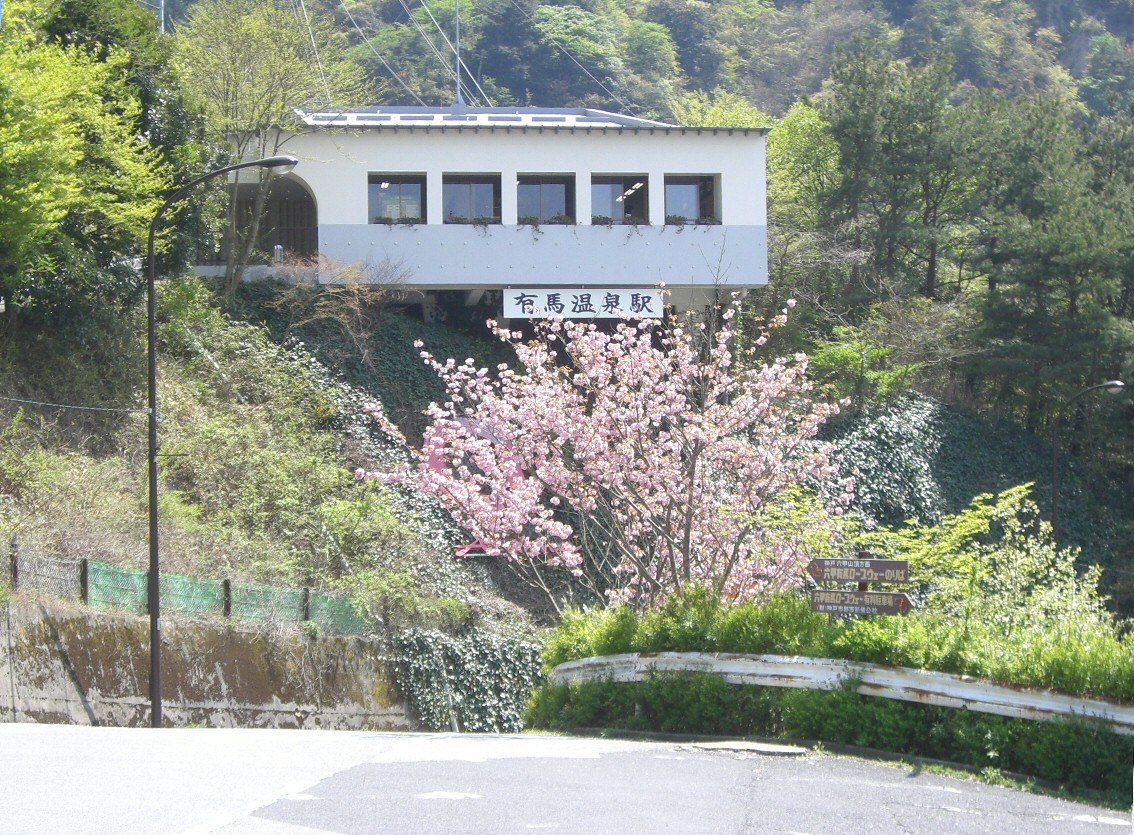

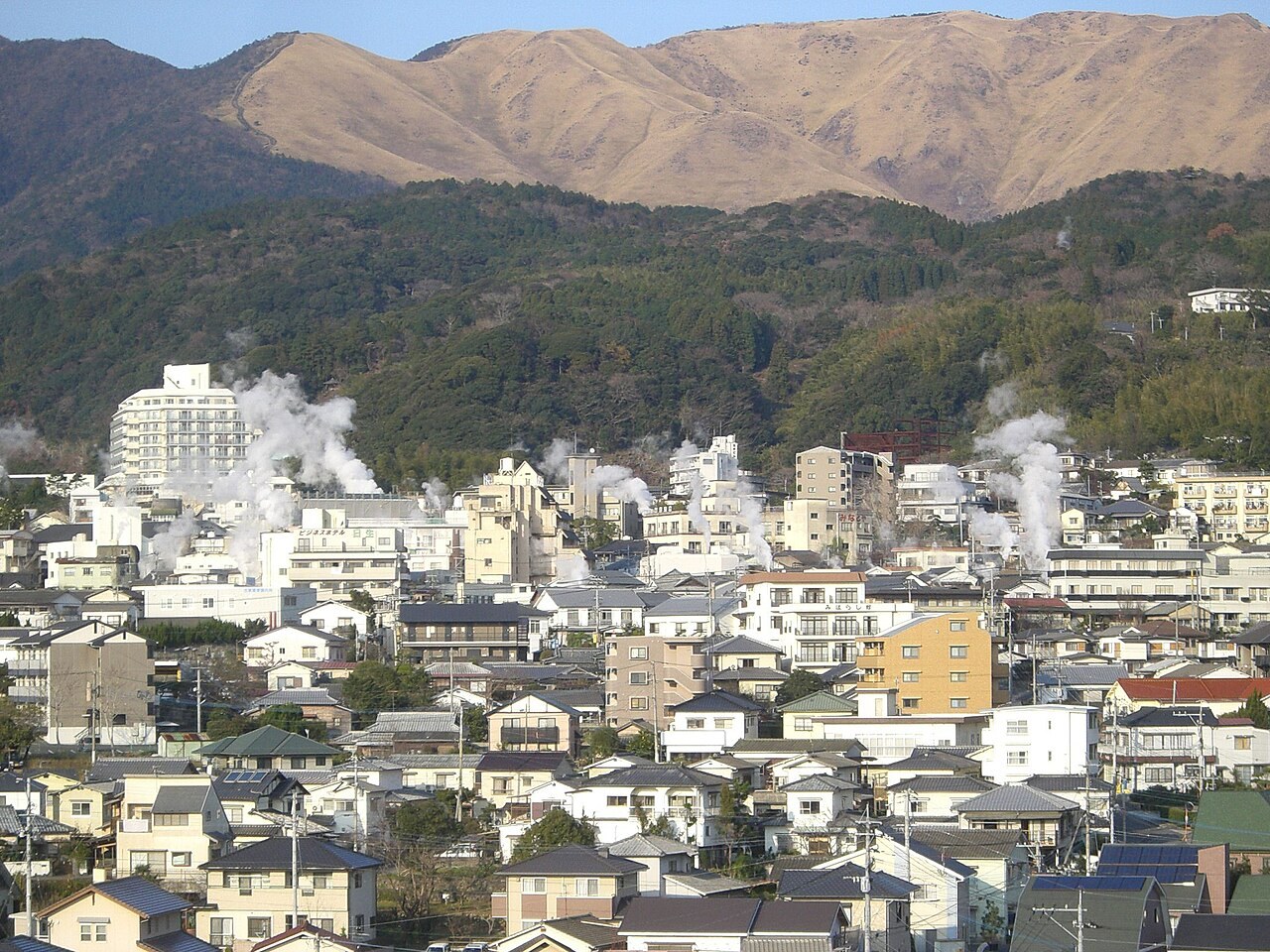

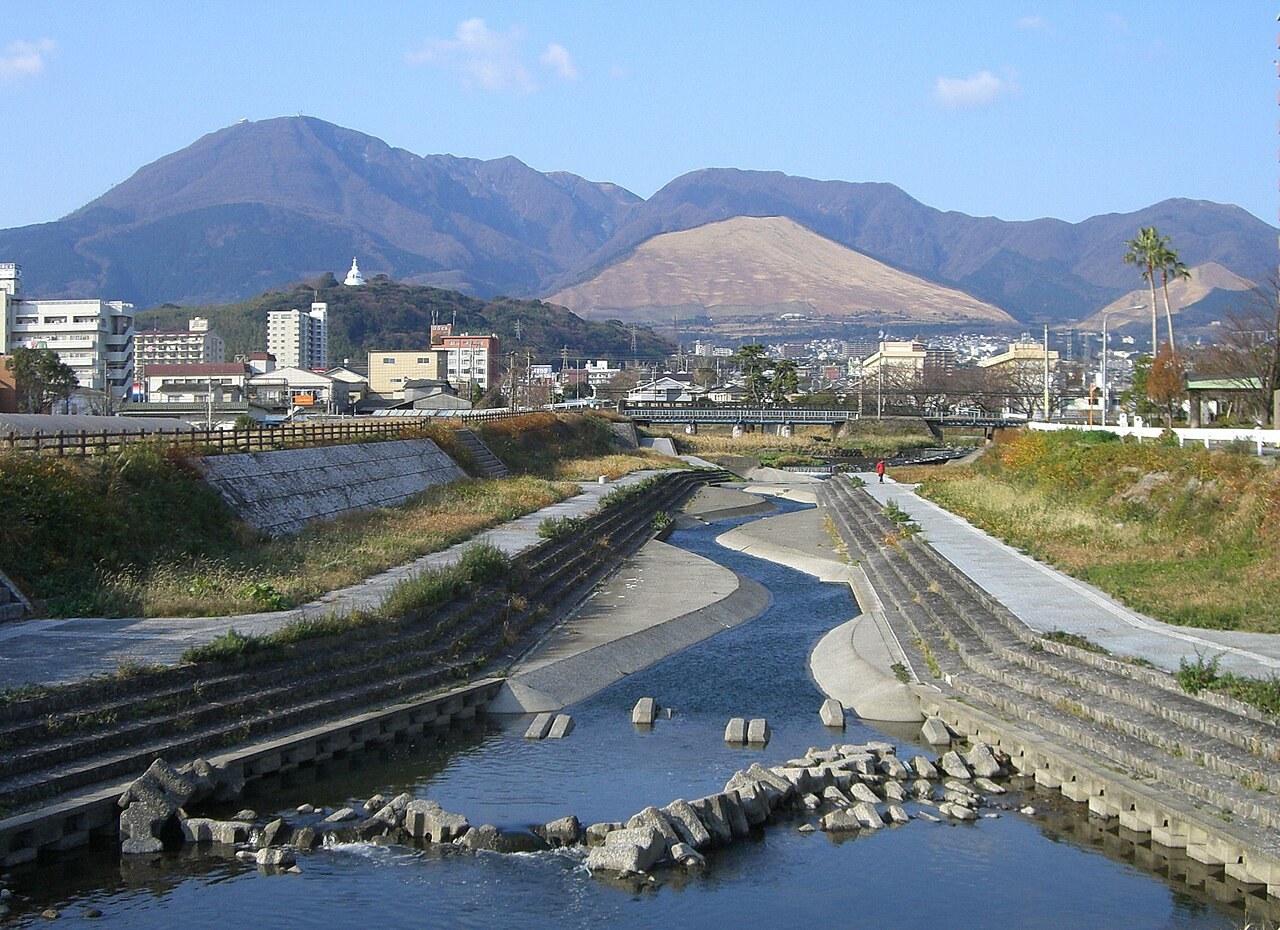

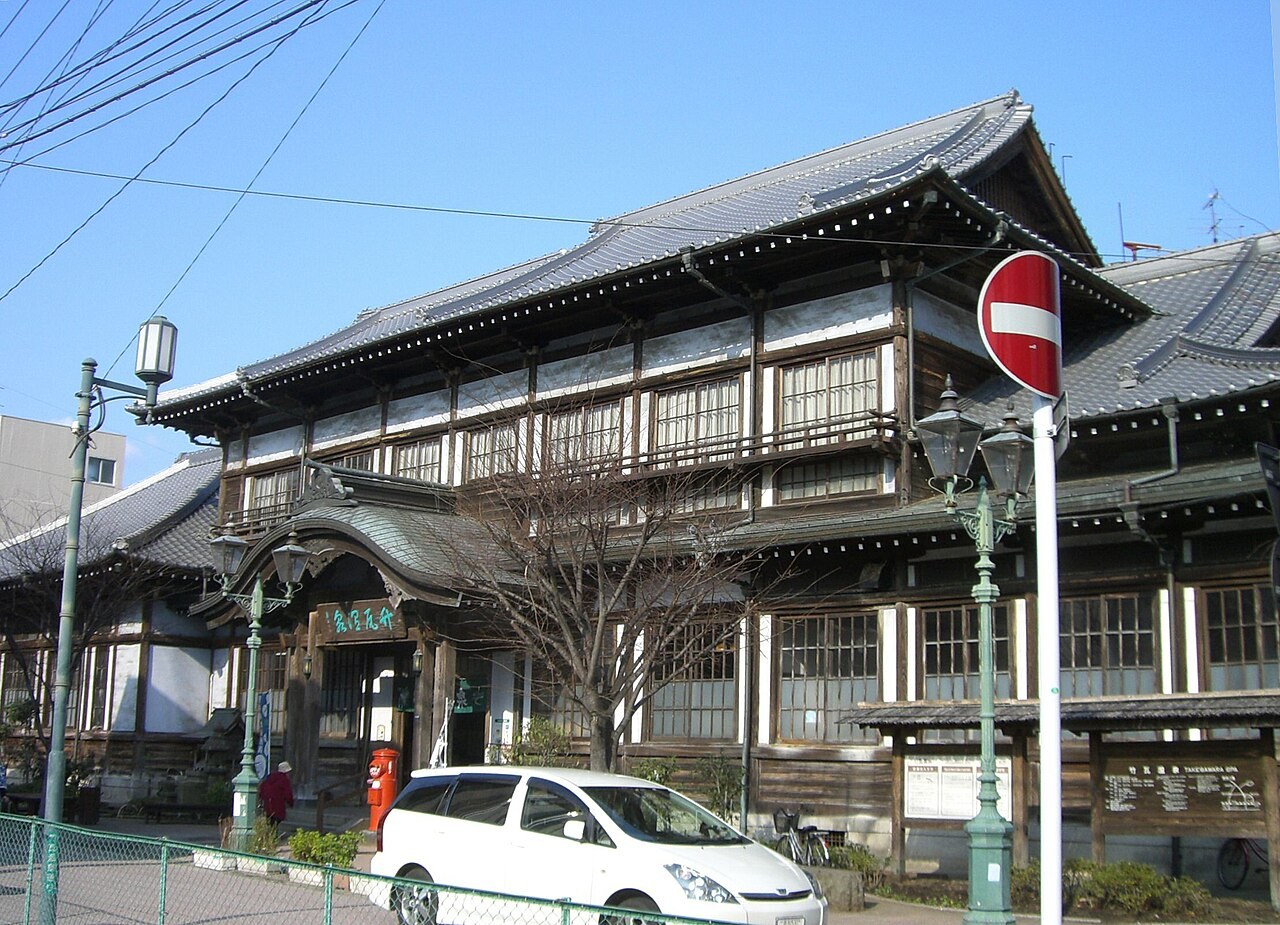

Names, types and websites are shown exactly as recorded in OpenStreetMap. A bathhouse whose spring type is not recorded is labelled as such — we do not guess. Before your first visit, read how to use an onsen.
More onsen towns
- Yunoyama Onsen 湯の山温泉 — North into the Mie mountains — the radium spring below Mount Gozaisho
- Gero Onsen 下呂温泉 — Inland to Gifu's famous alkaline river town
- Isawa Onsen 石和温泉 — Another town that grew around one generous spring field
- Atami Onsen 熱海温泉 — The same classic seaside-resort pattern, on Sagami Bay
Keep exploring
- All onsen towns in Chubu — this town's region, town by town
- Browse by spring type — find towns by their water
- Browse by feature — day trips, snow-view baths, free communal baths and more