Home › Onsen towns › Gero Onsen
Gero Onsen 下呂温泉
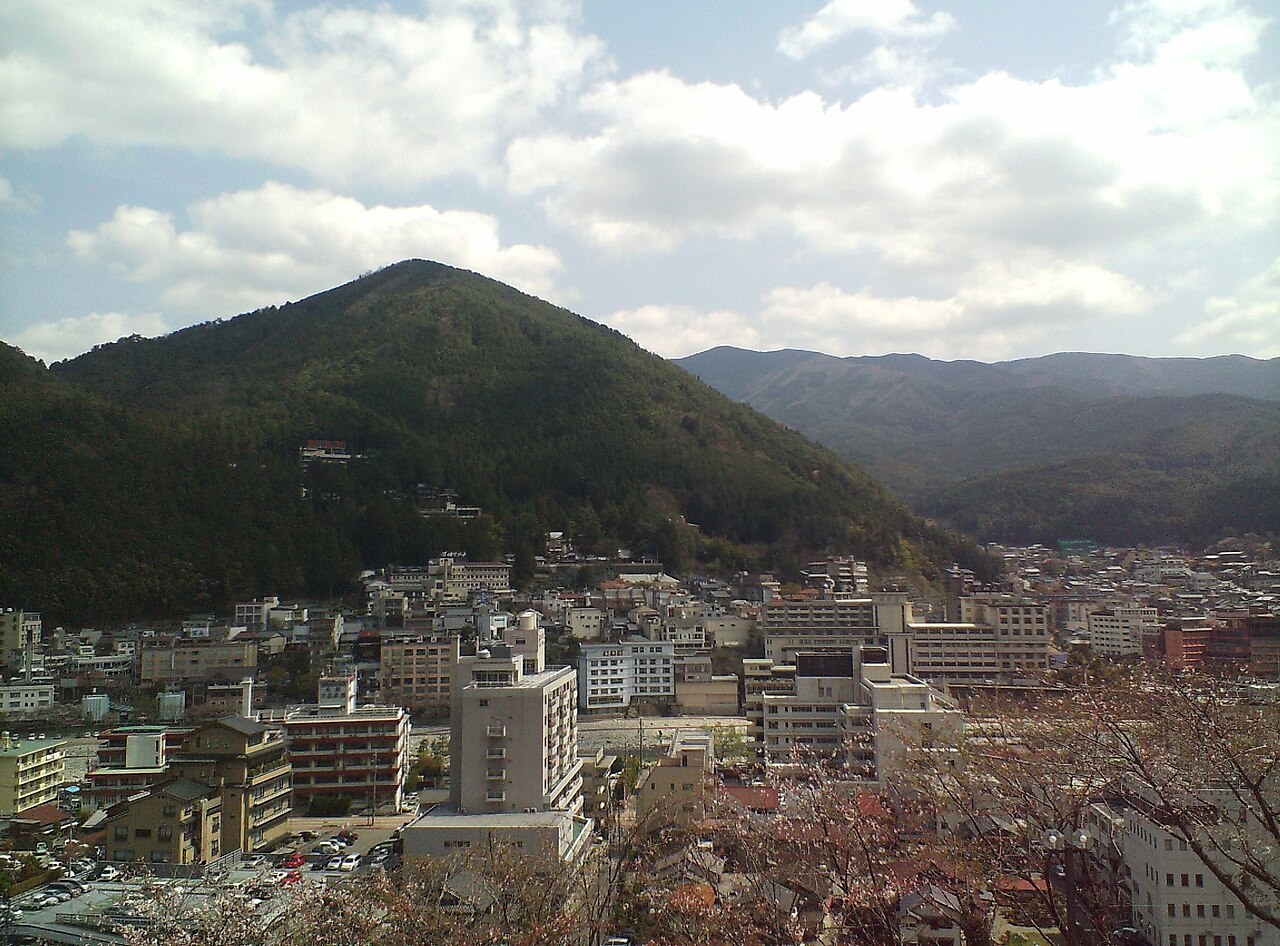
Gero's alkaline simple water — pH above 9 and famously silky on the skin — rises along the Hida River in Gifu, right at Gero Station on the Takayama Line. Named with Kusatsu and Arima among Japan's Three Famous Springs since the Muromachi period, it is a compact river town of three public baths and footbaths on every corner. Below are the bathhouses, spring sources and onsen facilities recorded in OpenStreetMap within about 2.5 km of the town centre.
| Prefecture | Gifu |
|---|---|
| Region | Chubu |
| Spring quality | Alkaline simple spring (pH 9 or higher; smooth, skin-softening water) |
| Source temperature | Up to 80.2 °C at source |
| Nearest station | Gero (JR Takayama Main Line) — the spring town starts at the station |
| From Tokyo | About 3 hours 30 minutes — Shinkansen to Nagoya + Hida limited express (about 1 h 30 min) |
| From Osaka | About 3 hours — Shinkansen to Nagoya + Hida limited express |
| Best season | Year-round — summer fireworks and the Gero festival in August; autumn leaves in the Hida hills |
| Places listed here | 13 |
| Public bathhouses | 12 |
| Hot spring sources | 1 |
Spring quality, source temperatures and access routes are drawn from the Japanese Wikipedia articles on each town (CC BY-SA 4.0) and the English articles credited below. Journey times are typical scheduled times for the routes named, rounded — always check current timetables before you travel.
About Gero Onsen
Gero Onsen (下呂温泉) is a hot spring town in Gero City, Gifu Prefecture, set along the Hida River in the hills of the old Hida province. Its water is an alkaline simple spring with a pH of 9 or higher, smooth water that leaves the skin feeling soft, emerging at up to 80.2 °C at source.
Gero is counted, with Kusatsu and Arima, among Japan's Three Famous Springs, a ranking with roots in the Muromachi and Edo periods. The town begins at its station, Gero on the JR Takayama Main Line, so the spring town starts the moment a visitor steps off the train.
The water: an alkaline simple spring at pH 9 or higher
Gero's water is classified as an alkaline simple spring, and the figures behind that label are striking. The pH is 9 or above, the highest source temperature is 80.2 °C, and the recorded flow is 4,100 litres per minute. In the classification given in the town's reference data, the water is alkaline and hypotonic. Simple springs carry relatively little dissolved mineral content, and in Gero's case the alkalinity is what bathers notice: the water feels smooth and is traditionally valued for the soft feel it leaves on the skin.
This guide lists 13 places for Gero, including 12 public bathhouses and 1 hot spring source. With that much water flowing, bathing is spread widely through the town, from inn baths to public bathhouses and the small footbaths and hand baths that appear in the facility listings, giving even a short visit several chances to try the water.
One of the Three Famous Springs, a title kept since the Edo period
Gero's reputation is old and formally recorded. In the Muromachi period, the scholar Wanri Shūkū named Gero, written at the time as Yushima, together with Arima Onsen and Kusatsu Onsen as the three famous springs. In the Edo period, the Confucian scholar Hayashi Razan likewise recorded the same three as the three famous springs under heaven. The modern grouping of Gero with Kusatsu and Arima as Japan's Three Famous Springs descends directly from those judgements.
For a visitor, the history explains the town's confidence and scale. Gero is not a newly discovered spring but one that has been ranked at the top of Japanese bathing for centuries, and its position along the Hida River, with the station at its centre, reflects a long-established resort that grew around a famous water rather than a town that later added a spring.
A river town that starts at the station
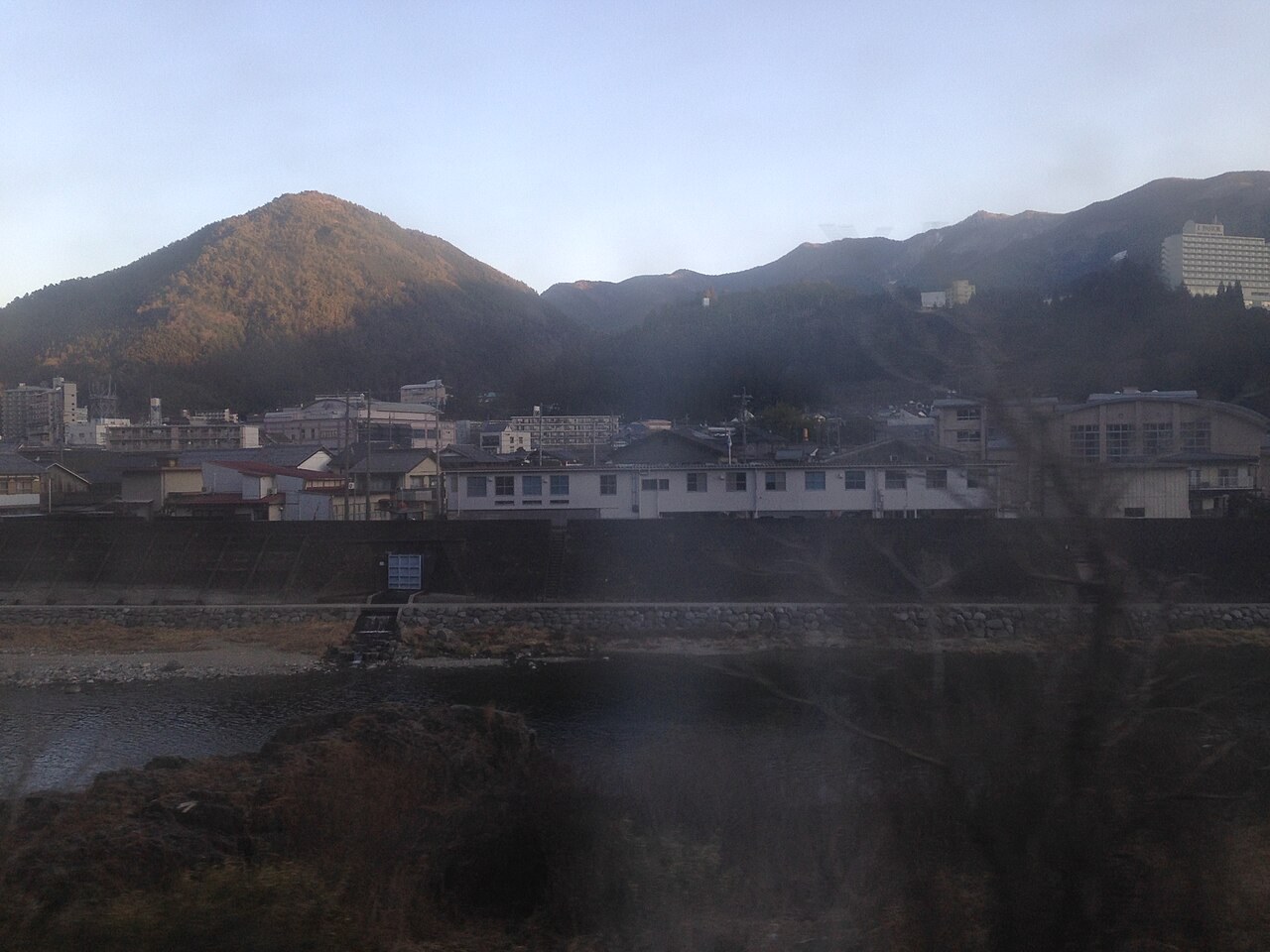
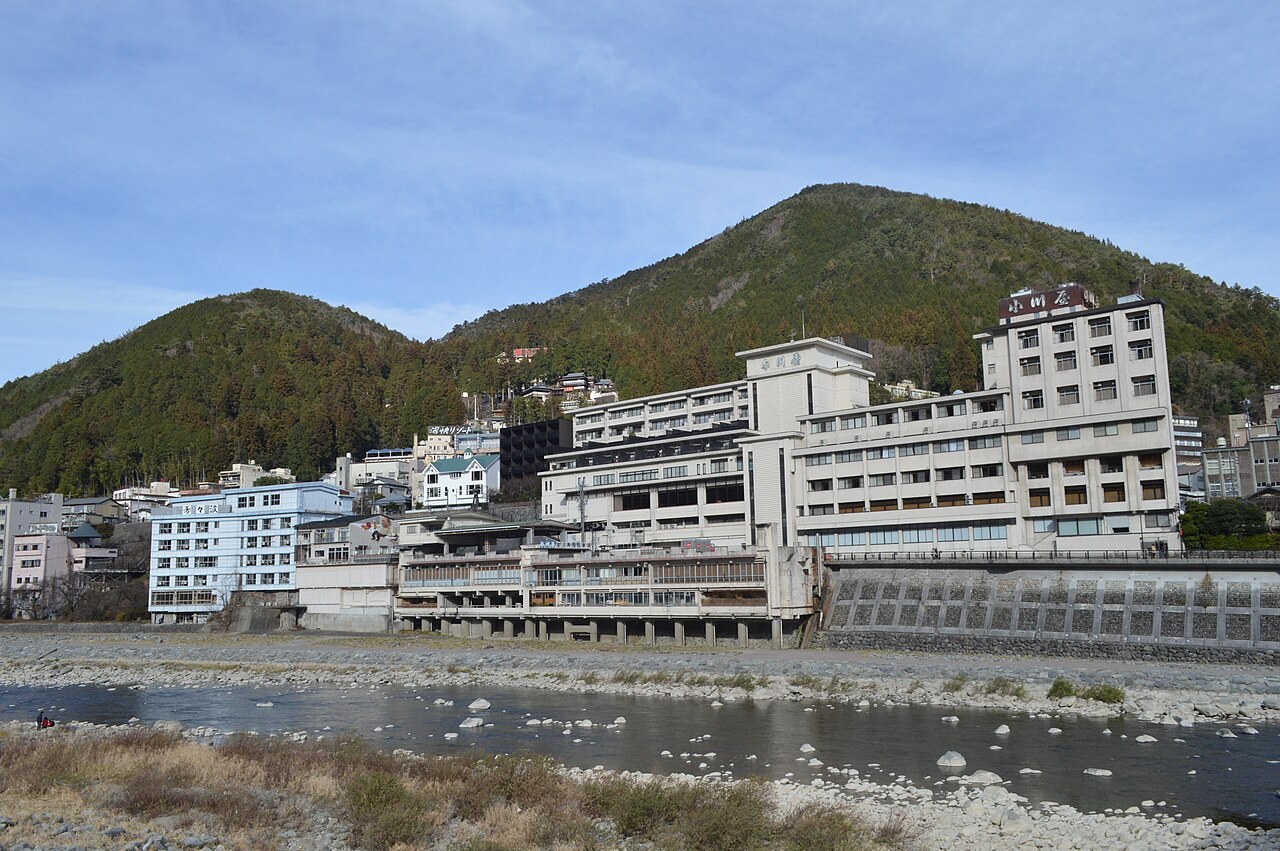
Gero's layout is convenient in a way many mountain springs are not. The nearest station, Gero on the JR Takayama Main Line, is effectively at the entrance to the spring town, and the town's own access information simply notes that the station is right there. From there, the resort spreads along the Hida River, so the river, the bridges and the bathhouses form the scenery of a stay.
The town is also reachable by road, on National Routes 41 and 257 and the Nōhi crossing road, with municipal parking near the spring town for drivers. Whether arriving by train or car, the pattern of a visit is the same: settle into the riverside town, bathe, and use the footbaths and public baths scattered through it as you walk.
Summer fireworks, the August festival, and autumn in the Hida hills
Gero is a year-round destination, with two seasons highlighted in this guide. Summer brings fireworks and the Gero festival in August, when the riverside town is at its liveliest. Autumn brings leaves in the Hida hills around the town, pairing the colour of the surrounding slopes with the hot alkaline water. The smooth, high-pH spring is the constant in every season.
From Tokyo, the journey takes about 3 hours 30 minutes: Shinkansen to Nagoya, then the Hida limited express for about 1 hour 30 minutes to Gero. From Osaka the same route via Nagoya takes about 3 hours. That direct limited express connection to a station at the heart of the spring town makes Gero one of the more straightforward of Japan's great historic springs to reach.
The sections above were written for this guide from the facts in the Japanese Wikipedia article 「下呂温泉」 and the spring and access data summarised on this page, under CC BY-SA 4.0.
Public bathhouse (recorded as onsen in OpenStreetMap) (2)
- クアガーデン露天風呂
OpenStreetMap - クアガーデン露天風呂
OpenStreetMap
Public bathhouse (spring type not recorded in OpenStreetMap) (10)
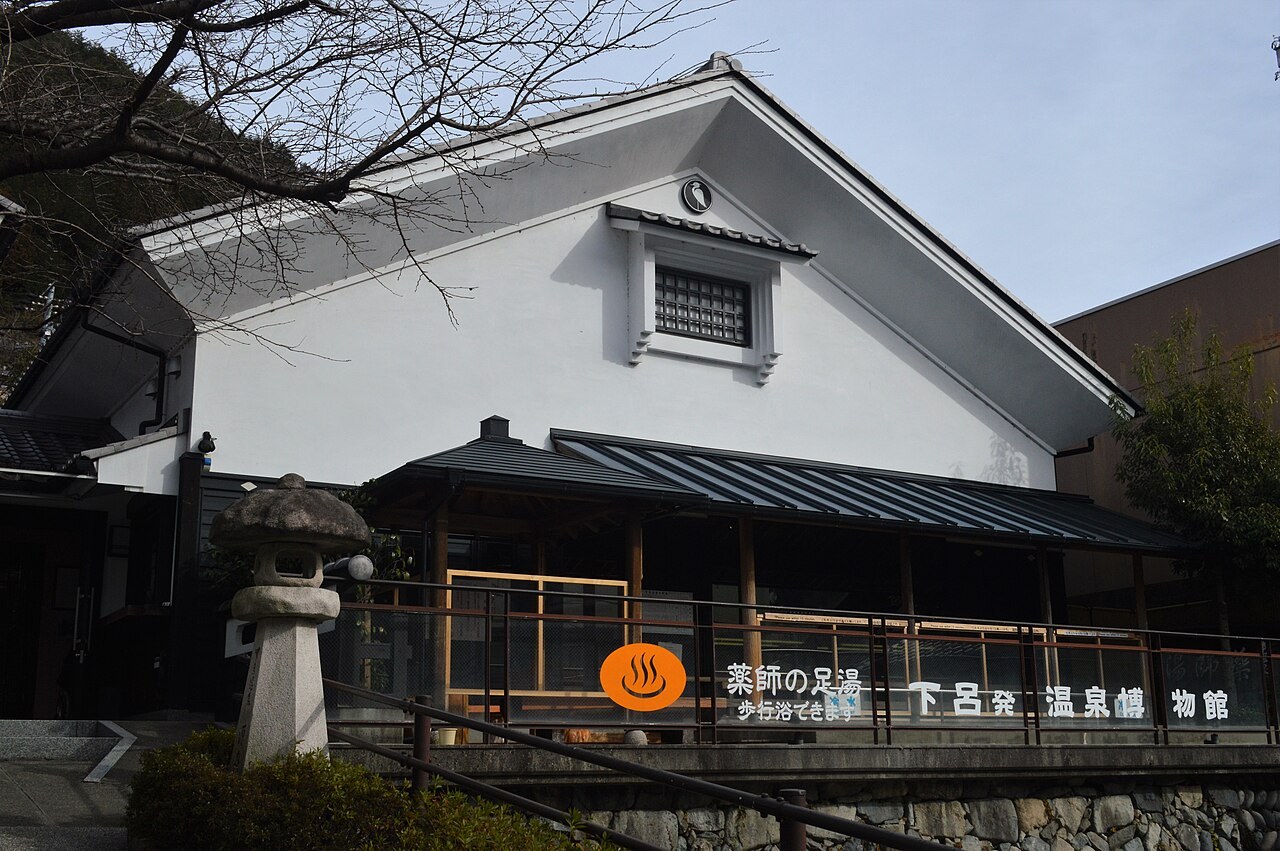
- Gassho no Ashiyu (footbath) 合掌の足湯
OpenStreetMap - クアガーデン露天風呂
OpenStreetMap - 下呂温泉 合掌の手湯
OpenStreetMap - 下呂温泉噴泉池
OpenStreetMap - 山形屋の手湯
OpenStreetMap - 幸の湯
OpenStreetMap - 白鷹乃湯
OpenStreetMap - 白鷺の湯
OpenStreetMap - 雅の足湯
OpenStreetMap - 鷺の足湯
OpenStreetMap
Hot spring source (1)
- 下呂温泉湯本
OpenStreetMap
Gallery


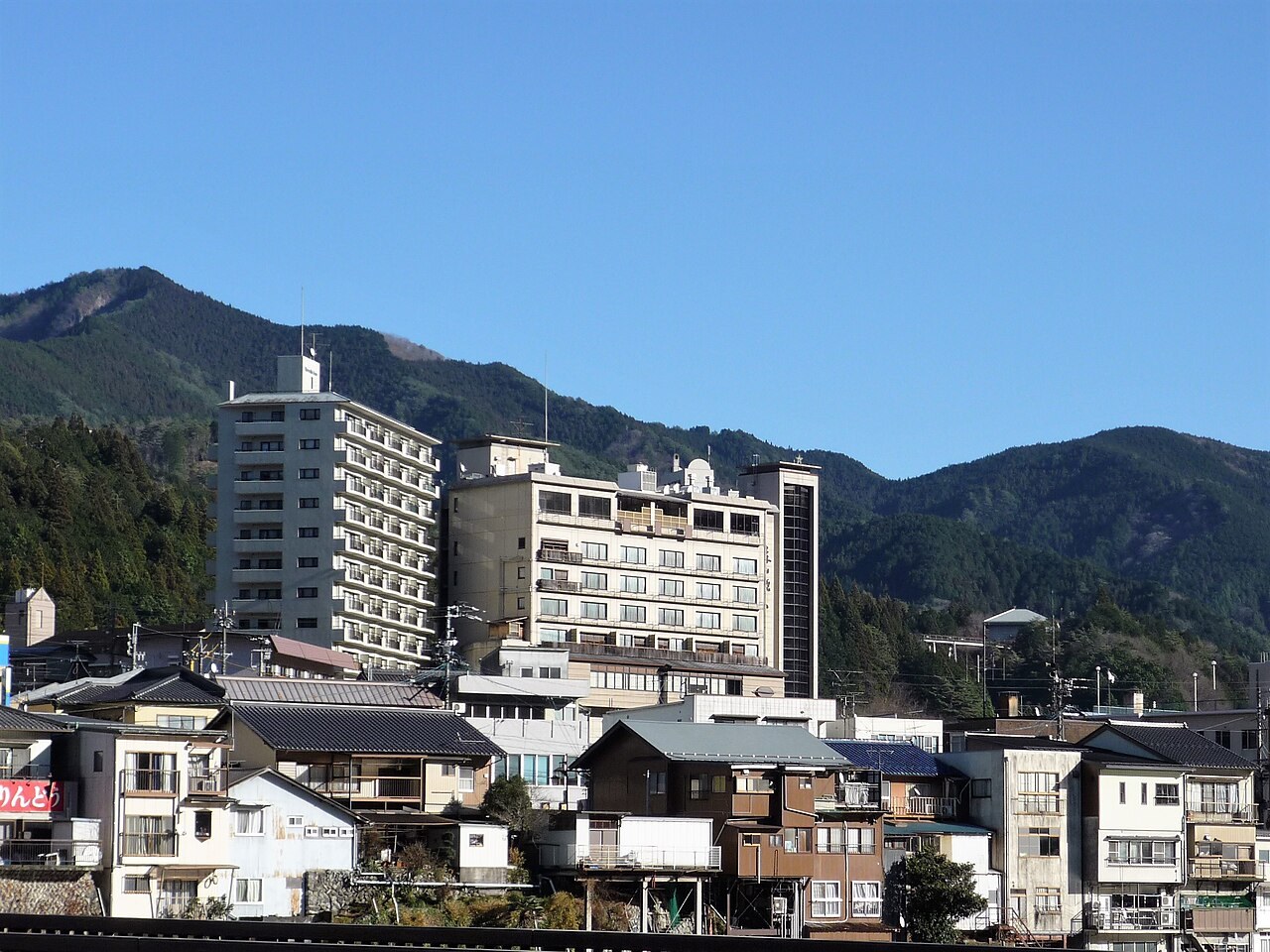

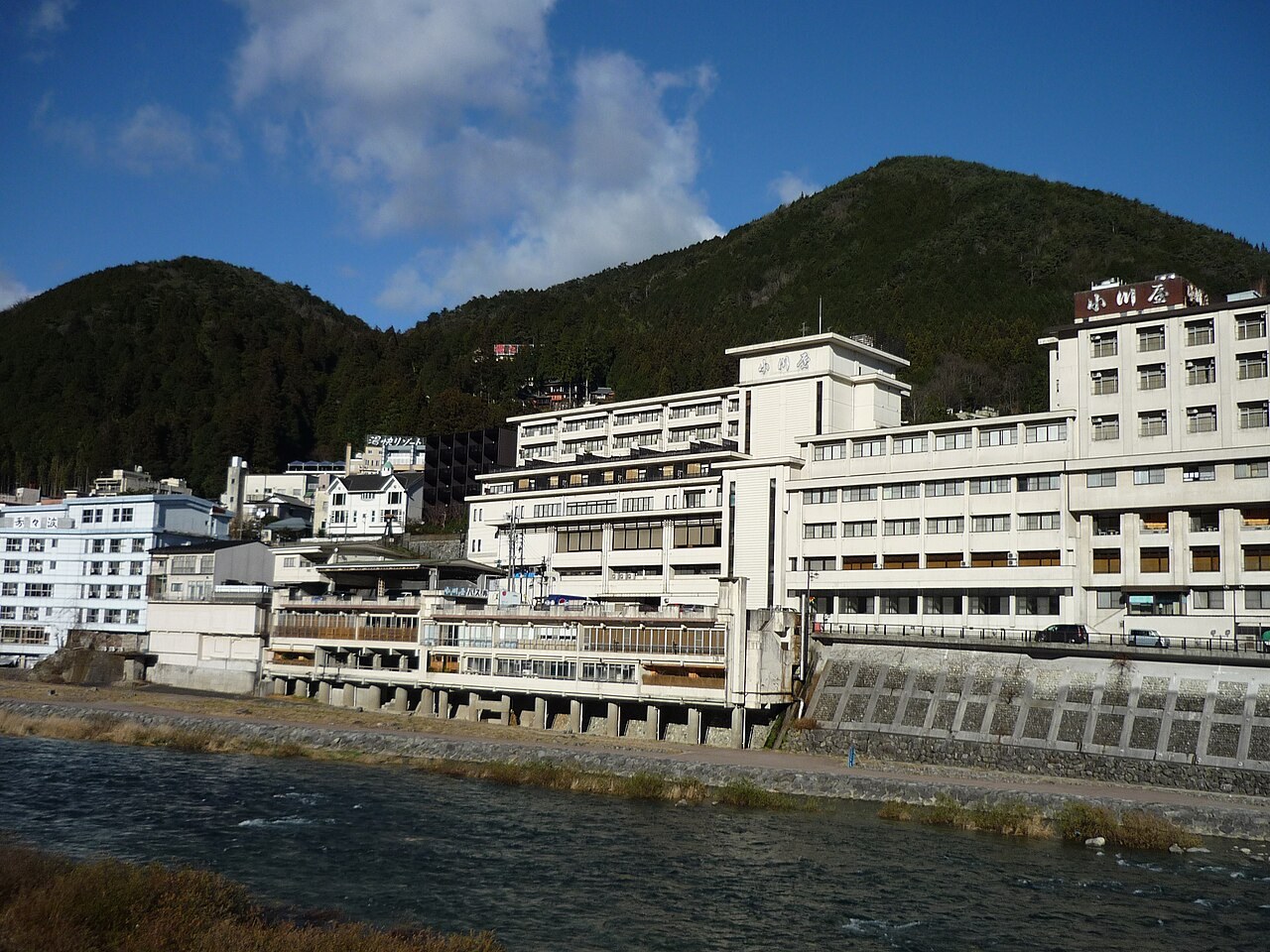

Names, types and websites are shown exactly as recorded in OpenStreetMap. A bathhouse whose spring type is not recorded is labelled as such — we do not guess. Before your first visit, read how to use an onsen.
More onsen towns
- Kusatsu Onsen 草津温泉 — Named with Gero among Japan's Three Famous Springs
- Arima Onsen 有馬温泉 — The third of the Three Famous Springs, behind Kobe
- Shibu Onsen 渋温泉 — Another compact wooden town built for bath-hopping
- Yubara Onsen 湯原温泉 — Another river-town famous for a great open-air bath
Keep exploring
- All onsen towns in Chubu — this town's region, town by town
- Browse by spring type — find towns by their water
- Browse by feature — day trips, snow-view baths, free communal baths and more