Home › Onsen towns › Shibu Onsen
Shibu Onsen 渋温泉
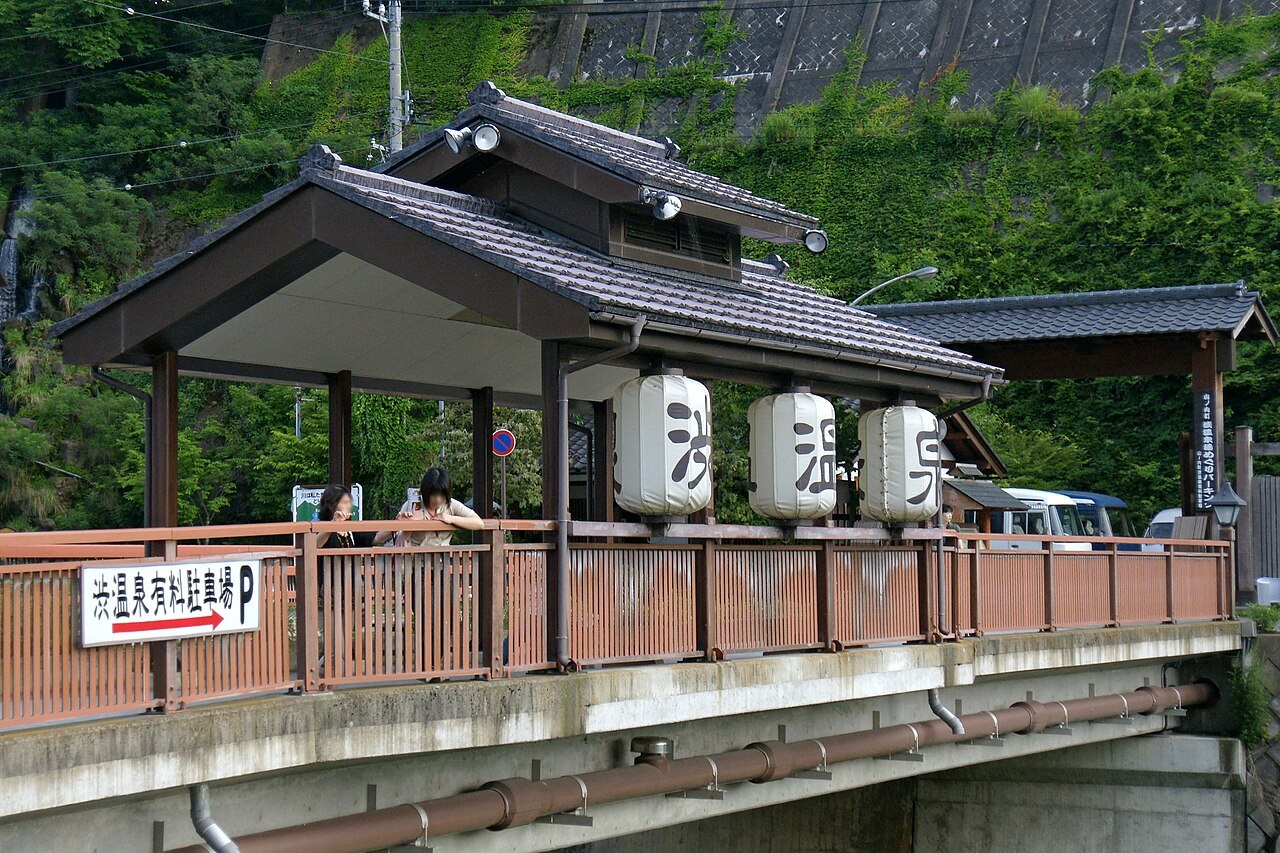
Shibu is a single cobbled lane of wooden inns in the mountains of Yamanouchi, Nagano, about 10 minutes by bus from Yudanaka Station. Guests in yukata make the pilgrimage of its nine public baths (kyu-to meguri), said to wash away nine kinds of suffering, and the Jigokudani snow monkeys soak in the same valley. Below are the bathhouses, spring sources and onsen facilities recorded in OpenStreetMap within about 1.5 km of the town centre.
| Prefecture | Nagano |
|---|---|
| Region | Chubu |
| Spring quality | Simple springs and chloride springs (the nine public baths draw on several sources) |
| Source temperature | Varies by source — the nine baths are fed from several hot wells |
| Nearest station | Yudanaka (Nagano Electric Railway), then about 5–10 minutes by bus |
| From Tokyo | About 3 hours — Hokuriku Shinkansen to Nagano + Nagano Electric Railway to Yudanaka + bus |
| From Osaka | About 4 hours 30 minutes via Nagano |
| Best season | Winter for snow monkeys and snow-covered lanes; autumn leaves in the Yokoyu gorge |
| Places listed here | 18 |
| Public bathhouses | 18 |
| Hot spring sources | 0 |
Spring quality, source temperatures and access routes are drawn from the Japanese Wikipedia articles on each town (CC BY-SA 4.0) and the English articles credited below. Journey times are typical scheduled times for the routes named, rounded — always check current timetables before you travel.
About Shibu Onsen
Shibu Onsen (渋温泉) is a hot spring town in Yamanouchi Town, Shimotakai District, Nagano Prefecture, known for a single cobbled lane lined with wooden inns and for its nine public baths. The area as a whole is called the Yudanaka-Shibu hot spring area, a group of springs in the mountains of northern Nagano, and Shibu is its historic heart.
The waters here are simple springs and chloride springs, with the nine public baths drawing on several sources, so the temperature varies by source. The nearest station is Yudanaka on the Nagano Electric Railway, about 5–10 minutes away by bus.
The water: simple and chloride springs feeding nine public baths
Shibu's spring quality is recorded as simple springs and chloride springs, and its nine public baths are fed from several hot wells rather than one source, so temperatures vary from bath to bath. That arrangement suits the town's defining custom: instead of one large bathhouse, the water is divided among nine separate public baths, each small, and a visit is built around going from one to the next.
This guide lists 18 places for Shibu, all recorded as public bathhouses, the largest bathhouse count among the towns in this group alongside Atami. The reference data for the town also records 35 lodging facilities, which gives a sense of scale: this is a complete small resort town, but one whose bathing life is deliberately spread across many small baths rather than concentrated in a single grand building.
One cobbled lane of wooden inns
The image of Shibu is its lane. A cobbled street runs through the town, wooden inns stand along it, and the nine public baths are placed along the way, so that the whole town reads as one short, walkable scene. Bathing here is a stroll as much as a soak: guests step out of their inn, walk the lane, and enter the next bath, repeating the pattern through the day.
That compactness is what makes Shibu memorable in winter, when the guide recommends it for snow-covered lanes. Snow on the cobbles, wooden facades, and steam from the baths give the town a strong seasonal character. In autumn, the leaves in the Yokoyu gorge provide the counterpoint, colouring the river valley that runs by the town. Both seasons reward the same simple activity, walking the lane between baths.
The staging town for the Jigokudani snow monkeys
Shibu's wider fame comes from what lies beyond the town. It is described in this guide as the historic staging town for the Jigokudani snow monkeys, the wild monkeys that bathe in a hot spring in the nearby valley, and many visitors pair a night in Shibu with a trip to see them. The combination is natural: a town built entirely around hot spring bathing, serving as the base for watching monkeys do the same.
Winter is therefore the signature season, bringing together the two halves of the visit, snow monkeys by day and the nine snow-dusted baths by evening. Staying in Shibu rather than visiting only for the monkeys gives travellers the slower part of the experience as well, an evening on the cobbled lane, moving between small public baths in the cold mountain air.
Getting there via Nagano and Yudanaka
The journey to Shibu runs through Nagano. From Tokyo, the standard route is the Hokuriku Shinkansen to Nagano, then the Nagano Electric Railway to Yudanaka, then a bus of about 5–10 minutes into Shibu, for a total of about 3 hours. The town's own reference data gives the final leg as about 5 minutes by bus from Yudanaka Station. From Osaka, the journey takes about 4 hours 30 minutes via Nagano.
Because the last part of the trip is a private railway and a short bus ride, Shibu feels properly removed from the cities it serves, despite the reasonable journey time. That sense of arrival, stepping off the bus onto a single cobbled lane of wooden inns, with nine public baths waiting along it, is a large part of what visitors remember about the town.
The sections above were written for this guide from the facts in the Japanese Wikipedia article 「渋温泉」 and the spring and access data summarised on this page, under CC BY-SA 4.0.
Public bathhouse (recorded as onsen in OpenStreetMap) (6)
- Amagawa Hot Spring 天川の湯
OpenStreetMap - Matsu-no-yu 五番湯 松の湯
OpenStreetMap - Nanakukuri-no-yu 七番湯 七操の湯
OpenStreetMap - Take-no-yu 四番湯 竹の湯
OpenStreetMap - 休足処 信玄
OpenStreetMap - 安代 開花の湯
OpenStreetMap
Public bathhouse (spring type not recorded in OpenStreetMap) (12)
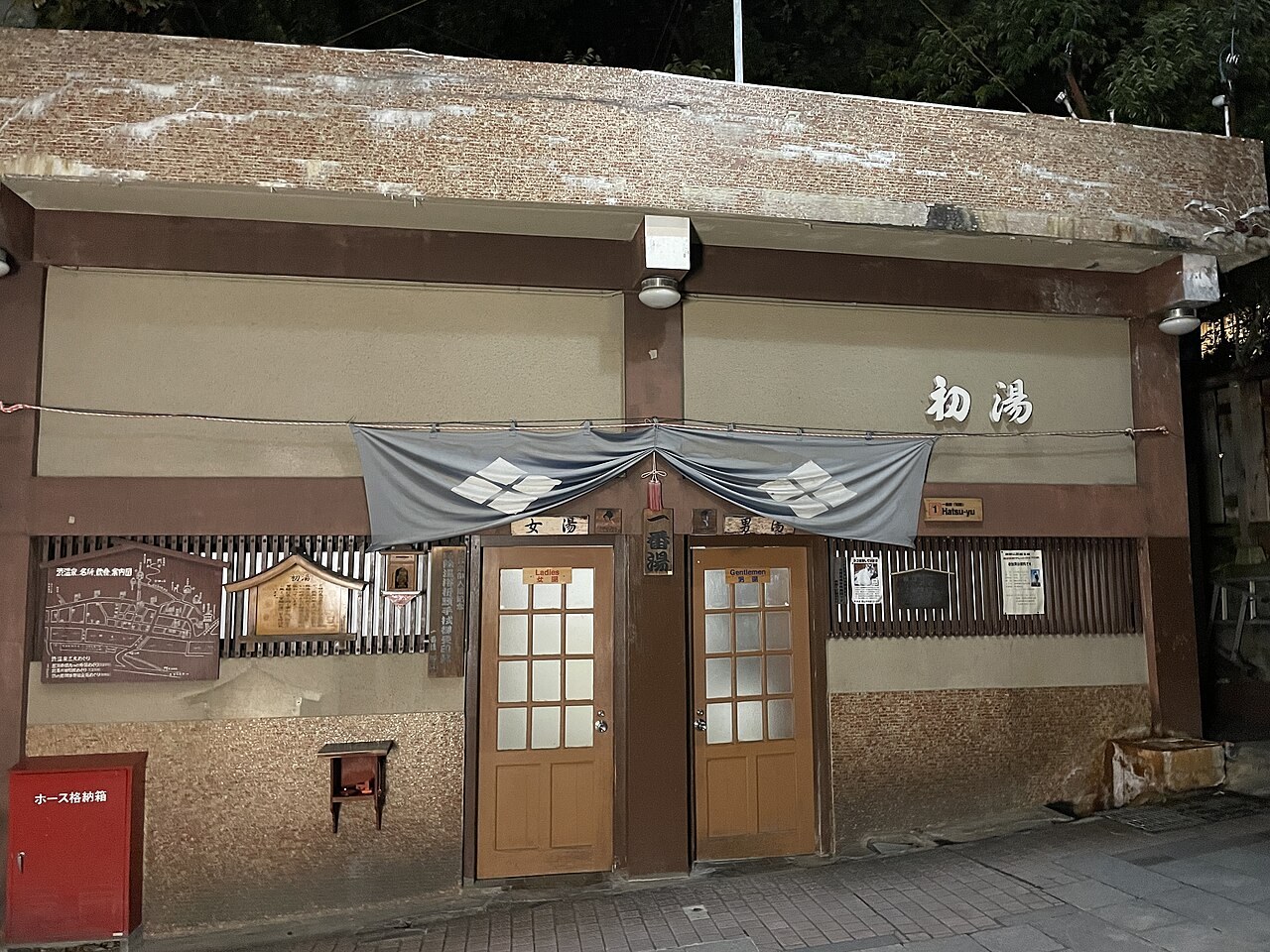
- Hatsu yu #1 一番湯 初湯
OpenStreetMap - Mearai-no-yu 六番湯 目洗の湯
OpenStreetMap - O Yu #9(free Onsen) 九番湯 大湯
OpenStreetMap - Sasa-no-yu 二番湯 笹の湯
OpenStreetMap - Shinmeidaki no yu #8 八番湯 神明滝の湯
OpenStreetMap - Wata-no-yu 三番湯 綿の湯
OpenStreetMap - よろづや
OpenStreetMap - 千代乃湯
OpenStreetMap - 石の湯
OpenStreetMap - 足湯
OpenStreetMap - 足湯 のふとまる
OpenStreetMap - 銭洗い温泉
OpenStreetMap
Gallery
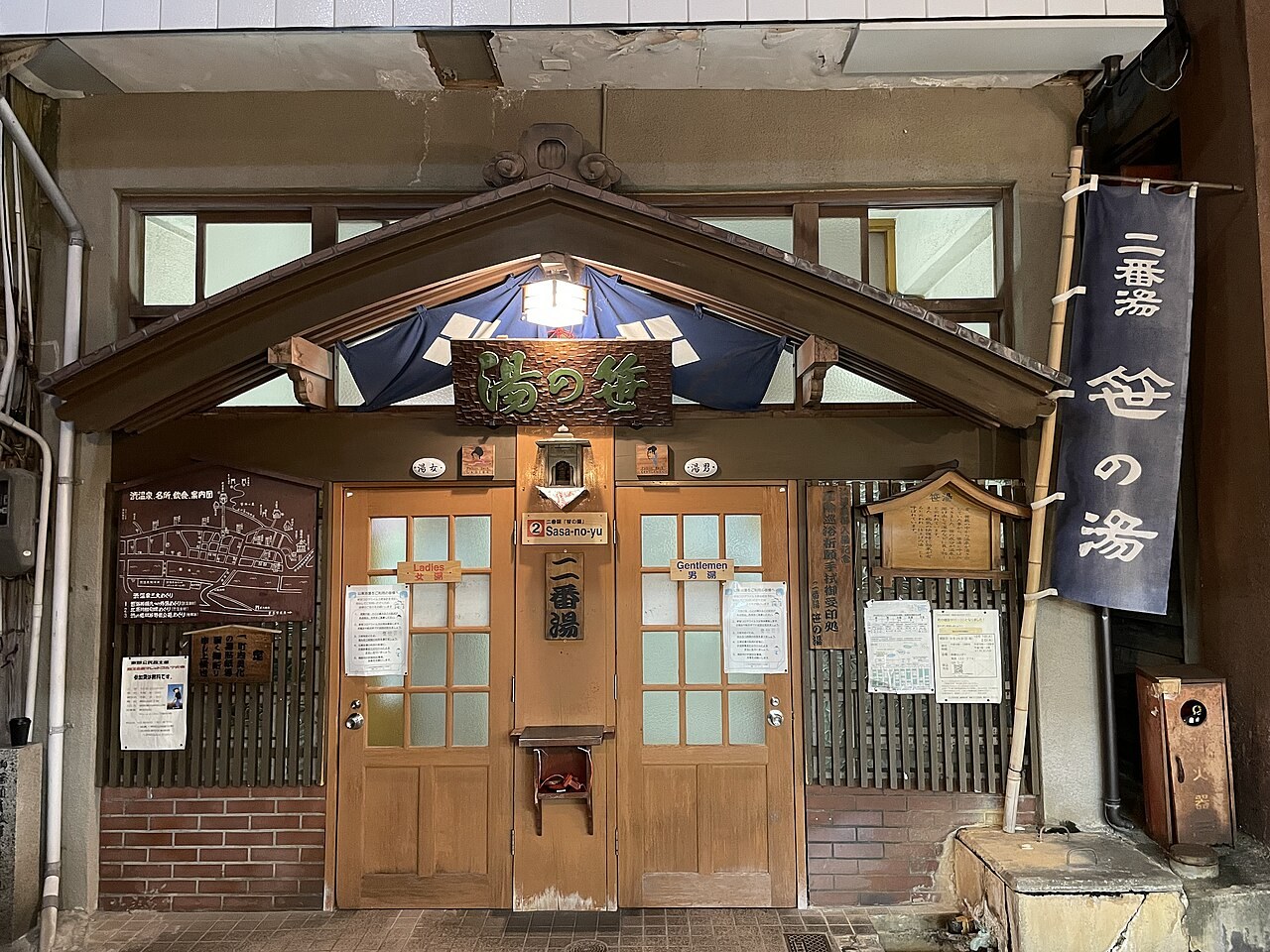

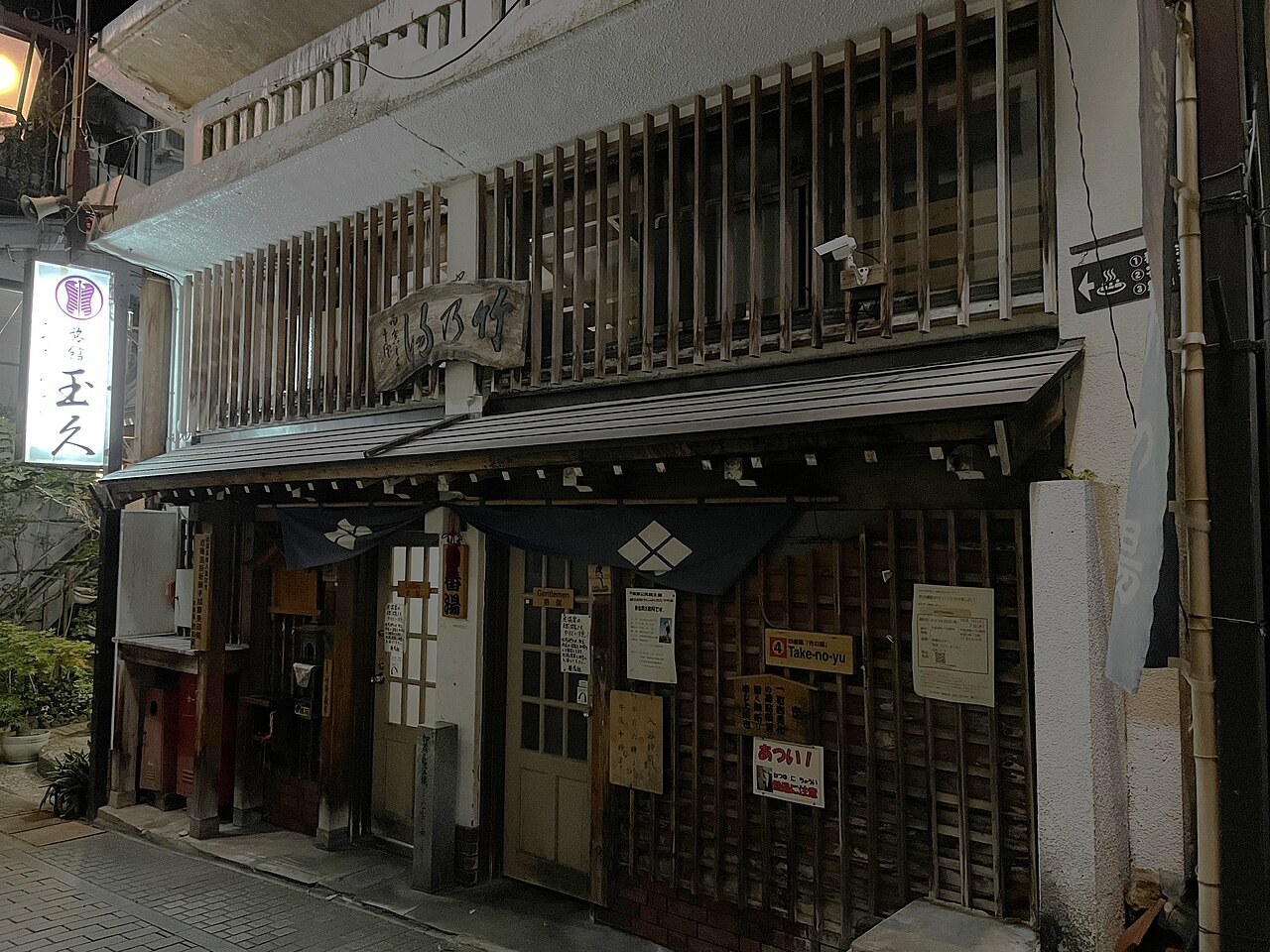

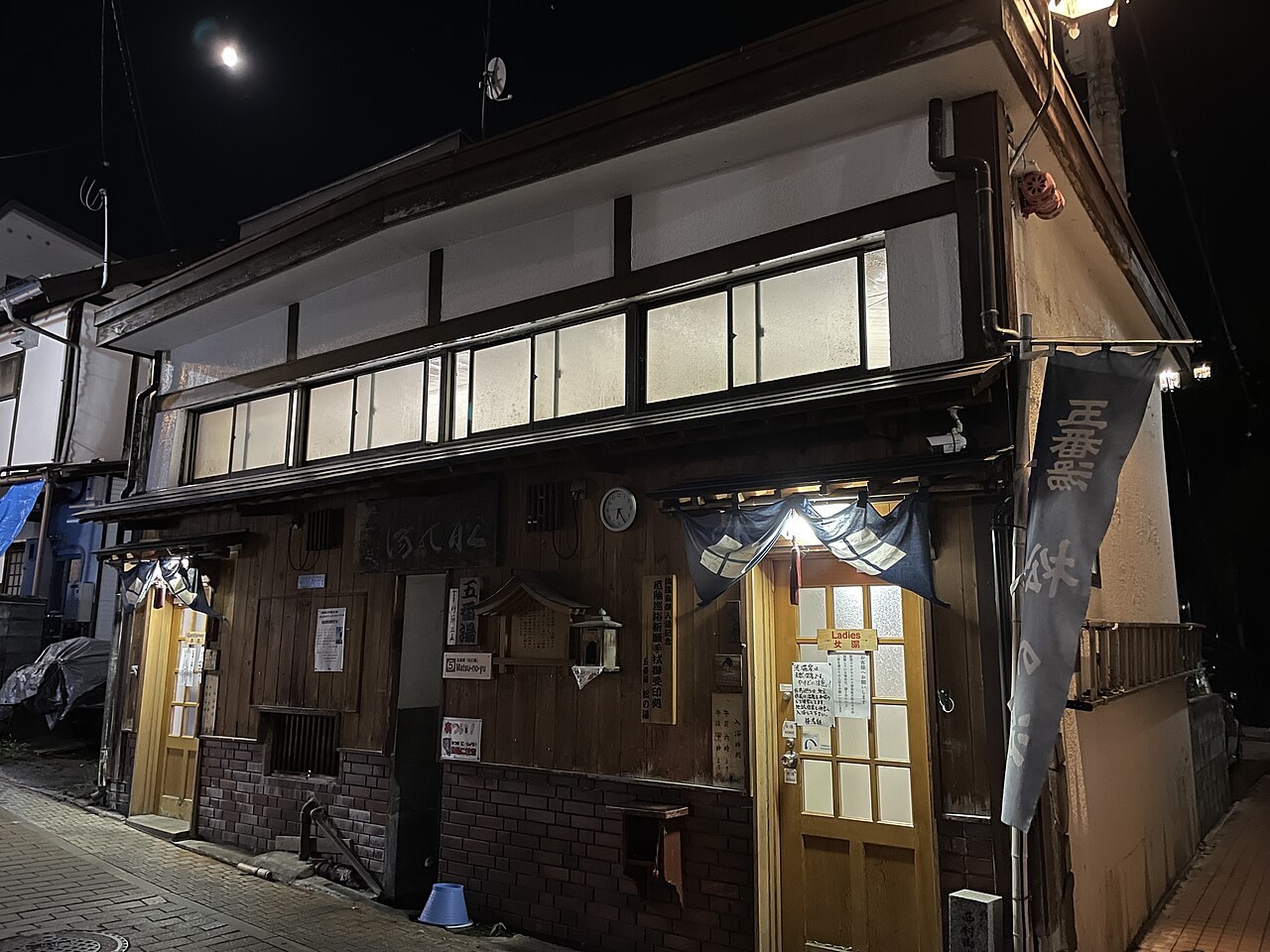

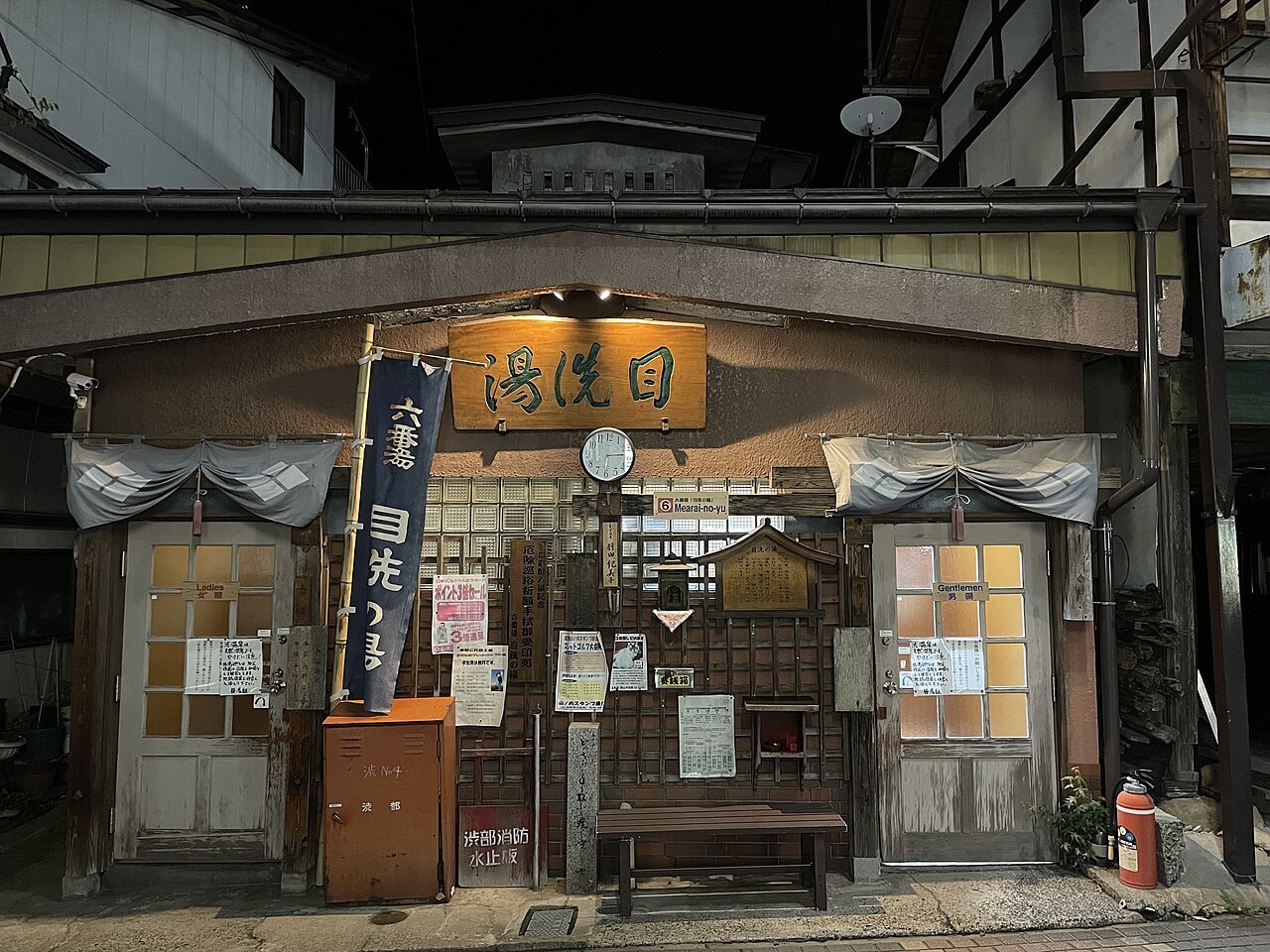

Names, types and websites are shown exactly as recorded in OpenStreetMap. A bathhouse whose spring type is not recorded is labelled as such — we do not guess. Before your first visit, read how to use an onsen.
More onsen towns
- Echigo-Yuzawa Onsen 越後湯沢温泉 — Across the mountains — Niigata's Snow Country station-front springs
- Ginzan Onsen 銀山温泉 — The same preserved wooden streetscape, lit by gas lamps in Yamagata
- Unazuki Onsen 宇奈月温泉 — Another mountain-rail spring town at a gorge mouth
- Kusatsu Onsen 草津温泉 — The volcanic giant over the prefectural border in Gunma
Keep exploring
- All onsen towns in Chubu — this town's region, town by town
- Browse by spring type — find towns by their water
- Browse by feature — day trips, snow-view baths, free communal baths and more