Home › Onsen towns › Yuda Onsen
Yuda Onsen 湯田温泉
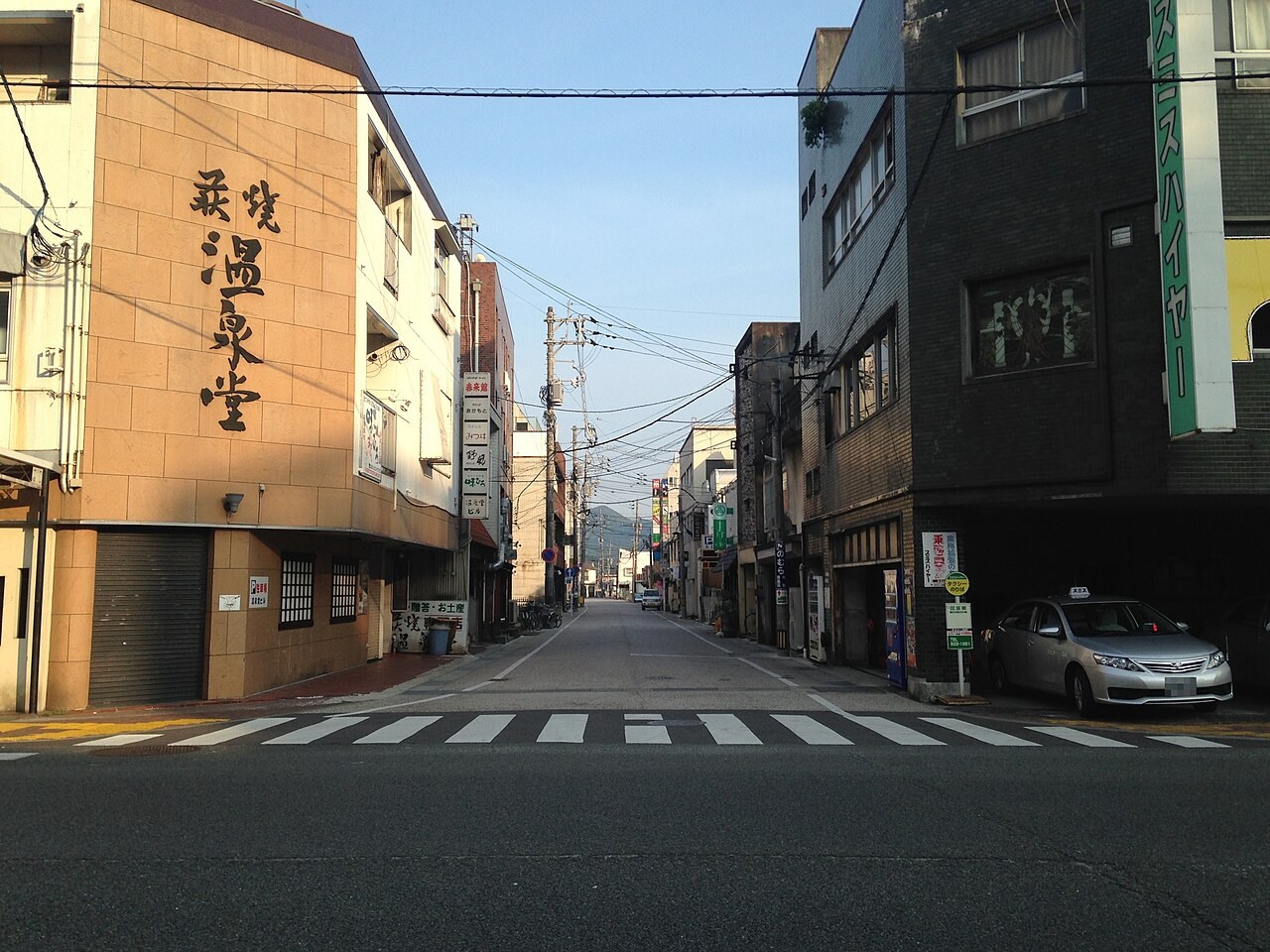
Yuda's alkaline simple spring (64–73 °C, pH 9.14 — famously smooth on the skin) rises right inside Yamaguchi City, at Yudaonsen Station on the Yamaguchi Line. A white fox is said to have revealed the water, and its statue greets arrivals between the free footbaths and ryokan streets. Below are the bathhouses, spring sources and onsen facilities recorded in OpenStreetMap within about 2 km of the town centre.
| Prefecture | Yamaguchi |
|---|---|
| Region | Chugoku |
| Spring quality | Alkaline simple spring (pH 9.14) |
| Source temperature | 64–73 °C at source |
| Nearest station | Yudaonsen (JR Yamaguchi Line) — the spring town surrounds the station |
| From Tokyo | Fly to Yamaguchi-Ube (about 1 h 40 min) + bus, or Shinkansen to Shin-Yamaguchi + local line (about 5 hours) |
| From Osaka | About 3 hours — Shinkansen to Shin-Yamaguchi + JR Yamaguchi Line |
| Best season | Year-round — a city spring for every season, lively in the August lantern festival |
| Places listed here | 6 |
| Public bathhouses | 4 |
| Hot spring sources | 2 |
Spring quality, source temperatures and access routes are drawn from the Japanese Wikipedia articles on each town (CC BY-SA 4.0) and the English articles credited below. Journey times are typical scheduled times for the routes named, rounded — always check current timetables before you travel.
About Yuda Onsen
Yuda Onsen (湯田温泉) is a hot-spring town inside Yamaguchi City, Yamaguchi Prefecture, in what was once Suo Province. Its water is an alkaline simple spring of notably high alkalinity, pH 9.14, emerging hot at 64–73 °C. It is one of Yamaguchi Prefecture’s representative springs, counted among the four noted springs of the old Bocho provinces, and the spring town surrounds its own station.
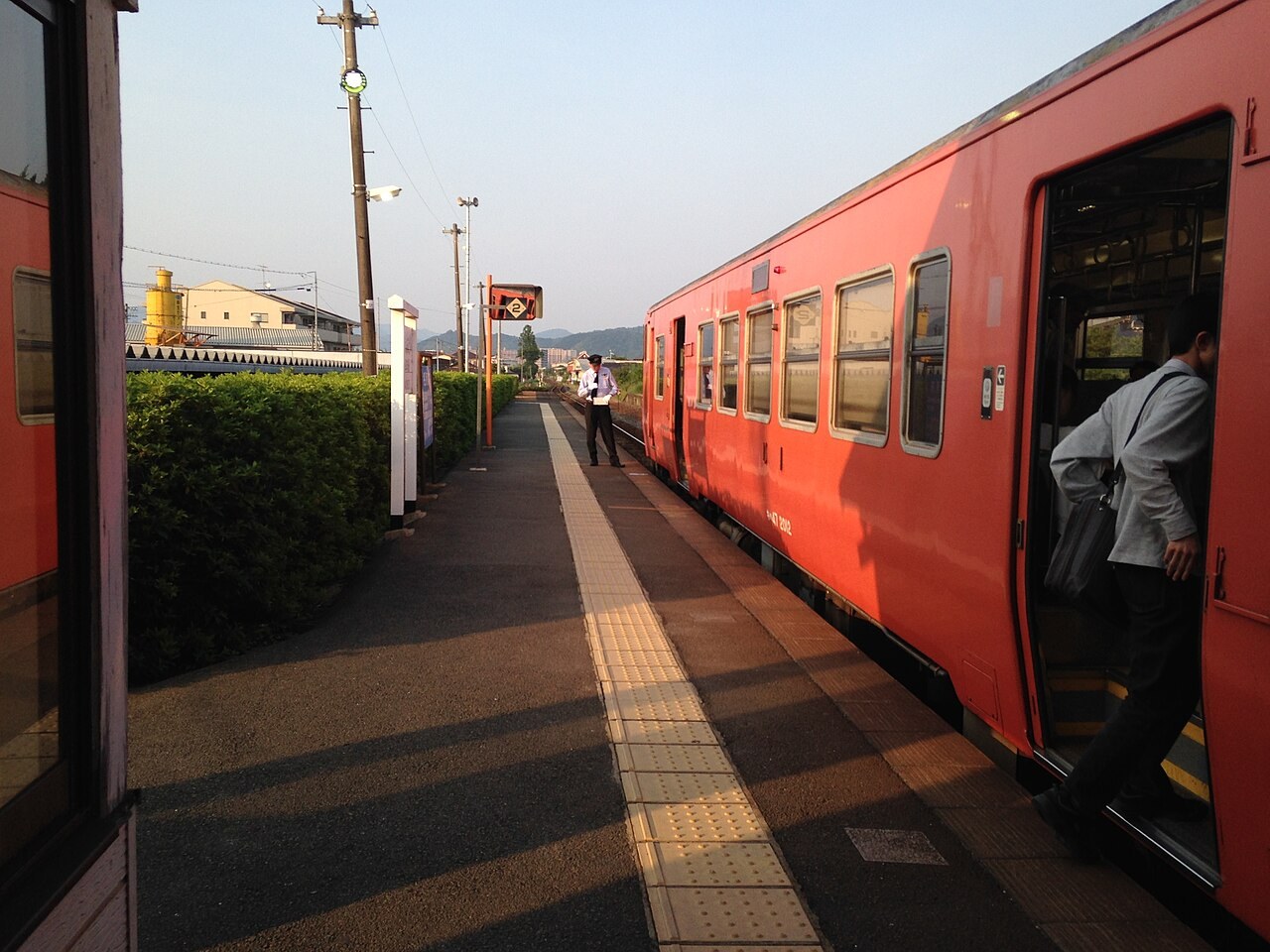
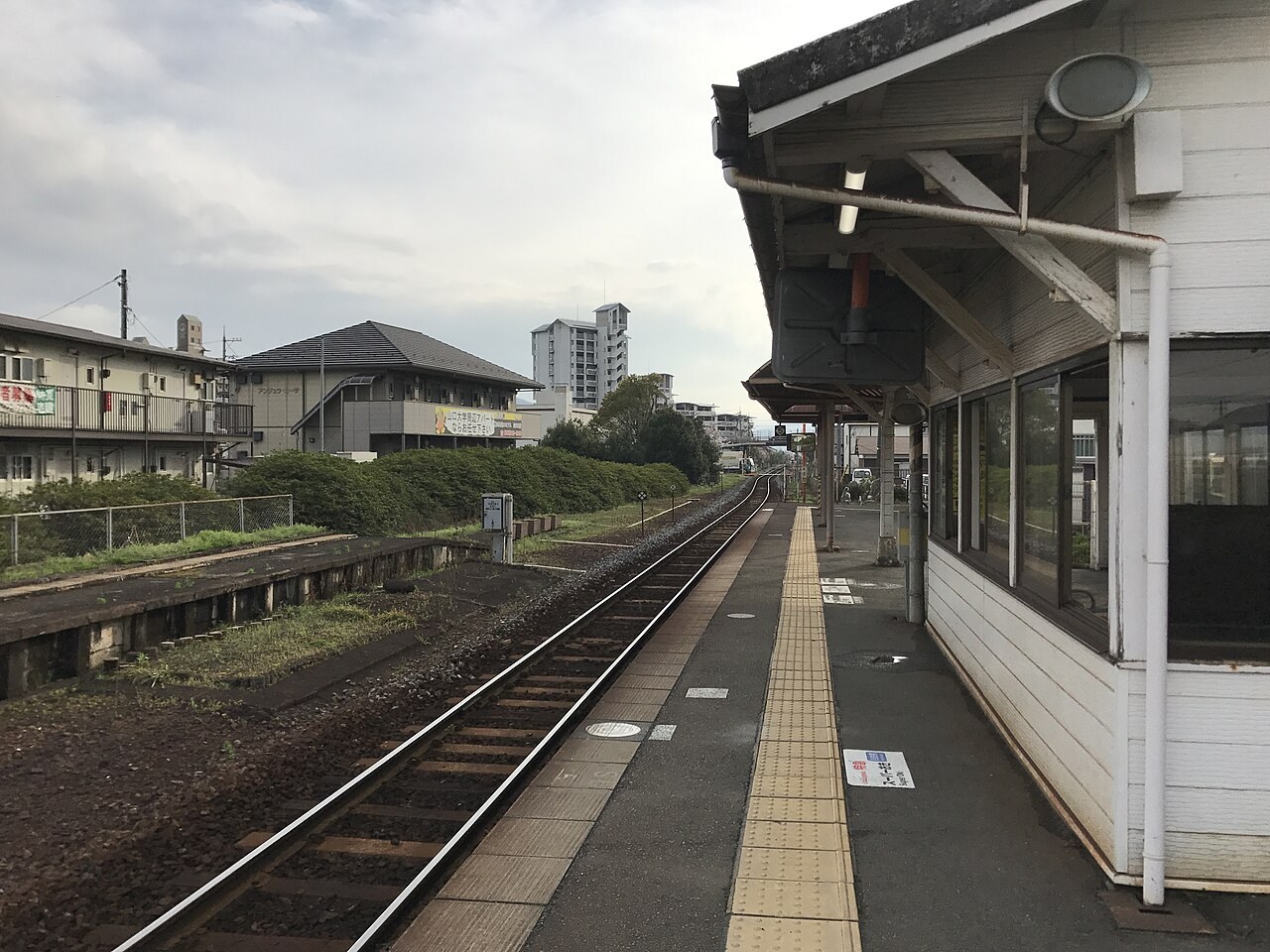
Yudaonsen Station on the JR Yamaguchi Line stands in the middle of the resort, which makes this a city spring in the fullest sense: about three hours from Osaka by shinkansen to Shin-Yamaguchi and the local line.
The water: a strongly alkaline simple spring, pH 9.14 at 64–73 °C
Yuda’s figures are distinctive on both axes. The source is hot — 64 to 73 °C at source, a range rather than a single well temperature — and the water is an alkaline simple spring with a pH of 9.14, high on the alkaline scale for a simple spring. A simple spring carries a light load of dissolved components, so at Yuda the character comes from that alkalinity and from the heat of the source itself.
Six places are listed here, including four public bathhouses and two hot-spring sources, and footbaths are part of the street furniture: the map data records footbaths at a park and in front of the station, so the water can be tried briefly, in passing, as well as at full length in a bathhouse.
The white fox’s spring: a resort that surrounds its station
The emblem of the town is a white fox: the Japanese article illustrates Yuda with the statue of a white fox standing beside Yudaonsen Station, and the station-front footbath recorded in the map data carries the white fox’s name. This page’s title follows the same tradition, calling Yuda the white fox’s silky spring — the smoothness in question being the feel traditionally associated with its alkaline water.
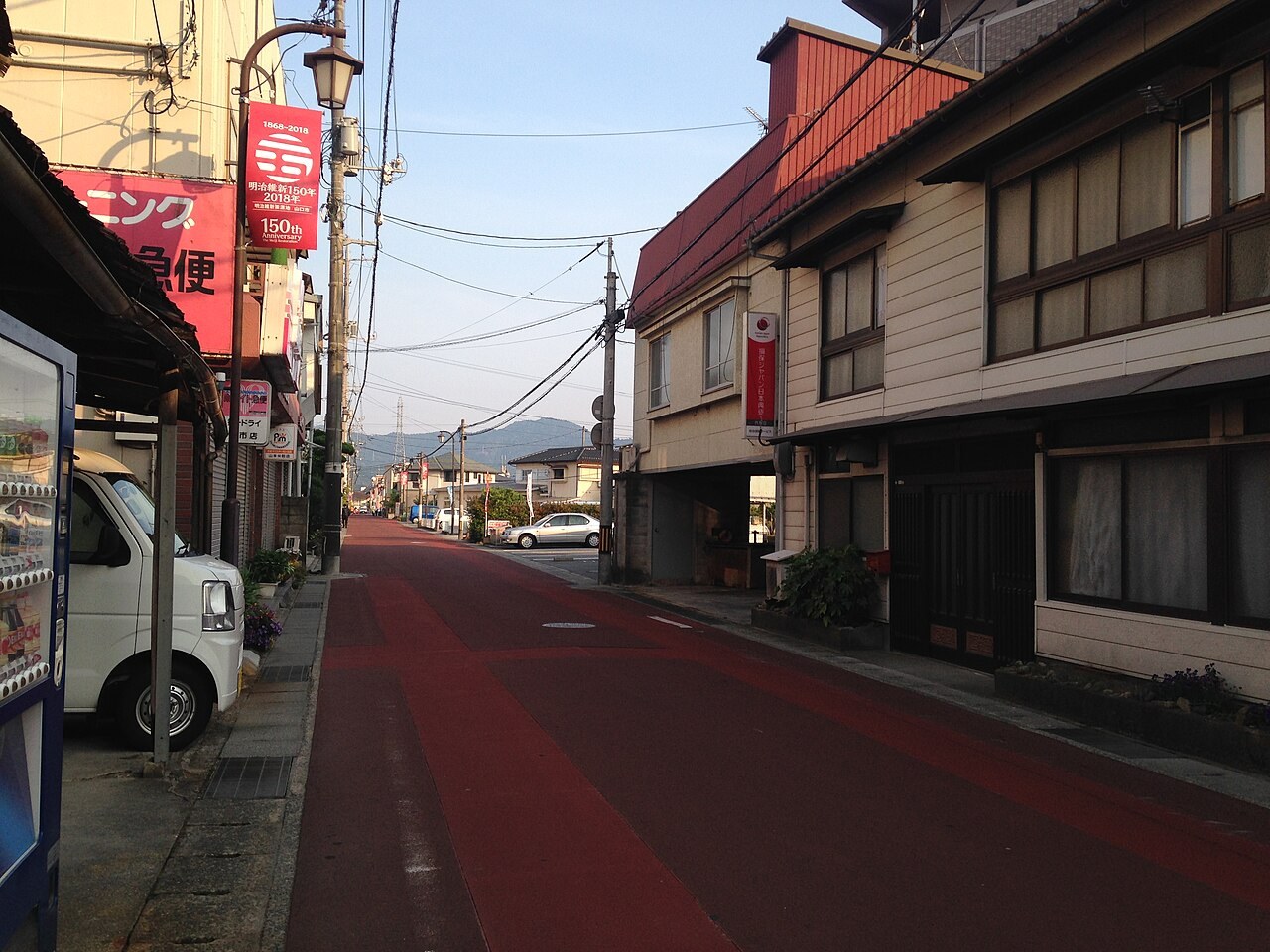
Structurally, Yuda is the opposite of a remote mountain spa. The spring town surrounds the station within a prefectural capital, so the inns, bathhouses and footbaths sit in ordinary city streets. That is the source of its particular convenience: a proper hot-spring stay with a city’s services wrapped around it.
When to come: a city spring for every season, lanterns in August
The listed best season is year-round — a city spring for every season, in the table’s own summary. A resort that does not depend on snow, blossom or gorge colour can be visited whenever the calendar allows, and the bathing does not change with the month.
The one fixed flourish is in August, when the town’s lantern festival makes the resort lively. If you want Yuda at its most animated, that is the time; if you want it quiet and convenient, the rest of the year is the point of a city spring.
Getting there: Shin-Yamaguchi by shinkansen, then the Yamaguchi Line
From Osaka, take the shinkansen to Shin-Yamaguchi and change to the JR Yamaguchi Line for Yudaonsen: about three hours. From Tokyo there are two patterns — fly to Yamaguchi-Ube Airport, about one hour and forty minutes, and continue by bus, or ride the shinkansen to Shin-Yamaguchi and the local line, about five hours in all.
Either way the last stop is the same: Yudaonsen Station, with the spring town around it. Of the towns in this group, Yuda asks the least navigation of a first-time visitor.
The sections above were written for this guide from the facts in the Japanese Wikipedia article 「湯田温泉」 and the spring and access data summarised on this page, under CC BY-SA 4.0.
Public bathhouse (recorded as onsen in OpenStreetMap) (2)
- おんせんの森
Official website · OpenStreetMap - 天然温泉 清水湯
OpenStreetMap
Public bathhouse (spring type not recorded in OpenStreetMap) (2)
- 井上公園足湯
OpenStreetMap - 湯田温泉駅前足湯(白狐の湯)
OpenStreetMap
Hot spring source (2)
- Yuda-Onsen Konkonpark 湯田温泉こんこんパーク
OpenStreetMap - 湯田温泉19号
OpenStreetMap
Gallery


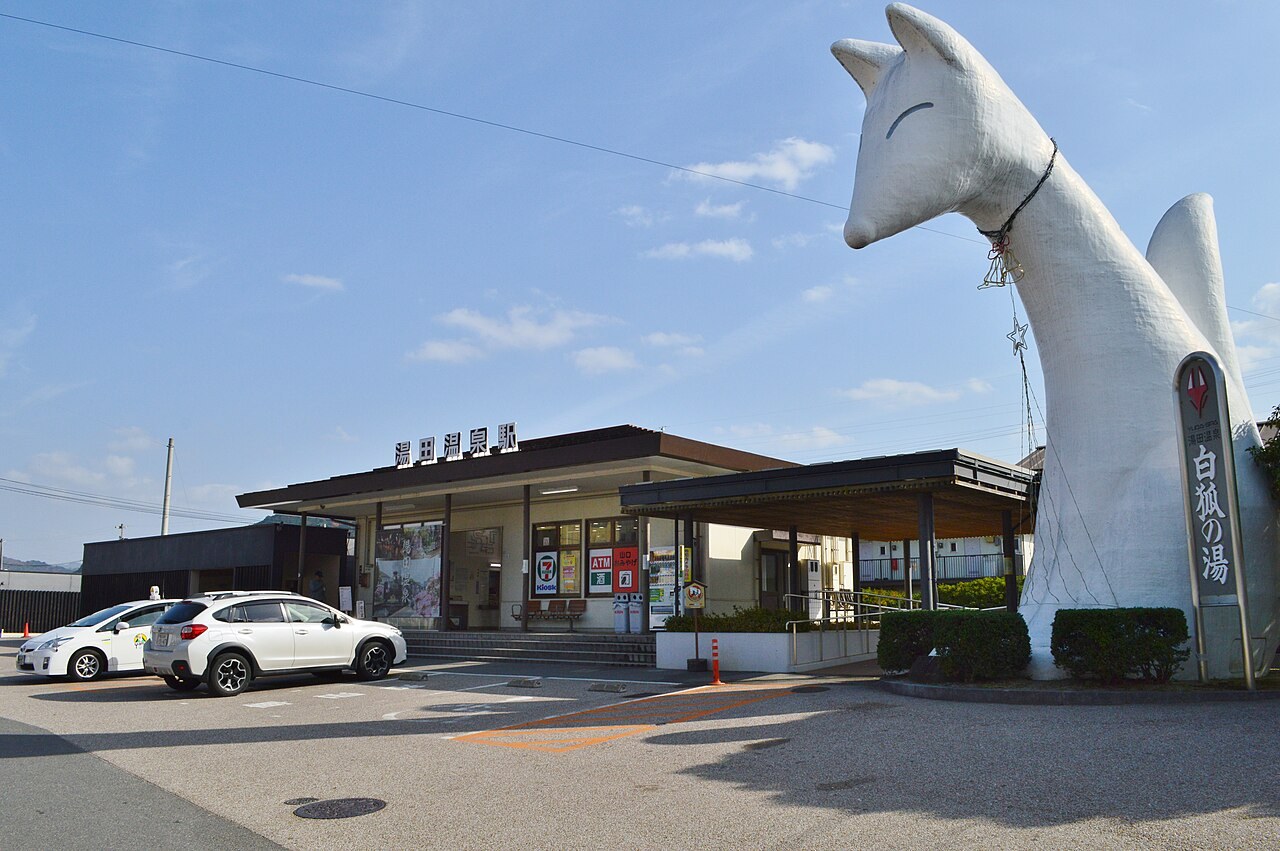

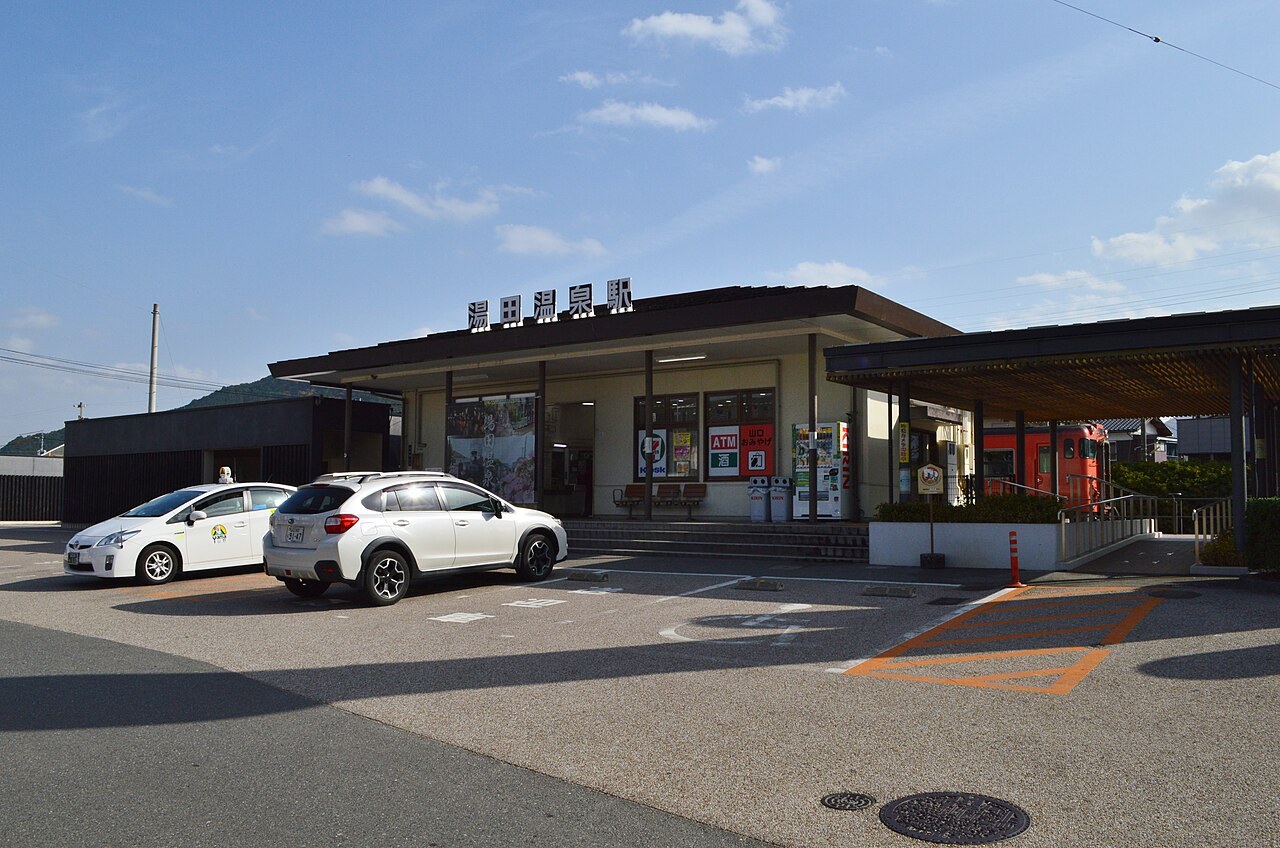

Names, types and websites are shown exactly as recorded in OpenStreetMap. A bathhouse whose spring type is not recorded is labelled as such — we do not guess. Before your first visit, read how to use an onsen.
More onsen towns
- Yuki Onsen 湯来温泉 — Across to Hiroshima's back-parlour valley springs
- Yubara Onsen 湯原温泉 — North into the Okayama mountains — the river-bath town
- Tamatsukuri Onsen 玉造温泉 — East along the San'in — the beautifying spring of Matsue
- Misasa Onsen 三朝温泉 — The radon-spring town further east in Tottori
Keep exploring
- All onsen towns in Chugoku — this town's region, town by town
- Browse by spring type — find towns by their water
- Browse by feature — day trips, snow-view baths, free communal baths and more