Home › Onsen towns › Yuki Onsen
Yuki Onsen 湯来温泉
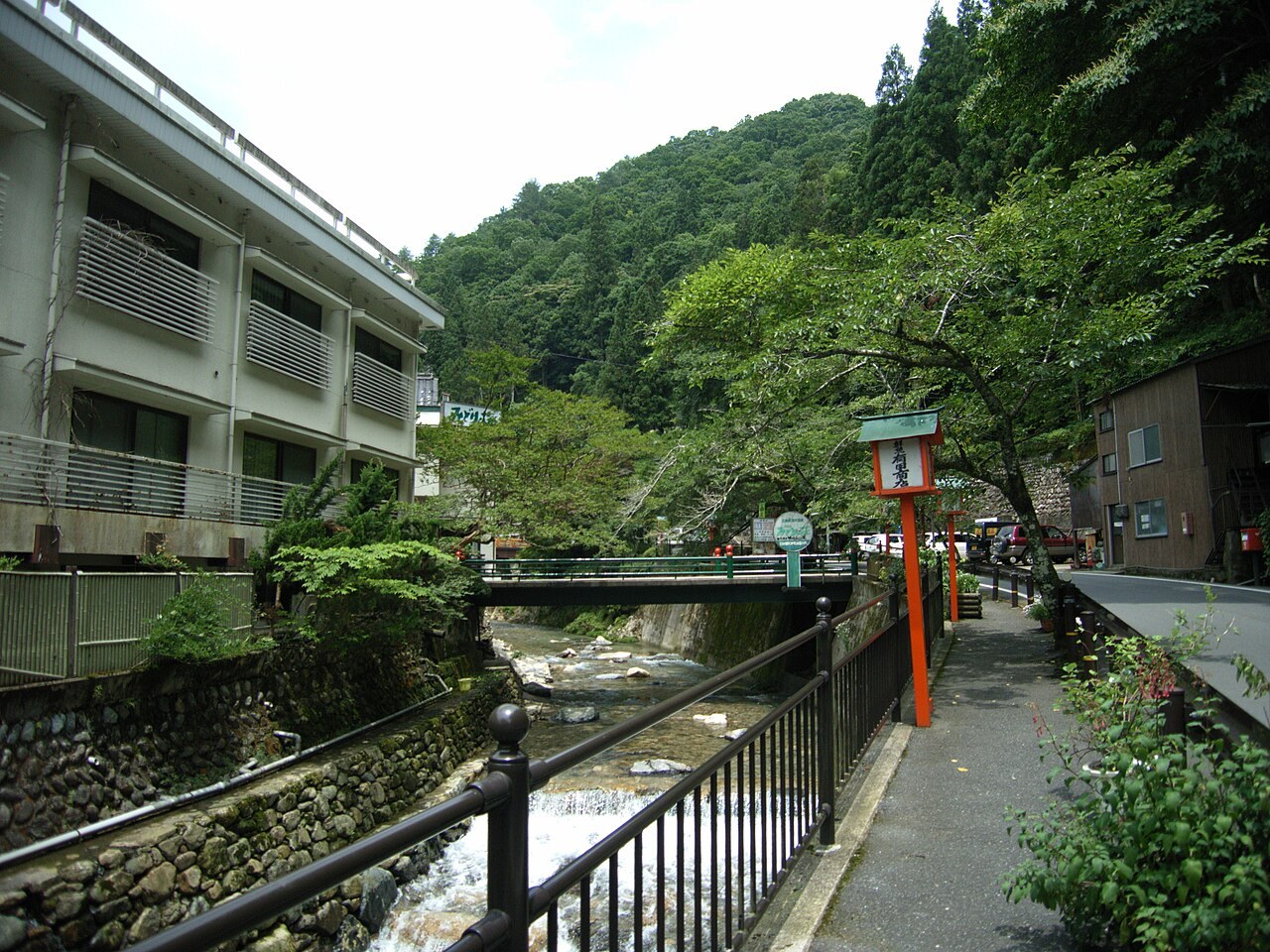
Yuki's radium spring (29.8 °C at source, heated for bathing) fills inns in a mountain valley in Saeki Ward, about 70 minutes by bus from Itsukaichi Station. Long called Hiroshima's back parlour (okuzashiki), it is a quiet town of gorge walks and river fish under green hills. Below are the bathhouses, spring sources and onsen facilities recorded in OpenStreetMap within about 2 km of the town centre.
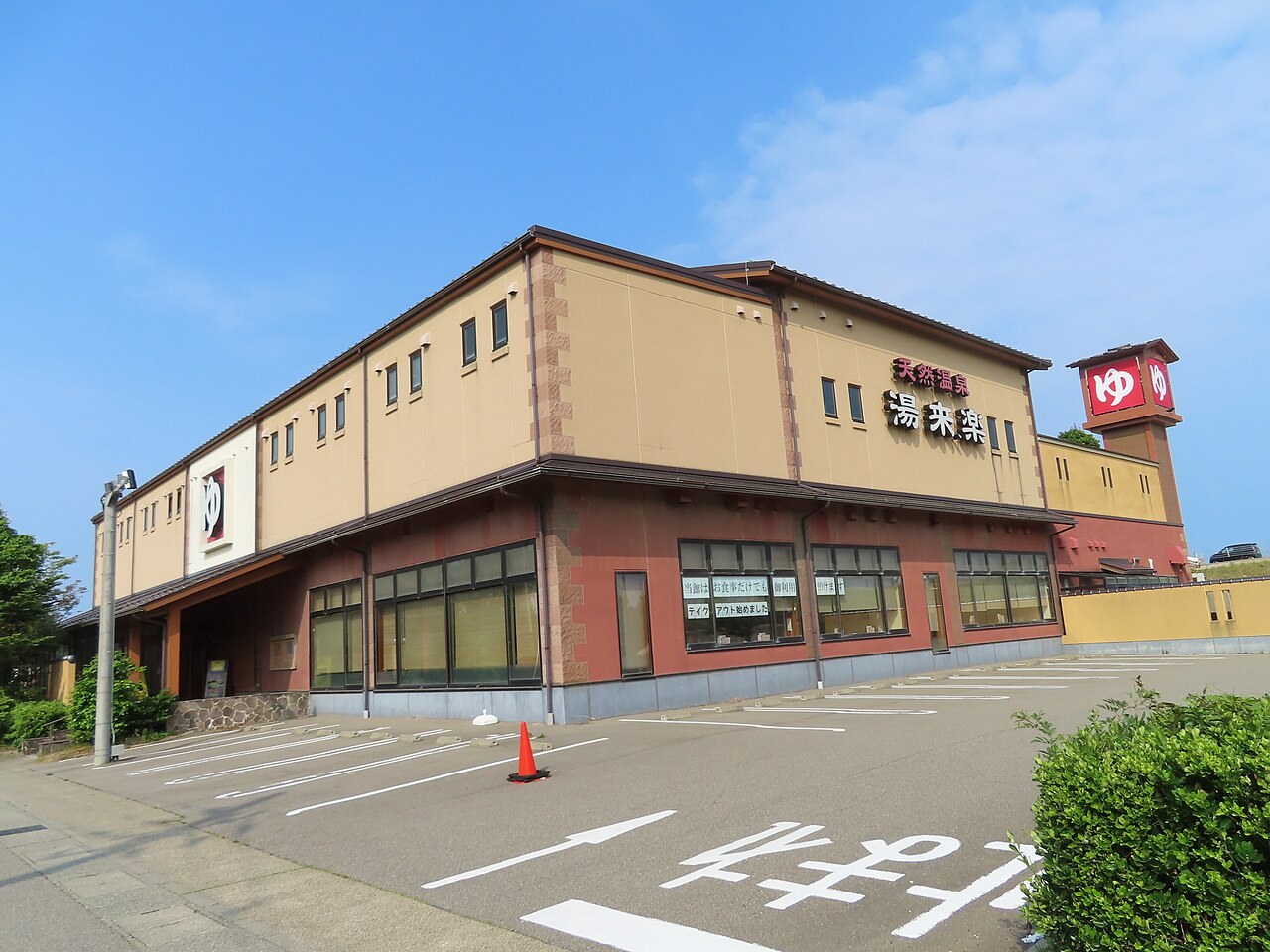
| Prefecture | Hiroshima |
|---|---|
| Region | Chugoku |
| Spring quality | Radioactive (radium) spring |
| Source temperature | About 29.8 °C at source |
| Nearest station | Itsukaichi (JR San'yō Main Line), then about 70 minutes by bus |
| From Tokyo | About 5 hours 30 minutes — Shinkansen to Hiroshima + local line and bus |
| From Osaka | About 2 hours 30 minutes — Shinkansen to Hiroshima + local line and bus |
| Best season | Spring fresh green and autumn leaves in the valley; summer river cool |
| Places listed here | 3 |
| Public bathhouses | 3 |
| Hot spring sources | 0 |
Spring quality, source temperatures and access routes are drawn from the Japanese Wikipedia articles on each town (CC BY-SA 4.0) and the English articles credited below. Journey times are typical scheduled times for the routes named, rounded — always check current timetables before you travel.
About Yuki Onsen
Yuki Onsen (湯来温泉) is a hot-spring town in the Tada district of Yuki Town, Saeki Ward, Hiroshima City, in what was once Aki Province. Its water is a radioactive (radium) spring, emerging at about 29.8 °C. Known as Hiroshima’s back parlour, it is a mountain-valley resort set well behind the city it serves.
Yuki is the most journeyed-to town in this group: from Itsukaichi Station on the JR San’yo Main Line, the bus ride onward takes about seventy minutes, for a total of about two hours and thirty minutes from Osaka via Hiroshima.
The water: a radium spring at about 29.8 °C
Yuki’s spring is classed as a radioactive spring — a radium spring in the older wording — and its recorded source temperature is about 29.8 °C. That is a cool source by resort standards, well below the heat of a volcanic spring town, and the bathing is arranged around water of that character: drawn from a gentle source and prepared for soaking by the bathhouses.
Three public bathhouses are listed here, and the Japanese record counts two lodging houses in the town. This is a small resort by the numbers, and that smallness is consistent with its back-parlour role: a quiet valley town rather than a large inn city.
Hiroshima’s back parlour, paired with Yunoyama Onsen
The article’s description of Yuki is direct: it is called Hiroshima’s back parlour, the retreat behind the city. The setting explains the label — a town in the mountains of Saeki Ward, in the valley country at the city’s western edge, far enough up the road to feel separate from the urban plain below.
Administratively, Yuki does not stand alone. Together with Yunoyama Onsen, in the same Yuki Town, it forms a single designated national recreation hot-spring area, and the two are also referred to jointly as the Yuki–Yunoyama spring country. A visit can therefore take in both springs of the one recreation area.
When to come: fresh green in spring, leaves in autumn, a cool river in summer
The seasons listed for Yuki are a valley’s seasons: spring fresh green and autumn leaves in the valley, and the cool of the river in summer. A mountain-valley resort earns its keep when the city is hot or when the hillsides are turning, and Yuki’s calendar is written in those terms.
That makes the timing of a trip a genuine choice here, unlike a city spring. Come in summer for the river’s cool at the end of the bus ride, or hold the visit for the autumn colour that fills the valley the town sits in.
Getting there: seventy minutes by bus from Itsukaichi Station
From Osaka, take the shinkansen to Hiroshima, the local line to Itsukaichi and the bus up to Yuki: about two hours and thirty minutes in total. From Tokyo the same route, shinkansen to Hiroshima and onward, takes about five hours and thirty minutes. The bus leg is run by Hiroden Bus and takes about seventy minutes from Itsukaichi Station.
That long last leg is the fact to plan around. Yuki is not a station town; the valley is the destination and the bus is the only public way up, so check the timetable in both directions before you leave Hiroshima.
The sections above were written for this guide from the facts in the Japanese Wikipedia article 「湯来温泉」 and the spring and access data summarised on this page, under CC BY-SA 4.0.
Public bathhouse (recorded as onsen in OpenStreetMap) (3)
- 広島市国民宿舎湯来ロッジ
OpenStreetMap - 河鹿荘
OpenStreetMap - 誠の桧湯
OpenStreetMap
Gallery
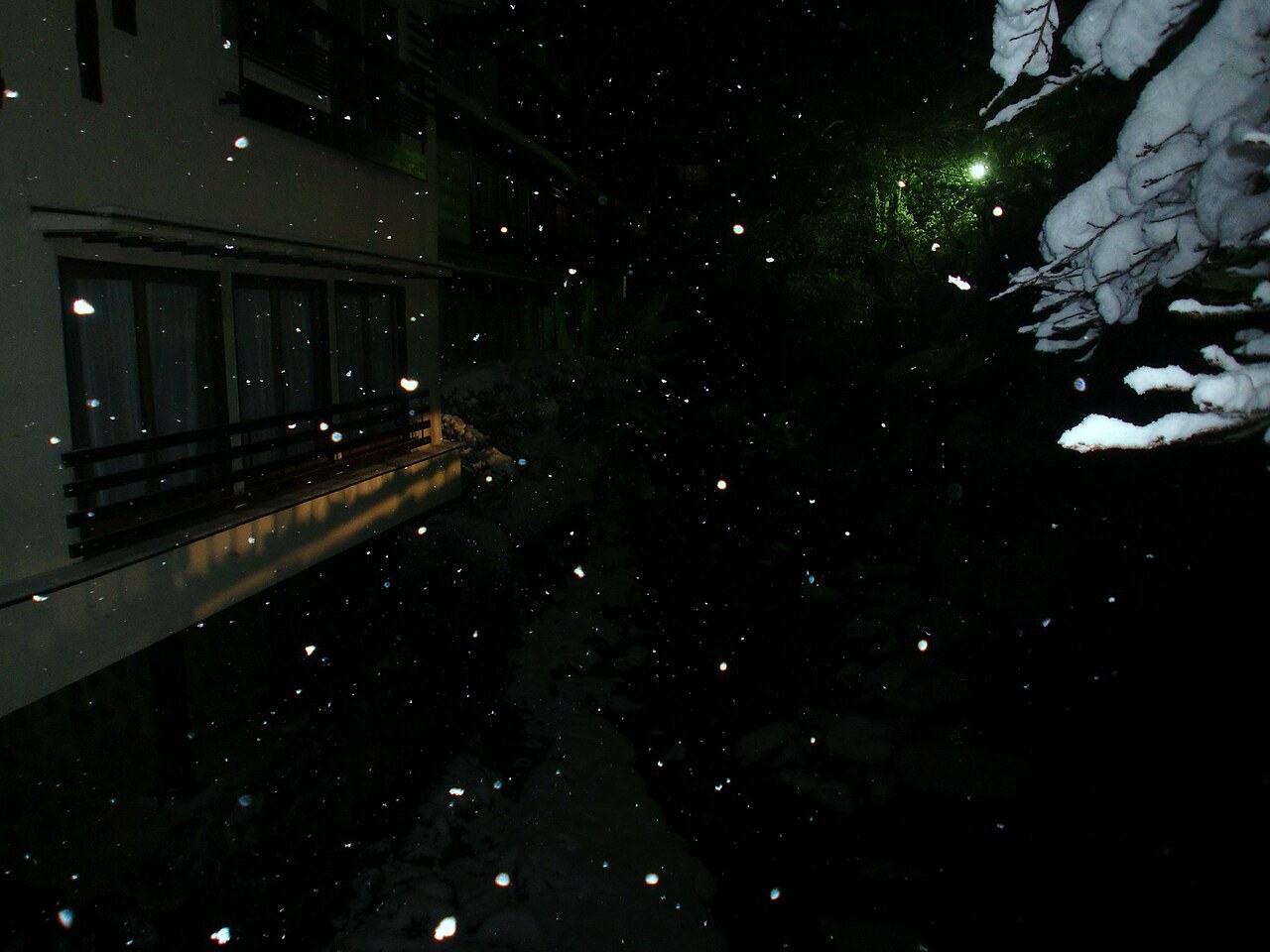

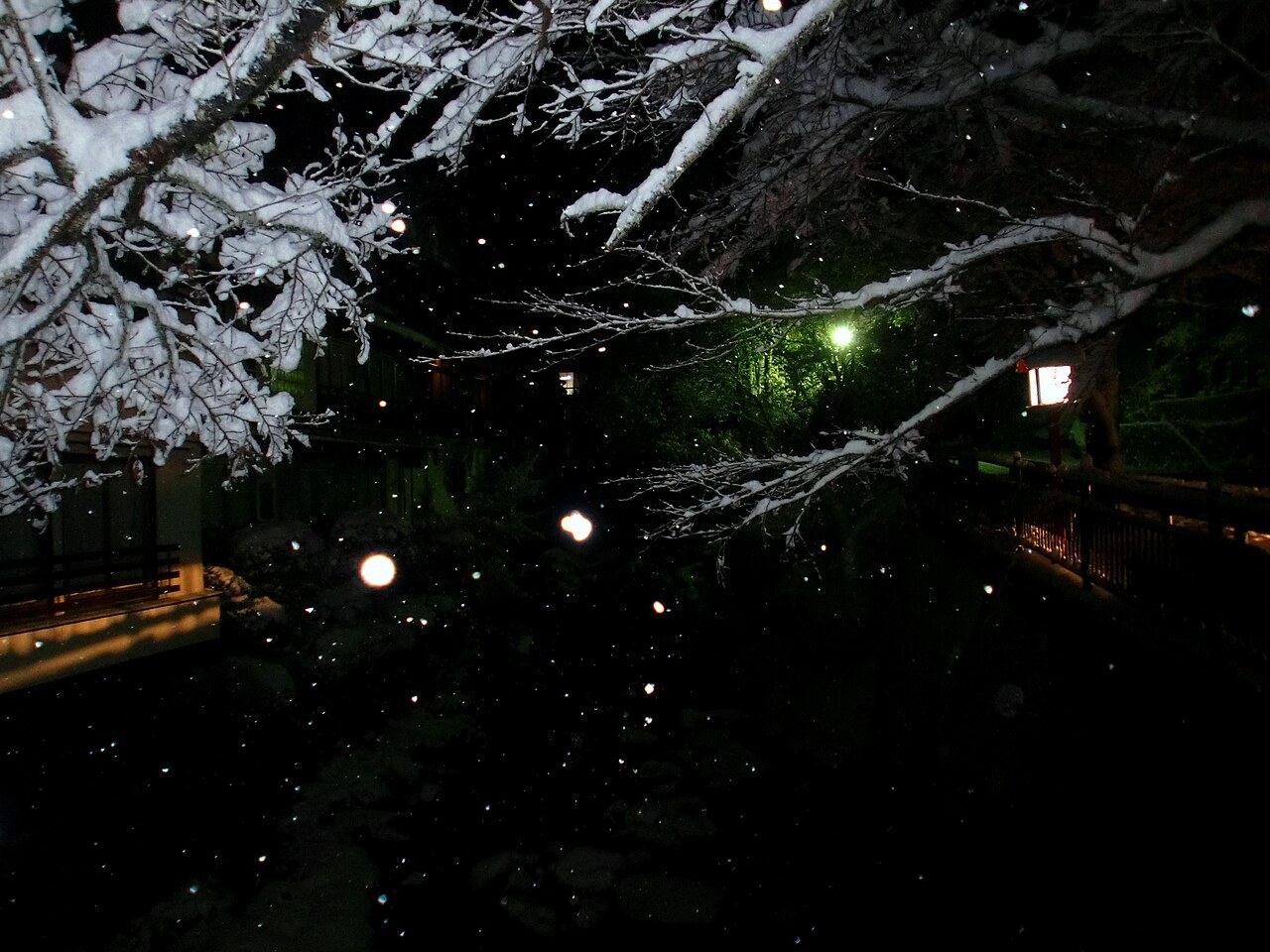

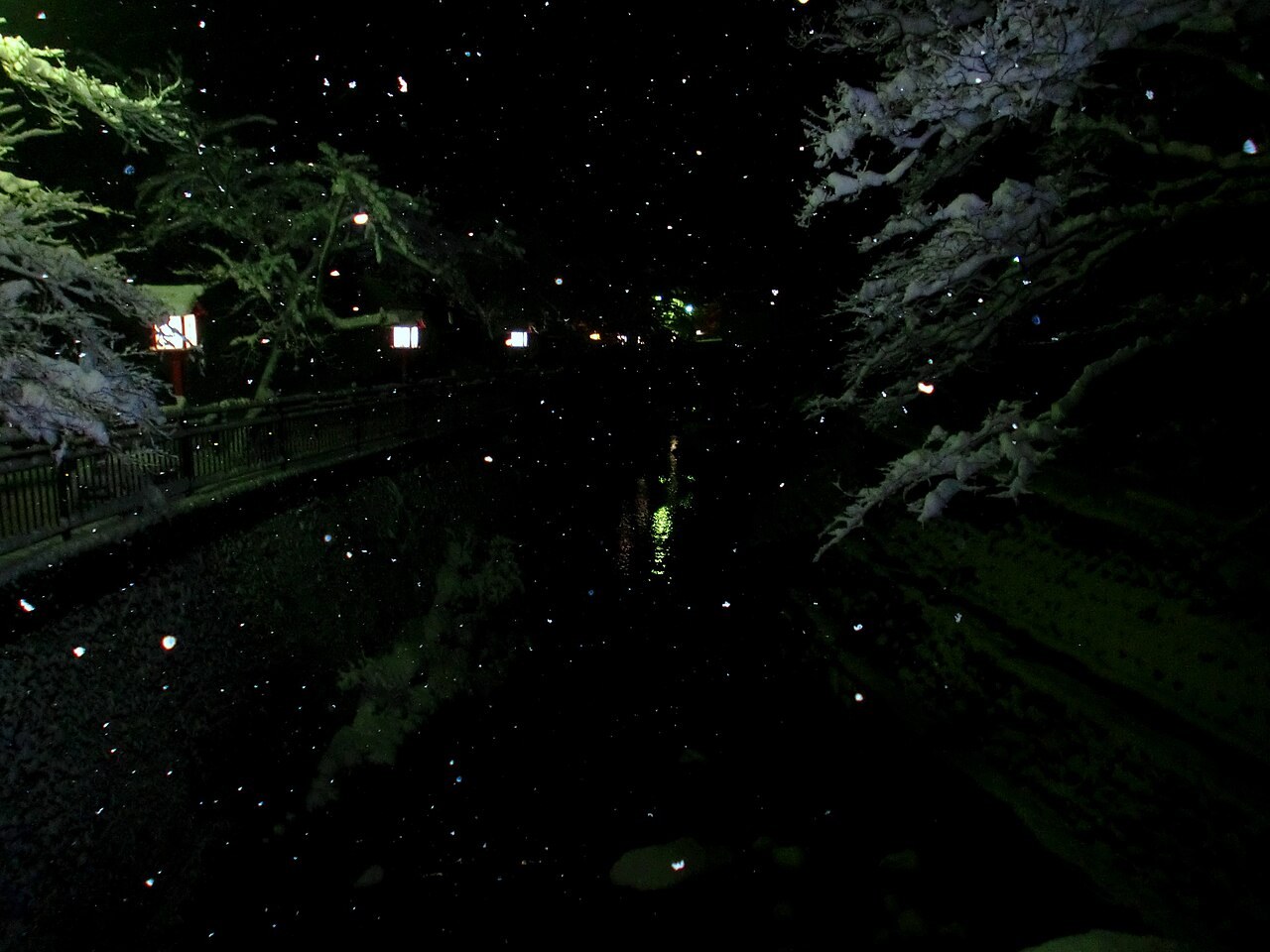

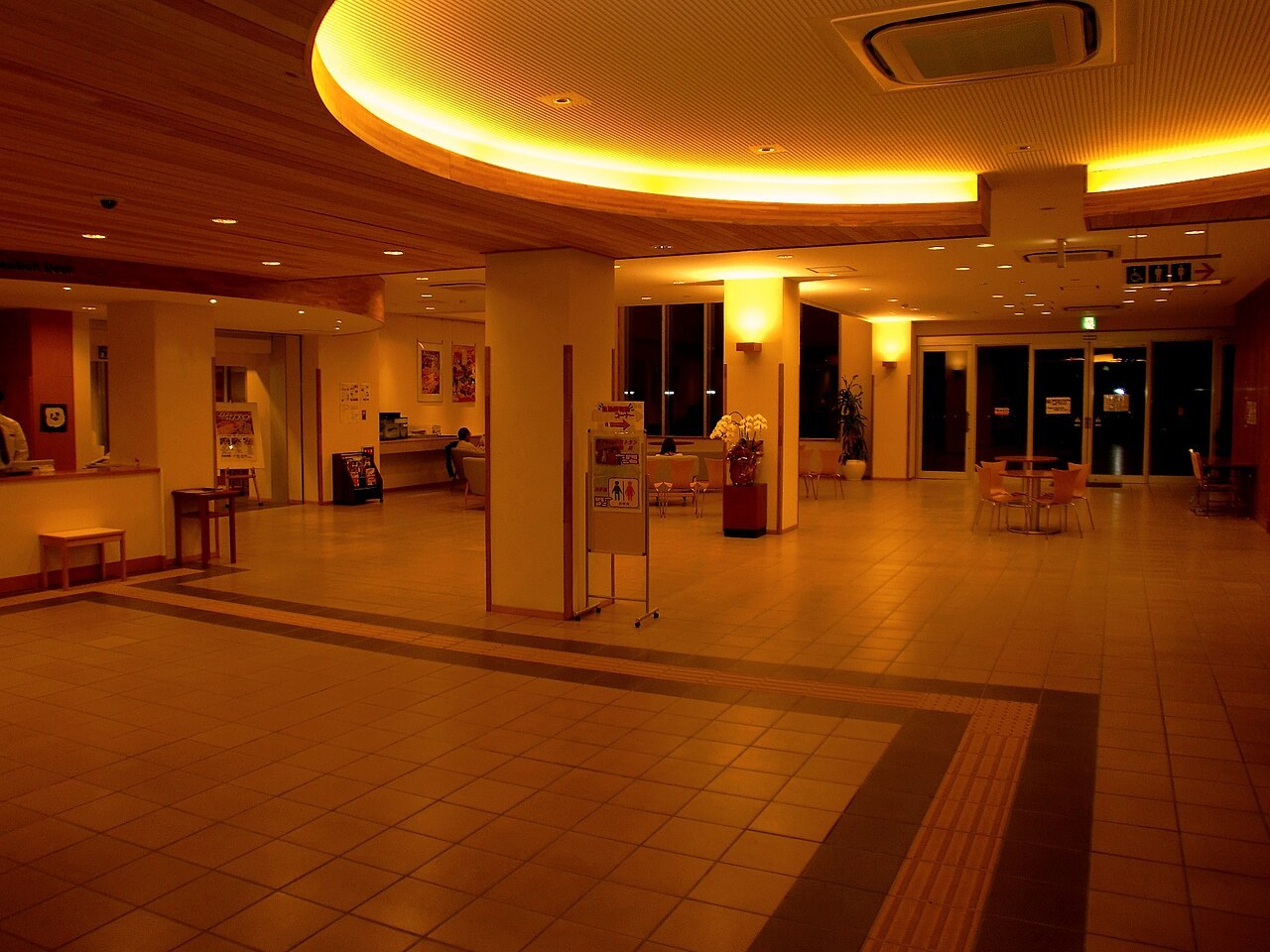

Names, types and websites are shown exactly as recorded in OpenStreetMap. A bathhouse whose spring type is not recorded is labelled as such — we do not guess. Before your first visit, read how to use an onsen.
More onsen towns
- Yuda Onsen 湯田温泉 — West to Yamaguchi's silky city spring
- Tamatsukuri Onsen 玉造温泉 — North across the mountains — Matsue's beautifying spring
- Misasa Onsen 三朝温泉 — Another famous radium-spring town, in Tottori
- Dogo Onsen 道後温泉 — Across the Seto Inland Sea — Shikoku's ancient spring
Keep exploring
- All onsen towns in Chugoku — this town's region, town by town
- Browse by spring type — find towns by their water
- Browse by feature — day trips, snow-view baths, free communal baths and more