Home › Onsen towns › Misasa Onsen
Misasa Onsen 三朝温泉
Misasa's springs line the Mitoku River in Tottori — chloride, simple and radioactive waters famous as one of the world's richest radon spring towns, about 25 minutes by bus from Kurayoshi Station. Pilgrims have soaked here on the way to Mount Mitoku's cliff temple for centuries. Below are the bathhouses, spring sources and onsen facilities recorded in OpenStreetMap within about 2 km of the town centre.
| Prefecture | Tottori |
|---|---|
| Region | Chugoku |
| Spring quality | Chloride springs, simple springs and radioactive (radon) springs |
| Source temperature | Varies by source along the river |
| Nearest station | Kurayoshi (JR San'in Main Line), then about 20–25 minutes by bus |
| From Tokyo | Fly to Tottori Airport (about 1 h 15 min) + bus, or about 6 hours by rail via Okayama |
| From Osaka | About 3 hours — Super Hakuto limited express to Kurayoshi + bus |
| Best season | Year-round — the riverside is loveliest in spring blossom and autumn colour |
| Places listed here | 4 |
| Public bathhouses | 2 |
| Hot spring sources | 2 |
Spring quality, source temperatures and access routes are drawn from the Japanese Wikipedia articles on each town (CC BY-SA 4.0) and the English articles credited below. Journey times are typical scheduled times for the routes named, rounded — always check current timetables before you travel.
About Misasa Onsen
Misasa Onsen (三朝温泉) is a hot-spring town in Misasa Town, Tottori Prefecture, strung along the Mitoku River. Unusually, it has three kinds of water in one resort: chloride springs, simple springs and radioactive (radon) springs, with source temperatures that vary by source along the river. It is one of Japan’s celebrated radon spring towns and part of the Tottori pear-blossom spring area.
Misasa is reached from Kurayoshi Station on the JR San’in Main Line, then about twenty to twenty-five minutes by bus. From Osaka the limited express to Kurayoshi and the bus take about three hours in total.
The water: chloride, simple and radon springs along one river
Most resorts are defined by a single spring type; Misasa is defined by three. The Japanese record lists chloride springs, simple springs and radioactive springs — the radon waters for which the town is best known — coexisting along the Mitoku River, and gives no single source temperature because the temperature varies by source. Which water you bathe in depends on which source feeds your bath.
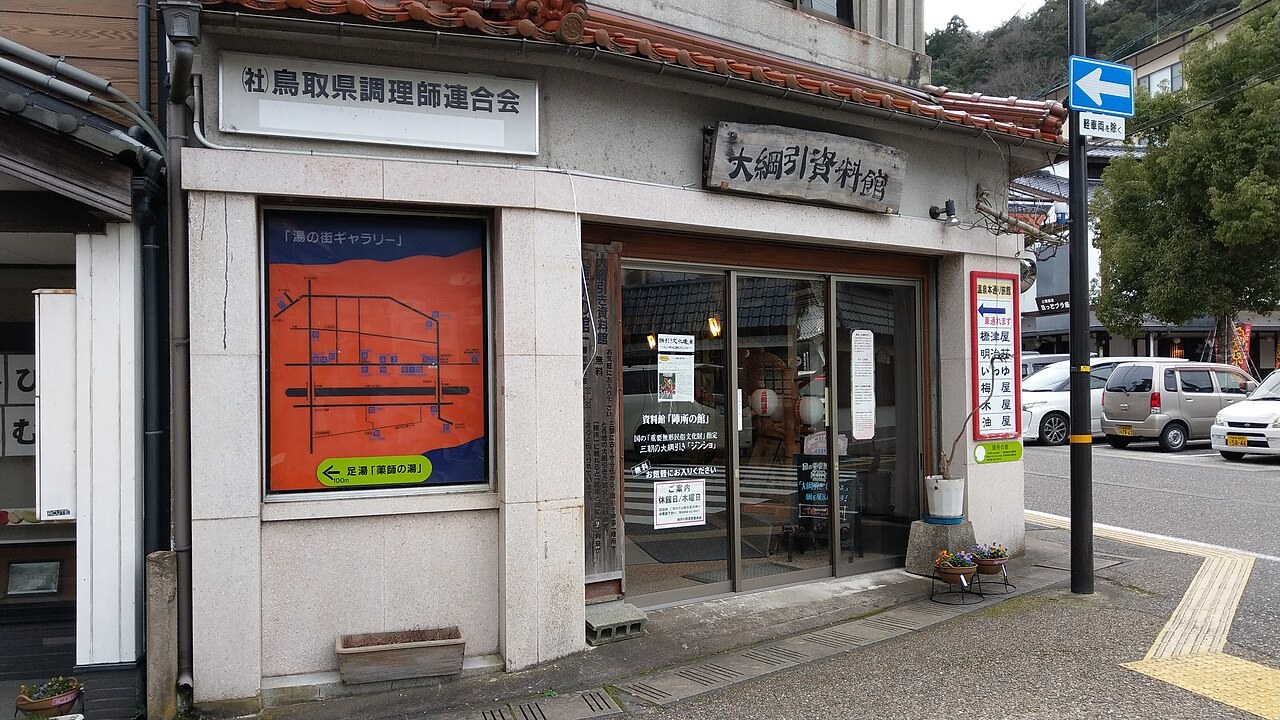
That variety shapes the town’s listings here: four places in total, with two public bathhouses and two hot-spring sources recorded in the map data, including a stock-bath source house and a footbath. The riverside open-air bath photographed in the article, facing the Mitoku River, is the image the town is known by.
A riverside town counted among Japan’s hundred fine views
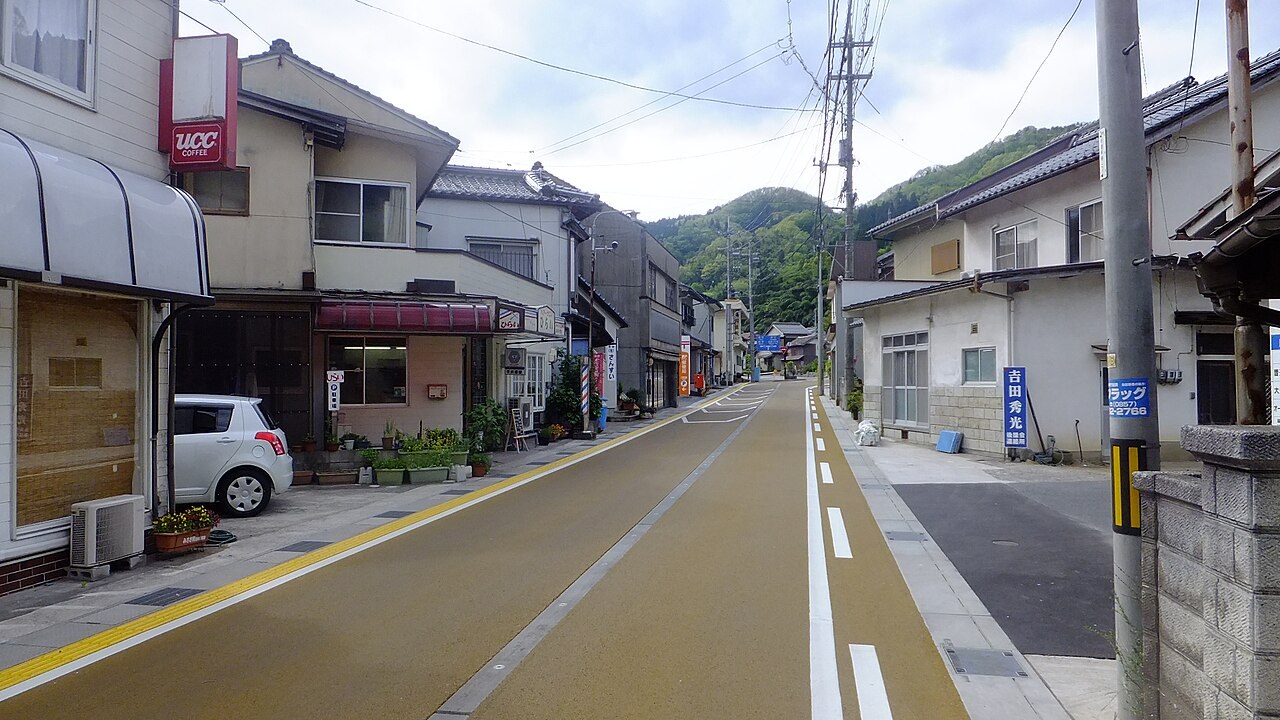
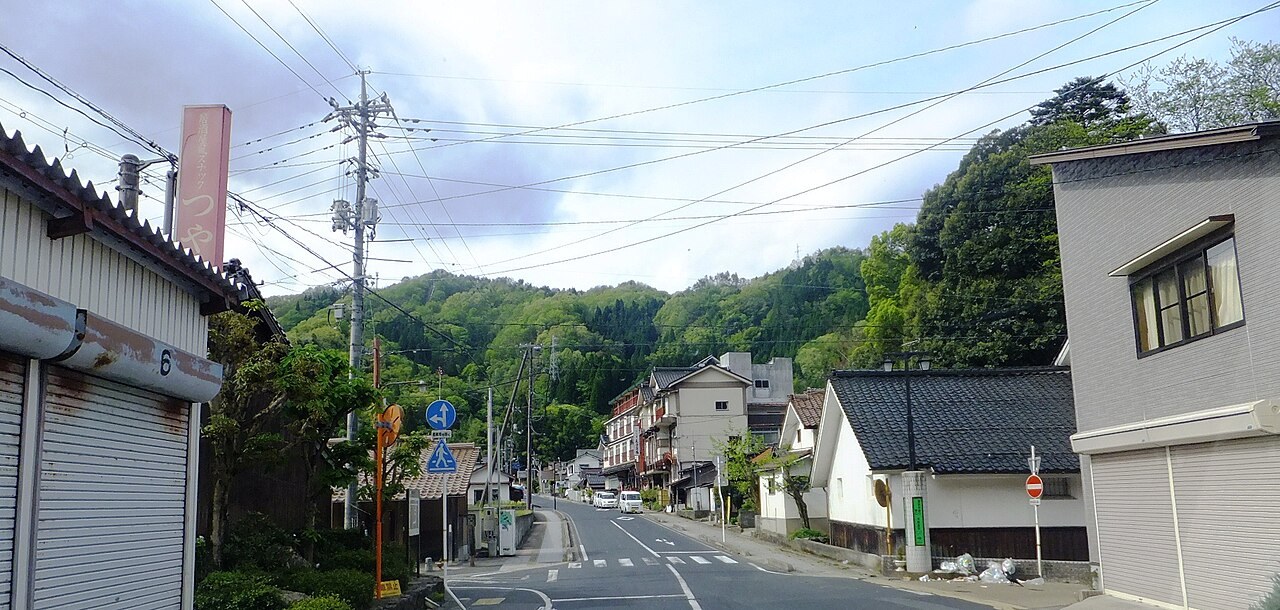
Misasa is listed among Japan’s one hundred scenic places, and the scenery in question is the river corridor itself: inns and baths along the Mitoku, with the water never far from the street. The town counted twenty-two lodging houses in the record, and its annual bathers were put at 289,719 in the statistics for 2023.
Within Tottori Prefecture, the article notes, Misasa’s annual bathing numbers stood second only to Kaike Onsen as of 2017 — a measure of how substantial this small river town is as a resort. It also belongs to the prefecture’s pear-blossom hot-spring area, the group of springs that share the Tottori pear country identity.
When to come: blossom and autumn colour on the Mitoku River
The listed best season for Misasa is year-round, with a rider: the riverside is loveliest in spring blossom and in autumn colour. A river resort changes with its banks, and those two seasons are when the Mitoku corridor itself is the attraction, with the baths as the second half of the day.
In practice that makes Misasa a two-part visit in any month — time along the river, and time in water drawn from it. The mix of spring types means a longer stay can also be a comparison: chloride water at one bath, a radon spring at another.
Getting there: Kurayoshi Station, then the bus to the river
From Osaka, the standard route is the Super Hakuto limited express to Kurayoshi and a bus onward, about three hours in all; the bus from Kurayoshi Station takes about twenty to twenty-five minutes. From Tokyo there are two patterns: fly to Tottori Airport, about one hour and fifteen minutes in the air, and continue by bus, or travel by rail via Okayama in about six hours.
Kurayoshi is the gateway either way. The last leg by bus is short, but it is what separates this San’in-line station town from the spa town in the valley, so check the connection when you plan the day.
The sections above were written for this guide from the facts in the Japanese Wikipedia article 「三朝温泉」 and the spring and access data summarised on this page, under CC BY-SA 4.0.
Public bathhouse (recorded as onsen in OpenStreetMap) (2)
- Ashiyu (Kabu-yu) 足湯(株湯)
OpenStreetMap - Kabu-Yu 株湯
OpenStreetMap
Hot spring source (2)
- Kabu-yu Insenjo 株湯飲泉所
OpenStreetMap - 足湯
OpenStreetMap
Gallery


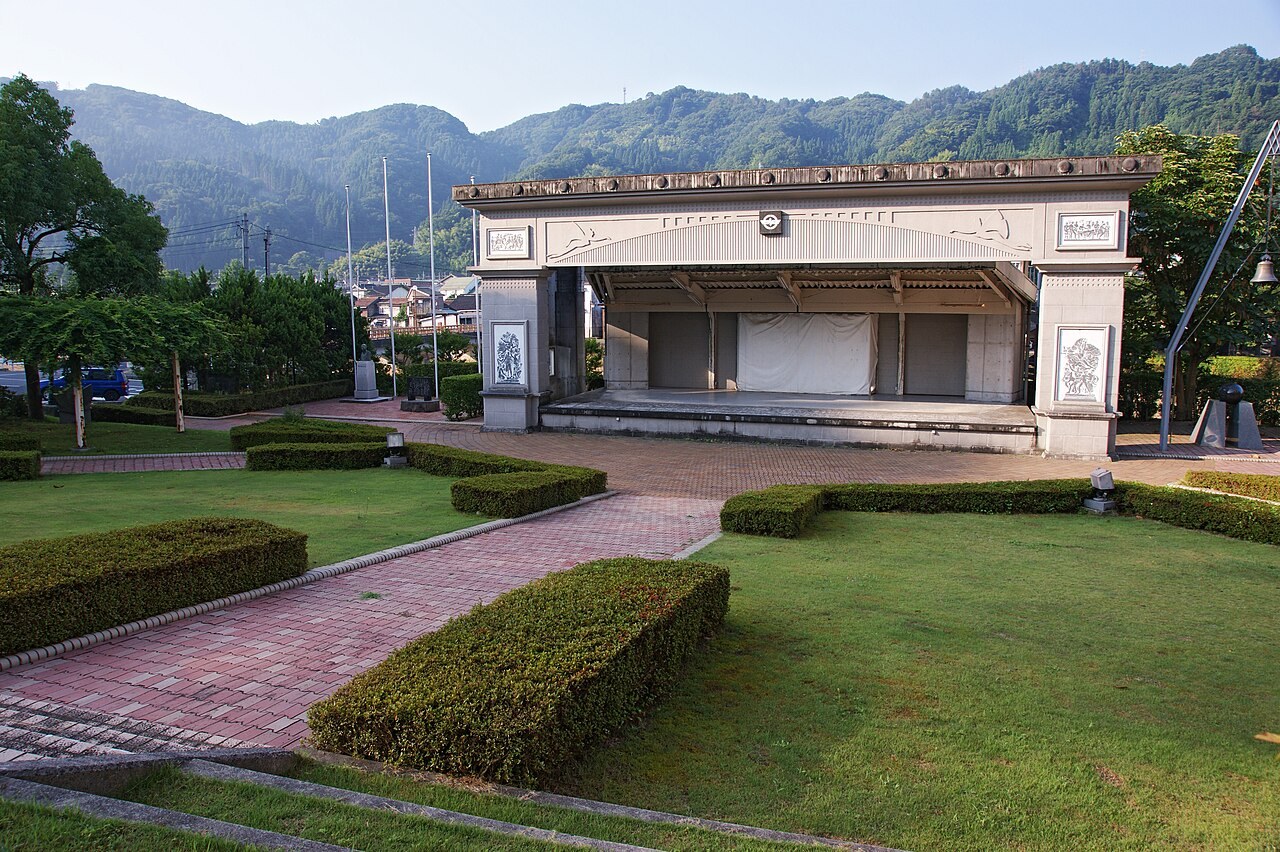

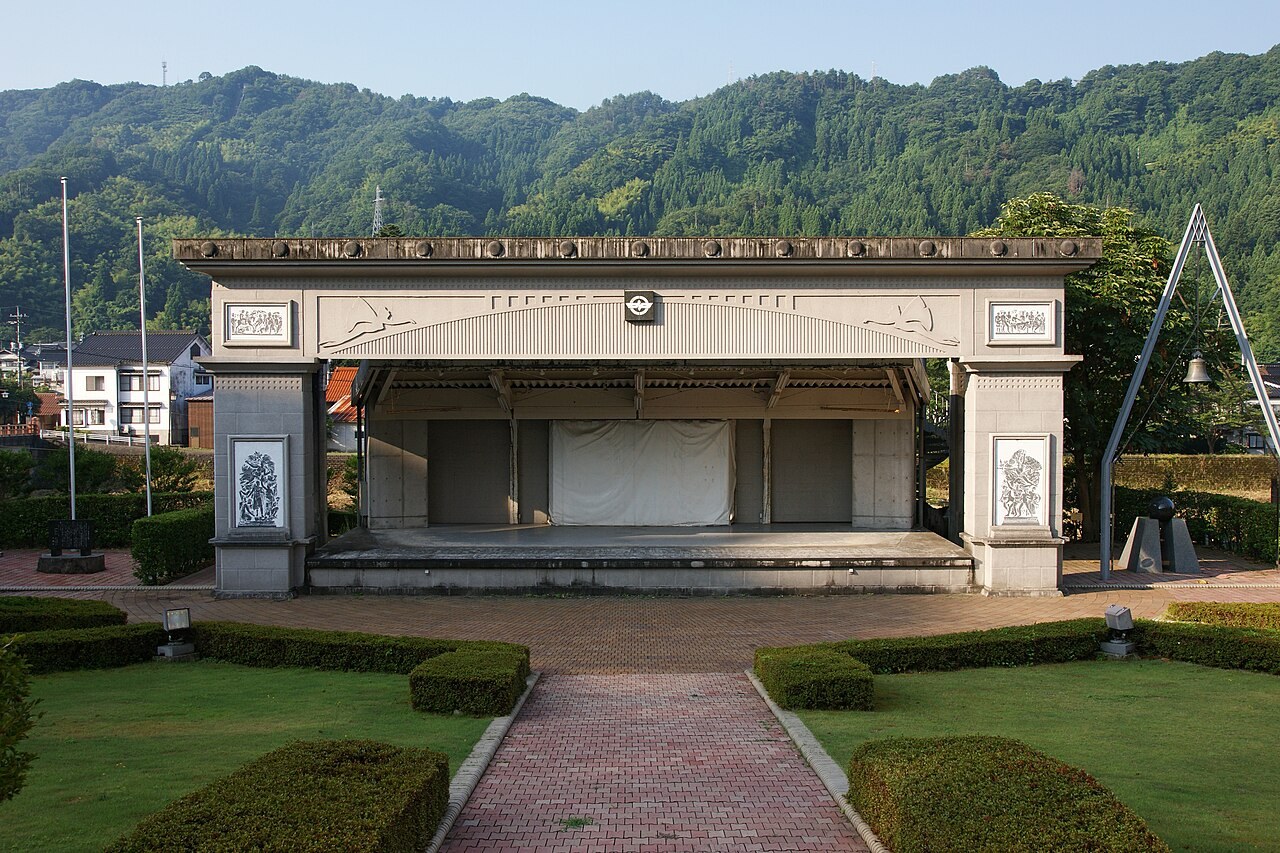

Names, types and websites are shown exactly as recorded in OpenStreetMap. A bathhouse whose spring type is not recorded is labelled as such — we do not guess. Before your first visit, read how to use an onsen.
More onsen towns
- Tamatsukuri Onsen 玉造温泉 — East along the San'in — Matsue's ancient skin-beautifying spring
- Yubara Onsen 湯原温泉 — South into Okayama's mountains — the great river open-air bath
- Kinosaki Onsen 城崎温泉 — The San'in coast's other great public-bath town
- Yunoyama Onsen 湯の山温泉 — Another celebrated radium spring, in the Mie mountains
Keep exploring
- All onsen towns in Chugoku — this town's region, town by town
- Browse by spring type — find towns by their water
- Browse by feature — day trips, snow-view baths, free communal baths and more