Home › Onsen towns › Yugawara Onsen
Yugawara Onsen 湯河原温泉
Japan's oldest anthology already sings of this water: the Man'yoshu poem on 'the spring that wells in Ashigara's Doi valley' is Yugawara, where simple, weak-salt and gypsum springs at 30 to 88 °C line the Chitose River valley behind Sagami Bay. Soseki wrote his last novel here; the ryokan town that writers chose over brash Atami still keeps its quiet, literary air.
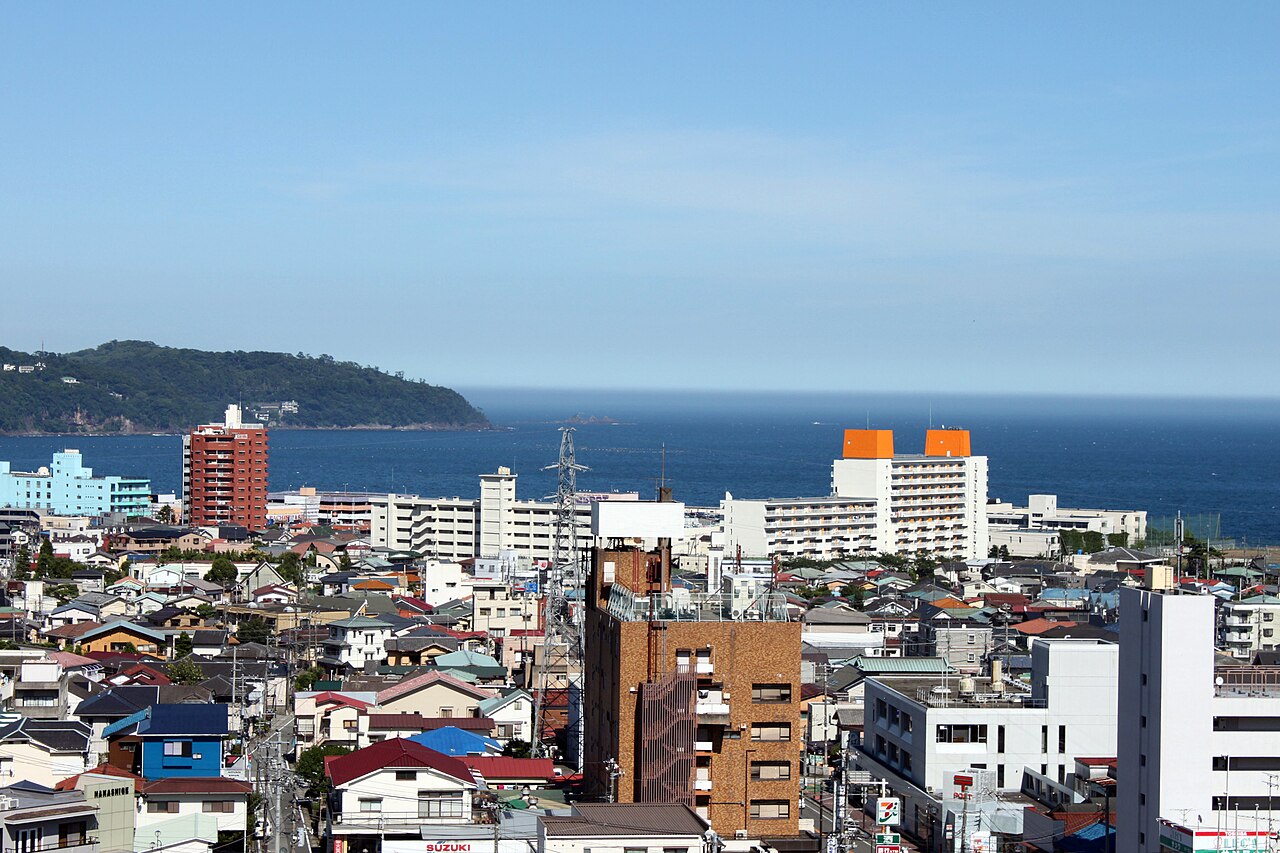
| Prefecture | Kanagawa |
|---|---|
| Region | Kanto |
| Spring quality | Simple springs, weak chloride (salt) springs and gypsum (sulphate) springs, varying by source |
| Source temperature | 30–88 °C, varying by source |
| Nearest station | Yugawara (JR Tokaido Main Line), then about 5 minutes by taxi or 10 minutes by bus into the valley |
| From Tokyo | About 1 hour 30 minutes — Tokaido Line / Odoriko limited express to Yugawara + local bus |
| From Osaka | About 3 hours 30 minutes — Tokaido Shinkansen to Odawara or Atami + Tokaido Line + bus |
| Best season | Late winter for plum blossom in the Makuyama park; early summer hydrangea; year-round as a quiet alternative to Atami |
Spring quality, source temperatures and access routes are drawn from the Japanese Wikipedia articles on each town (CC BY-SA 4.0) and the English articles credited below. Journey times are typical scheduled times for the routes named, rounded — always check current timetables before you travel.
About Yugawara Onsen
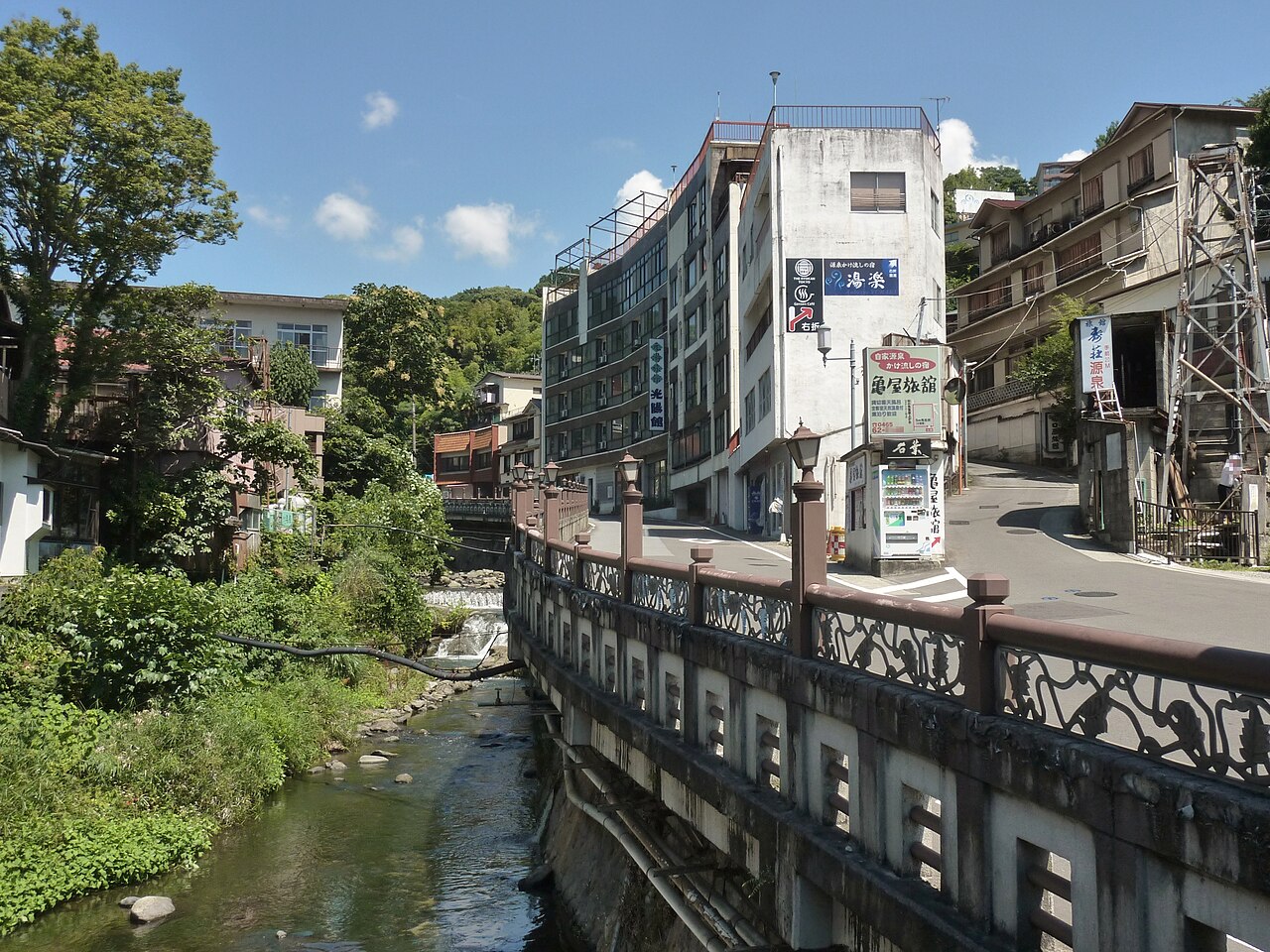
Yugawara Onsen (湯河原温泉) is the hot spring quarter of Yugawara Town in the far south-west of Kanagawa, climbing the Chitose River valley from the Sagami Bay coast into the eroded caldera of the long-extinct Yugawara volcano. The name covers the whole valley system — Oku-Yugawara at the head, the main Yugawara streets, Hama-Yugawara by the sea and Izu-Yugawara just across the Atami border.
Its founding legends compete — the ascetic En no Gyoja, the priest Gyoki, Kobo Daishi, even a tanuki — but its documentary fame is older than any of them: a poem in the 8th-century Man'yoshu anthology is read as singing of these springs, and a stone monument to the poem stands in Manyo Park, at the valley's heart.
The water: a volcano's mixed inheritance
Yugawara's sources are varied because its geology is: springs inside the old caldera give simple waters, weak salt (chloride) waters and gypsum (calcium-sulphate) waters, at temperatures from 30 to 88 °C depending on the well. No single 'Yugawara water' exists — each inn's blend is its own, traditionally reputed in folk use for skin complaints, muscle pain and sensitivity to cold.
The valley setting does the rest: the bath towns of the Chitose gorge are green and enclosed, minutes from the sea air of the coast — bathers have always paired a valley soak with Sagami Bay's fish at dinner.
The writers' town: Soseki, Doppo and the quiet valley
From the Meiji era, Yugawara became the writers' alternative to Atami's big hotels: a town of Japanese inns in a valley, made for staying and working. Kunikida Doppo spent his last years here and wrote the short pieces 'From Yugawara' and 'To Yugawara'; Natsume Soseki wrote Meian, his final, unfinished novel, while staying in town.
Shimazaki Toson, Akutagawa Ryunosuke and Tanizaki Junichiro all came. The town keeps the association gently — the Doppo no Yu footbath in Manyo Park is named for Kunikida, a broad open-air footbath complex under the trees where the valley walk begins.
Manyo Park and the day baths
Manyo Park, planted with the plants named in the anthology, is the town's green centre, holding the Man'yoshu poem monument and the Doppo no Yu footbath. Five day-bathing facilities serve visitors, including the town-run Kogome no Yu and Miyakami no Yu.
The walk from the station side to the 'onsen-ba', the old centre, takes about 30 minutes uphill along the river — the gradient is the town's history in cross-section, from seaside Yoshihama to the deep-valley inns of Oku-Yugawara below the Hakone passes.
Getting there
Yugawara Station is on the JR Tokaido Main Line. Buses from the station run up the valley (about 10 minutes to the centre, bound for Oku-Yugawara or Fudotaki); a taxi takes about five minutes, and the walk to the park is about 15 minutes to the valley entrance. Tokyo is about 80–90 minutes by limited express or rapid train.
The sections above were written for this guide from the facts in the Wikipedia articles 「湯河原温泉」, available under CC BY-SA 4.0, and official tourism sources.
Gallery


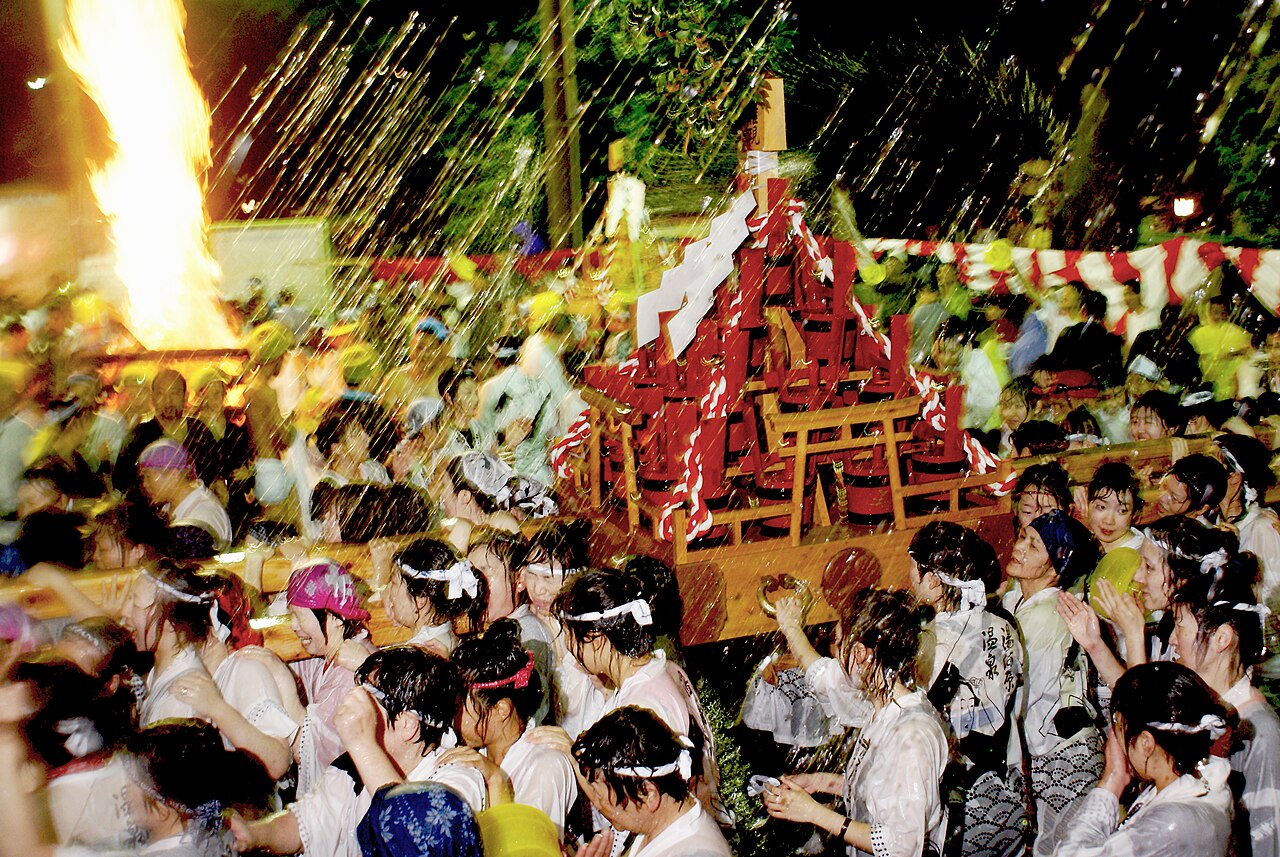

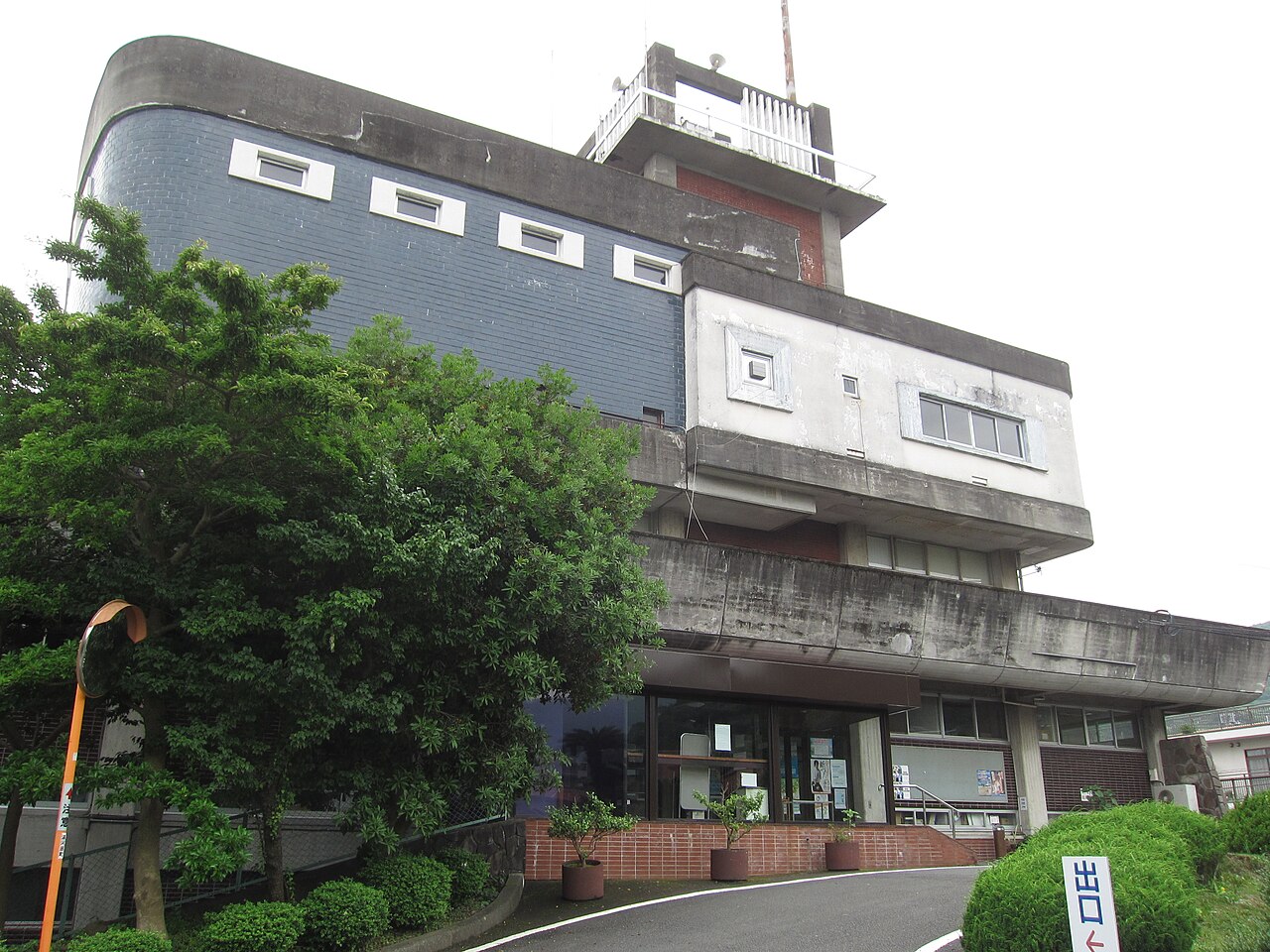

The springs and baths named on this page are described from the Wikipedia articles credited above and official tourism sources. Before your first visit, read how to use an onsen.
More onsen towns
- Hakone Onsen 箱根温泉 — Over the pass — Kanagawa's mountain giant, the natural pairing
- Atami Onsen 熱海温泉 — The big-resort neighbour across the bay hills — contrast guaranteed
- Shuzenji Onsen 修善寺温泉 — Izu's other literary old town, down the peninsula
- Kinugawa Onsen 鬼怒川温泉 — Tochigi's river resort for a Kanto comparison
Keep exploring
- All onsen towns in Kanto — this town's region, town by town
- Browse by spring type — find towns by their water
- Browse by feature — day trips, snow-view baths, free communal baths and more