Home › Onsen towns › Kinugawa Onsen
Kinugawa Onsen 鬼怒川温泉
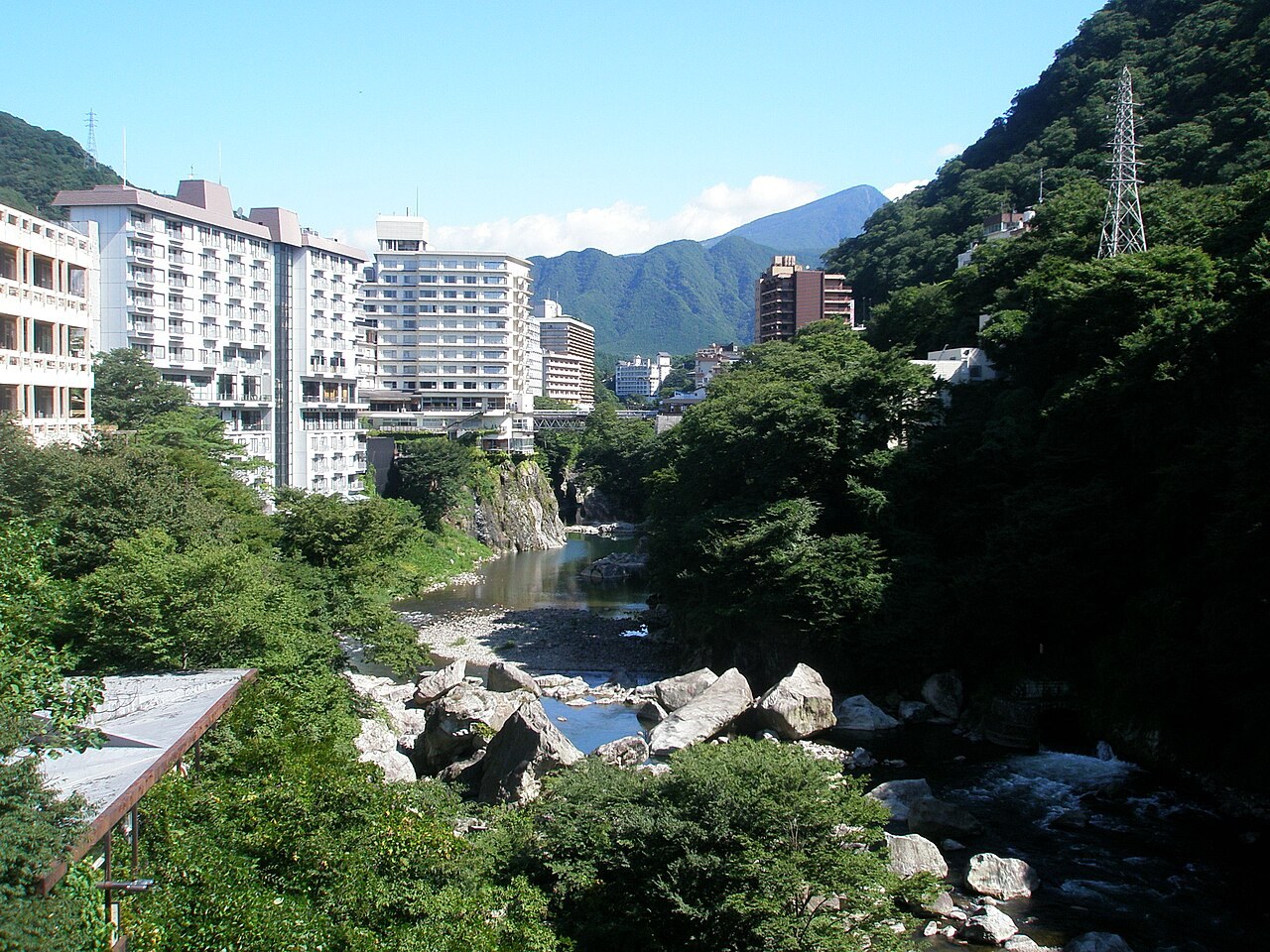
Kinugawa's gentle alkaline simple springs line both banks of the Kinugawa gorge in Nikko, Tochigi — a resort that was reserved for daimyo and monks for over a century and is now about two hours by direct limited express from Asakusa. Some forty hotels and inns face the river, with a 140-metre suspension bridge, boat rides and Nikko's shrines all at hand.
| Prefecture | Tochigi |
|---|---|
| Region | Kanto |
| Spring quality | Alkaline simple spring (colourless, mild and soft on the skin; traditionally reputed for burns) |
| Source temperature | About 25–55 °C at source, varying by source (32 sources, about 3,573 litres a minute in total) |
| Nearest station | Kinugawa-Onsen (Tobu Kinugawa Line) — the town is at the station |
| From Tokyo | About 2 hours — Tobu limited express direct from Asakusa (or JR/Tobu limited express from Shinjuku) |
| From Osaka | About 4 hours 30 minutes to 5 hours via Tokyo (Tokaido Shinkansen + Tobu limited express) |
| Best season | Late October to mid-November for gorge autumn colour and boat rides; summer for rafting and fireworks; a year-round resort |
Spring quality, source temperatures and access routes are drawn from the Japanese Wikipedia articles on each town (CC BY-SA 4.0) and the English articles credited below. Journey times are typical scheduled times for the routes named, rounded — always check current timetables before you travel.
About Kinugawa Onsen
Kinugawa Onsen (鬼怒川温泉) is a hot spring resort on the upper Kinugawa River in Nikko City, Tochigi. Its first spring, found in 1691 on the west bank, was called Taki Onsen, and from 1751 the area lay under the Nikko magistrate inside shrine-and-temple territory — so for more than a century only daimyo and monks returning from pilgrimages to Nikko were allowed to bathe. An east-bank spring, Fujiwara Onsen, followed in early Meiji, and in 1927 the two were united under the present name, Kinugawa Onsen.
The Tobu railway arrived in 1929 and post-war limited expresses made the town, with Hakone and Atami, one of Tokyo's classic inner-parlour resorts. The water itself is the opposite of dramatic: a colourless alkaline simple spring, soft and mild — the old saying pairs the neighbours, Kawaji for cuts, Taki (Kinugawa) for burns.
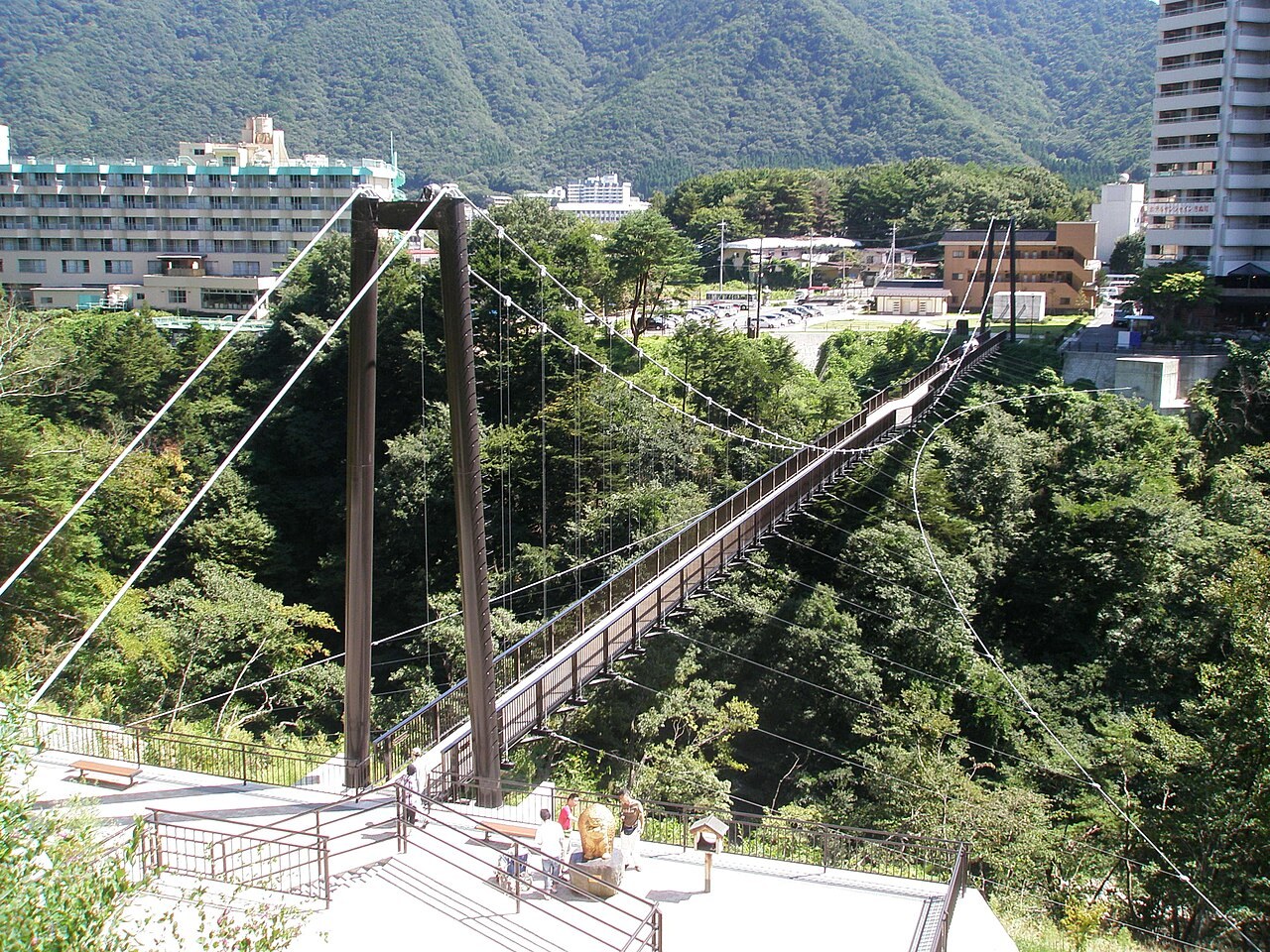
The gorge town today
About forty hotels and ryokan stand along the gorge, most of them large, river-facing and increasingly rebuilt around room-attached open-air baths for individual travellers. The town also keeps a municipal public bath and footbaths, including the ashiyu at the station front — the easiest first soak for a day visitor.
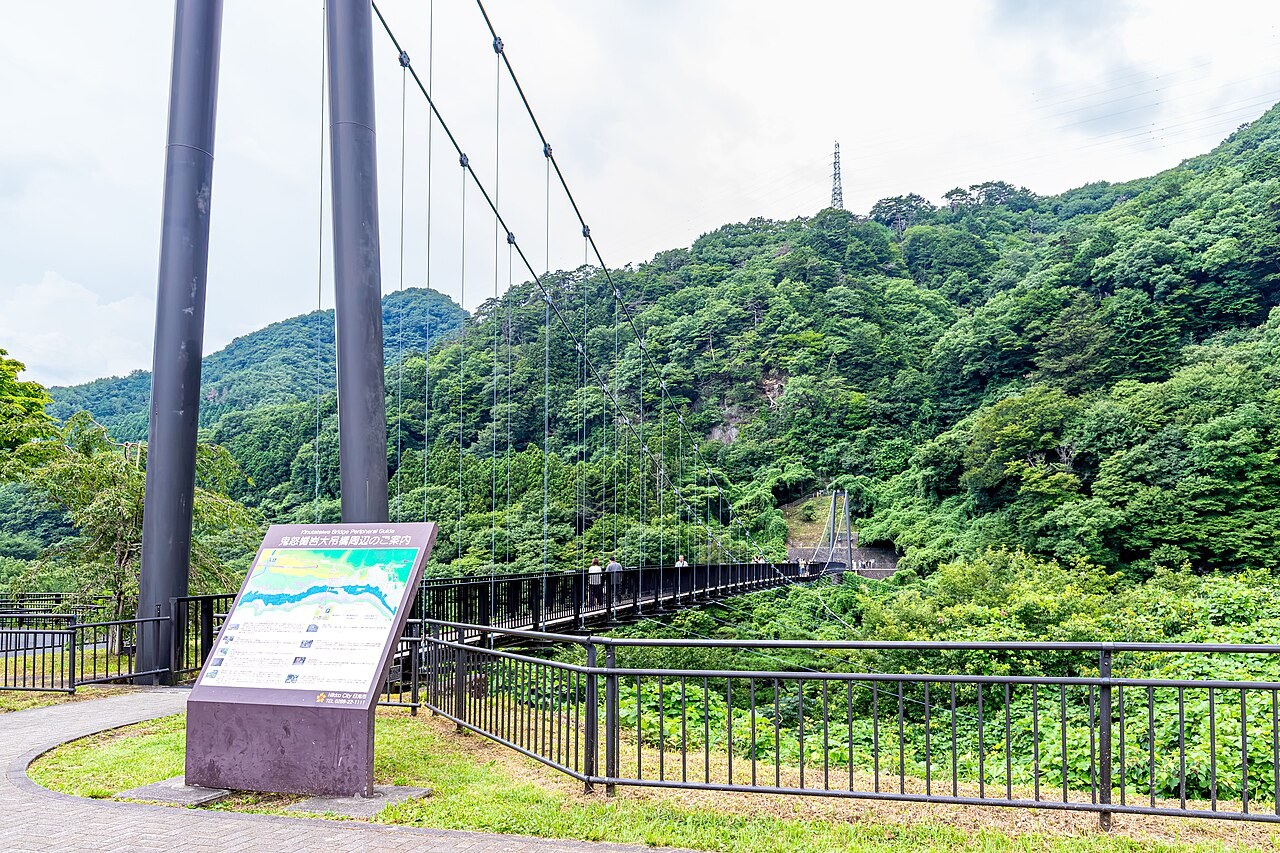
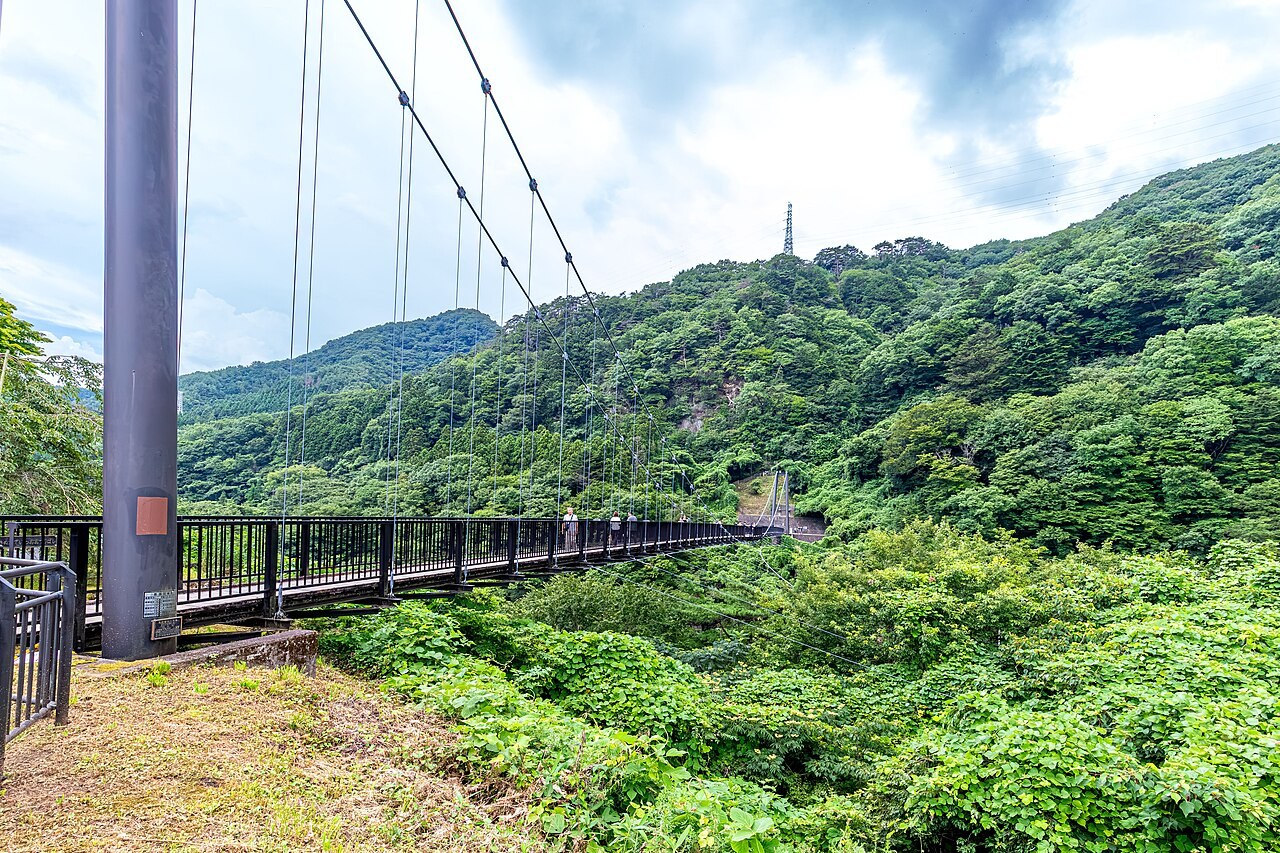
The postcard view is the Kinu-Tateiwa Otsuribashi, a 140-metre pedestrian suspension bridge hanging some 40 metres above the river, leading to Tateiwa, a shield-shaped rock about 70 metres high with an observatory beyond it. Downstream, the Ryuokyo gorge between Kinugawa and Kawaji offers riverside walking trails, and Kinugawa line-kudari boats and rafts run the rapids below the hotels in season.
Boom, bust and revival
Kinugawa's modern history is written on its gorge walls. Developed heavily in the 1970s and bubble years for group tours, the resort was hit hard by the 1990s recession and by the 2003 failure of its main lender, Ashikaga Bank; some gorge-side hotels were left derelict, and a 2005 book on Japan's ugliest places made the town a national symbol of the bubble's hangover.
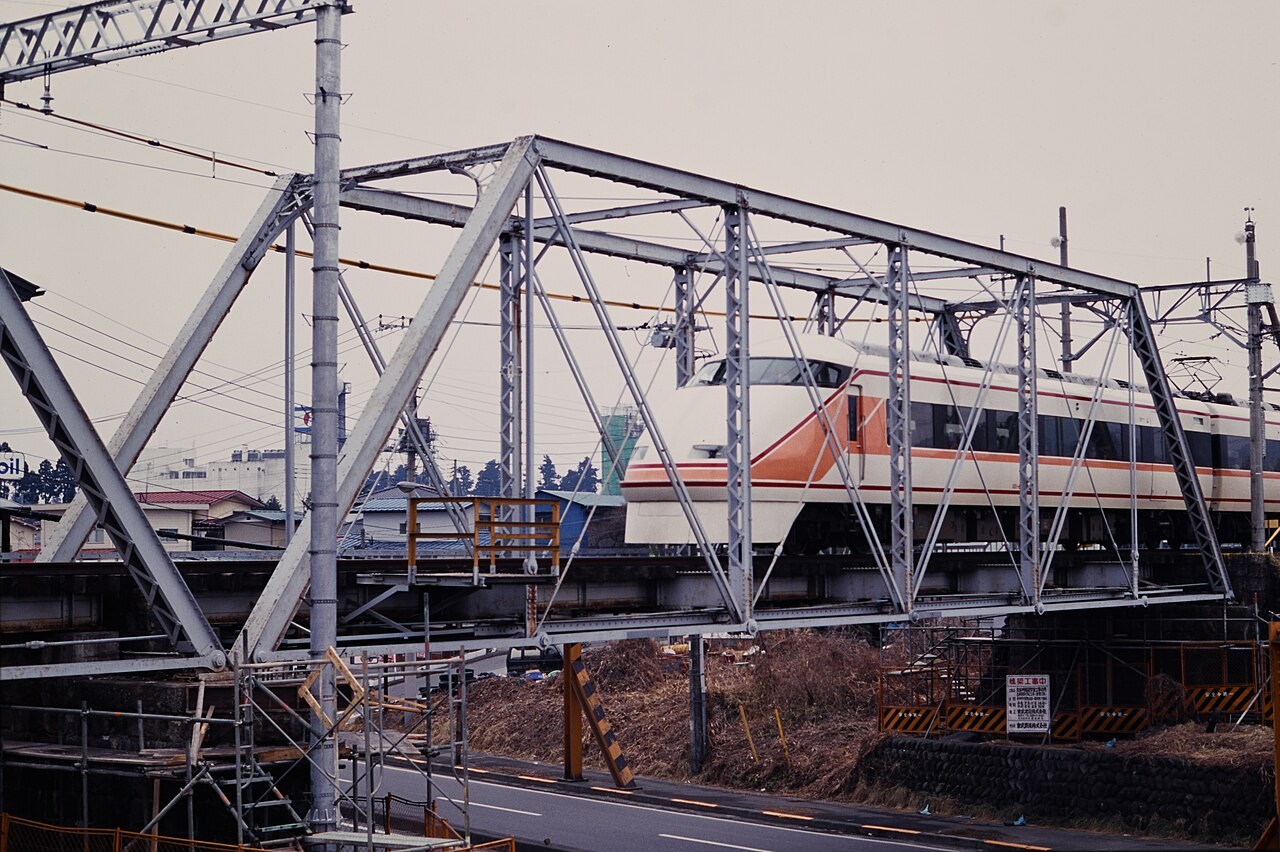
The recovery since has been deliberate: a pivot from banquet groups to individual guests, new room-attached baths, inbound visitors, and better trains — the SL Taiju steam service from 2017 and a new station for Tobu World Square. Visitor numbers, once over two million stays a year, are rebuilding on a different model.
Theme parks and Nikko next door
Two of Japan's best-known theme parks sit minutes from the baths. Edo Wonderland Nikko Edomura recreates an Edo-period town with ninja, samurai and oiran shows; Tobu World Square displays 102 UNESCO World Heritage sites as 1:25 scale models populated by 140,000 miniature people. Together with the shrines and temples of Nikko itself, they make Kinugawa the natural overnight base for the whole Nikko area — bathe in the gorge at night, sightsee by day.
Getting there
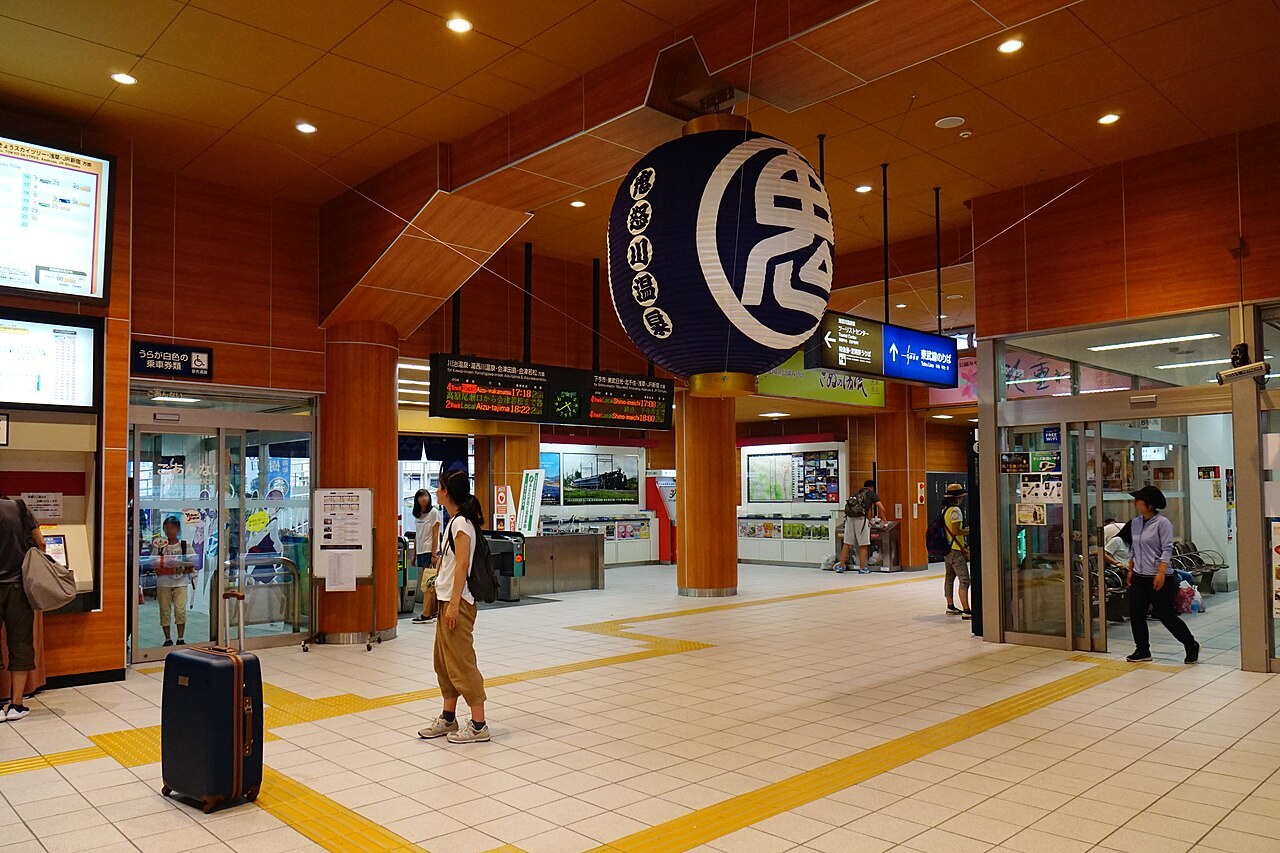
Kinugawa-Onsen Station stands in the centre of town: hotels line the river within walking distance or a short local bus hop. Tobu limited expresses (Spacia X, Kinu, Revaty Kinu) run direct from Asakusa in about two hours; JR's Kinugawa limited express from Shinjuku uses the same tracks under a joint JR–Tobu service. Kinugawa-Koen Station, one stop south, serves the southern hotels, and the Yagan Railway's Aizu Kinugawa Line continues north towards Aizu. From Osaka, allow about five hours via Tokyo.
The sections above were written for this guide from the facts in the Wikipedia articles Kinugawa Onsen and 「鬼怒川温泉」, available under CC BY-SA 4.0, and official tourism sources.
Gallery




The springs and baths named on this page are described from the Wikipedia articles credited above and official tourism sources. Before your first visit, read how to use an onsen.
More onsen towns
- Nasu Onsen 那須温泉郷 — Tochigi's other spring country — the highland villages above the plain
- Ikaho Onsen 伊香保温泉 — Gunma's stone-step town — the other classic Tokyo escape
- Hakone Onsen 箱根温泉 — The great caldera resort — Tokyo's most famous onsen neighbour
- Yoro Keikoku Onsen 養老渓谷温泉 — Another river gorge of springs, in the Boso hills of Chiba
Keep exploring
- All onsen towns in Kanto — this town's region, town by town
- Browse by spring type — find towns by their water
- Browse by feature — day trips, snow-view baths, free communal baths and more