Home › Onsen towns › Yoro Keikoku Onsen
Yoro Keikoku Onsen 養老渓谷温泉
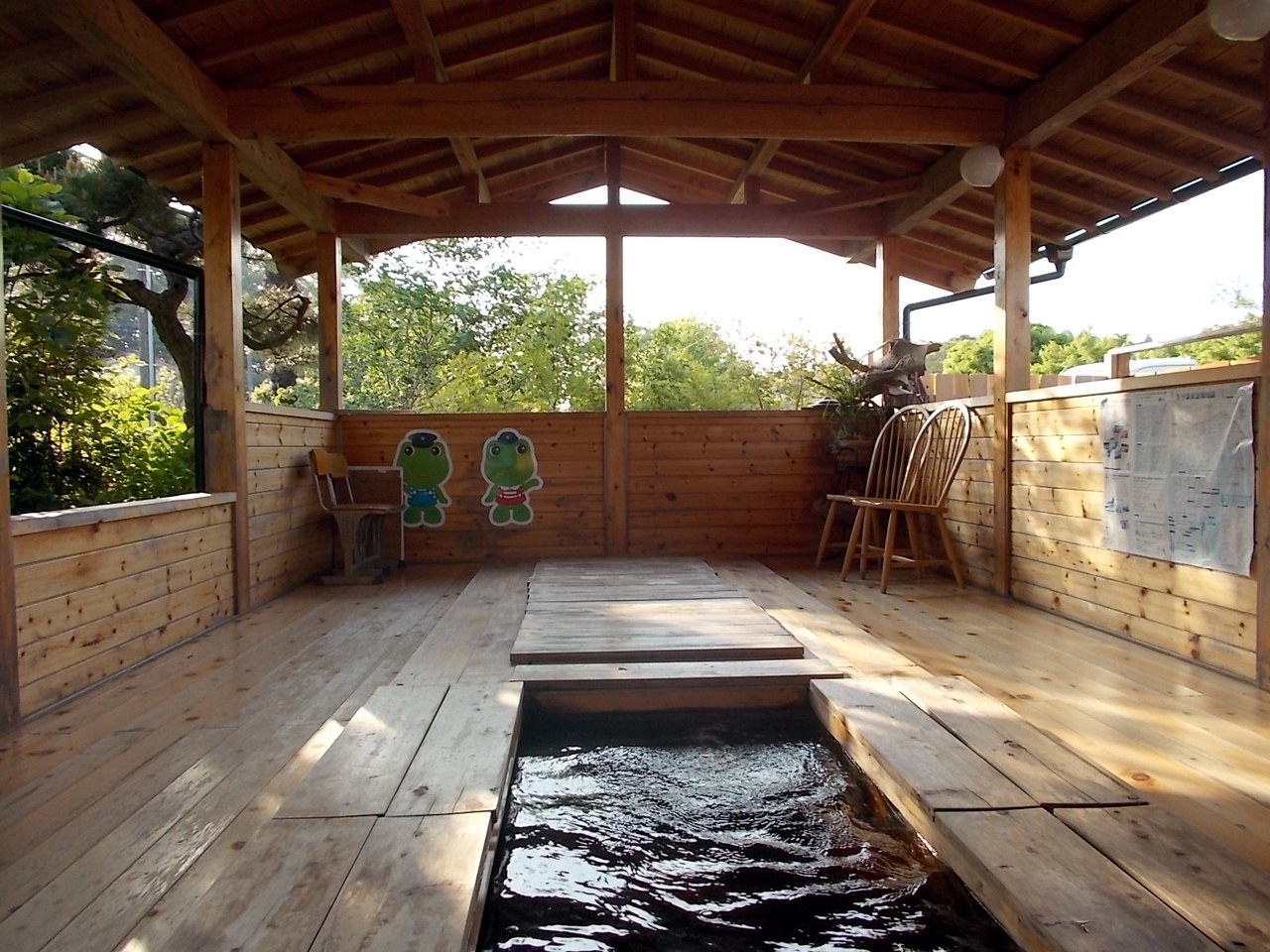
Yoro Keikoku's inns line the Yoro River gorge in the Boso hills of Chiba, a short bus ride from Yoro Keikoku Station on the Kominato Railway. The springs here are famous 'black water' — cool chloride and bicarbonate sources, 19–25 °C at the wellhead and tea-brown in the tub, heated for bathing. Below are the inns of the valley confirmed on official sources — their own websites and the prefectural tourism site — listed by hand, because this valley's springs were not recorded in OpenStreetMap.
| Prefecture | Chiba |
|---|---|
| Region | Kanto |
| Spring quality | Chloride and bicarbonate springs — dark brown 'black water' (kuro-yu) |
| Source temperature | 19–25 °C at source (cool springs, heated for bathing) |
| Nearest station | Yōrō Keikoku (Kominato Railway, from Goi on the JR Uchibō Line) |
| From Tokyo | About 2 hours 30 minutes — JR to Goi + Kominato Railway, or highway bus |
| From Osaka | About 6 hours via Tokyo |
| Best season | Autumn — the Yoro Valley is Chiba's most famous maple gorge; spring for fresh green |
| Facilities listed below | 4 — confirmed on official sources (not OpenStreetMap) |
Spring quality, source temperatures and access routes are drawn from the Japanese Wikipedia articles on each town (CC BY-SA 4.0) and the English articles credited below. Journey times are typical scheduled times for the routes named, rounded — always check current timetables before you travel.
About Yoro Keikoku Onsen
Yoro Keikoku Onsen (養老渓谷温泉) is a hot-spring area along the Yoro River in Chiba Prefecture, spanning Ichihara City and the town of Otaki in the hills of the Boso Peninsula. Some dozen or more ryokan and minshuku are scattered along the river through the gorge. The springs are chloride and bicarbonate waters of the dark brown kind known as ‘black water’, emerging cool at 19 to 25 °C and heated for bathing.
The country around the inns is protected: the area is designated the Chiba Prefectural Yoro Keikoku Oku-Kiyosumi Nature Park, and selected among the ‘500 charms of Boso’. The gateway station is Yoro Keikoku, on the Kominato Railway inland from Goi — about 2 hours 30 minutes from Tokyo.
Black water: cool springs, dark as tea
The Yoro Valley’s water belongs to a type prized across the Boso Peninsula and the Tokyo region: kuro-yu, ‘black water’, stained dark brown by the organic matter it carries from ancient layers of the earth. At Yoro Keikoku the springs are of two recorded kinds — chloride and bicarbonate — and a soak here is in water the colour of strong tea.
Like many black-water springs, these are cool at the source, emerging between 19 and 25 °C, and the inns heat the water for bathing. The colour survives the heating, so the tub still fills dark — worth knowing before you go, since the darkness is the spring’s natural signature, not a fault.
A dozen inns along one gorge
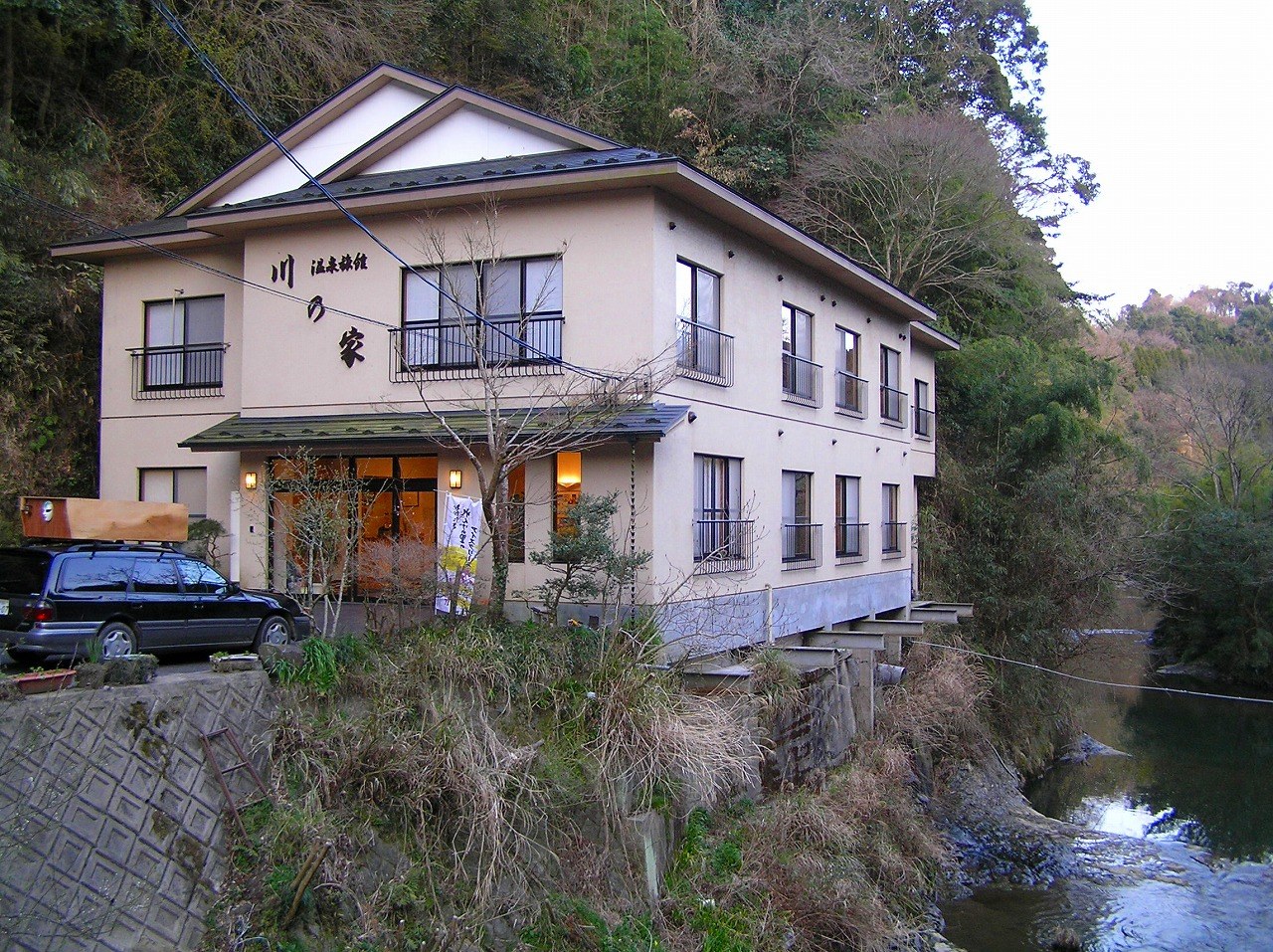
Yoro Keikoku is not a town in the usual onsen sense — there is no single street of grand hotels. Instead, a dozen or more inns and family-run minshuku are scattered along the Yoro River where the road follows the gorge, each taking its water from the valley’s springs, in a loose, green settlement tucked between the river and the wooded slopes.
That setting is formally recognised: the gorge forms the Chiba Prefectural Yoro Keikoku Oku-Kiyosumi Nature Park, and the area appears in the prefecture’s 500 charms of Boso. Visitors come as much for the valley as for the baths — the river, the cliffs and the woods are the attraction, and the black water at the end of the walk is the reward.
Autumn in the Yoro Valley
The recorded best season is autumn, for a simple reason: the Yoro Valley is Chiba’s most famous maple gorge. When the trees along the river turn, the red and gold slopes draw walkers from across the Kanto region, all within day-trip reach of Tokyo. It is the one season when this quiet valley fills.
Spring is the gentler alternative, when fresh green returns to the gorge and the valley can be walked in near-solitude. In either season the pattern is the same — walk the valley first, and save the baths for afterwards.
Getting there: the Kominato Railway into the hills
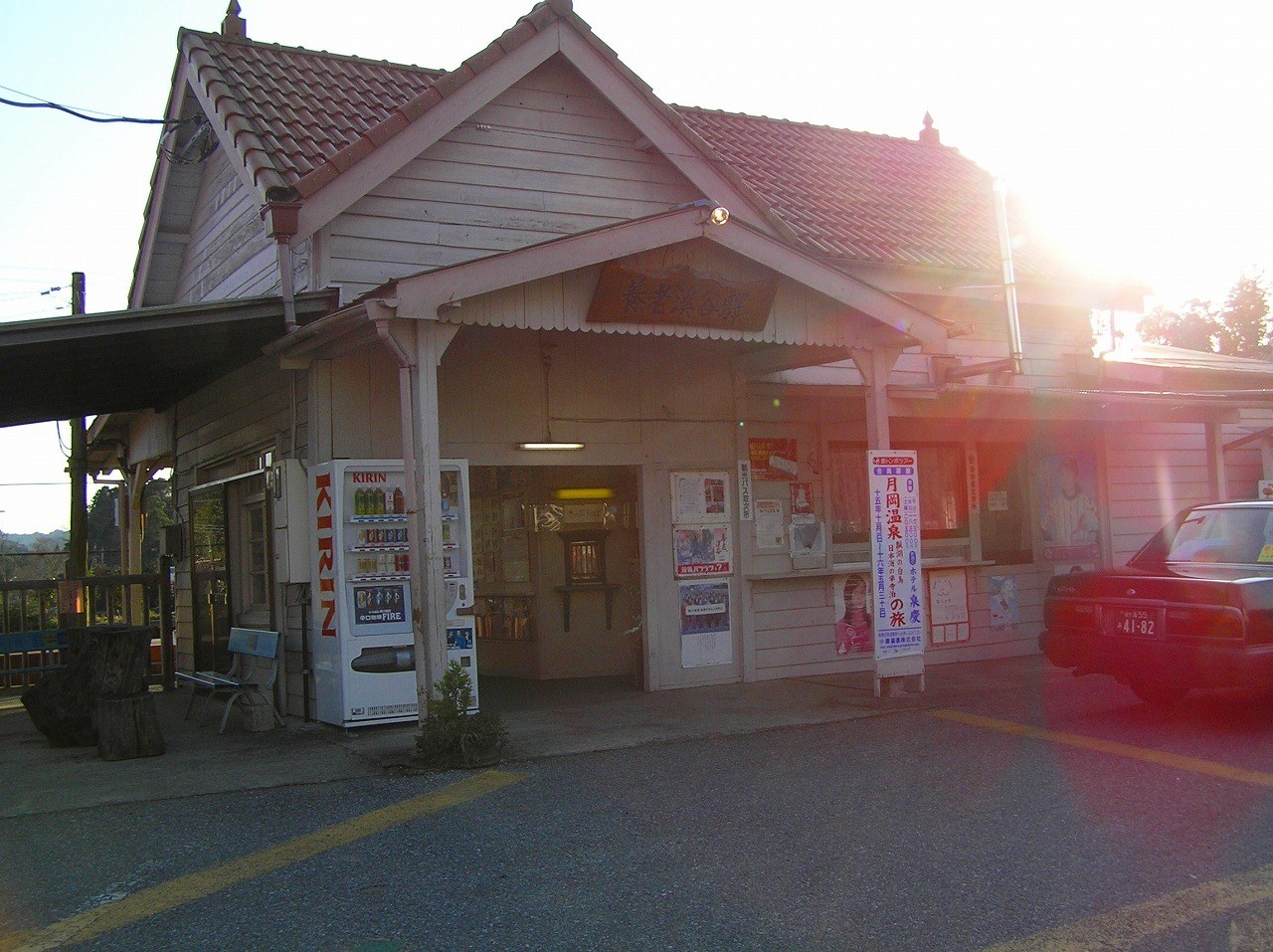
The railway approach is part of the charm. Ride the JR Uchibo Line to Goi, then change onto the Kominato Railway — a local line that leaves the coast and climbs into the Boso hills — to Yoro Keikoku Station. From Tokyo the journey takes about 2 hours 30 minutes; highway buses offer an alternative. Kominato buses serve the springs area, stopping at Onsenkyo Iriguchi (‘spring village entrance’).
Drivers come via the Metropolitan Inter-City Expressway, leaving at the Ichihara-Tsurumai Interchange. From Osaka the journey runs to about 6 hours, via Tokyo. Either way, the final stretch — up the valley road or along the little railway — slows the pace in exactly the way a gorge onsen should.
The sections above were written for this guide from the facts in the Japanese Wikipedia article 「養老渓谷温泉」 and the spring and access data summarised on this page, under CC BY-SA 4.0.
Bathhouses and inns confirmed on official sources (4)
This valley's bathhouses were not recorded in OpenStreetMap, so the list below was compiled by hand from official sources — the facilities' own websites and the Chiba prefectural tourism site (checked on 2026-11-05). Inns whose official sites could not be confirmed are not listed. Prices and opening hours are not listed, as they change often; confirm them on each official site before you go.
- Keikoku Bettei Mochinoki 渓谷別庭 もちの木
Riverside inn of the Takimien group in Otaki, on the Yoro River; rooms include suites with private open-air or semi-open-air onsen baths on stream-facing terraces, and the shared bath uses the valley's gentle spring water known locally as a beauty bath.
Official website - Tsurunoya 鶴乃家
Ryokan in Ichihara serving Boso seasonal kaiseki cuisine, with the Yoro Onsen kuroyu black water and a private bathing service.
Official website - Kiyomoto 黒湯の宿 喜代元
Long-established inn in Ichihara whose own spring source wells up in front of the entrance; known for its black kuroyu water.
Official website - SHINRA Yoro Valley SHINRA YORO VALLEY
Adults-only luxury ryokan that opened in March 2025 on the Yoro River in Otaki; every room has a private open-air bath of kuroyu black water, and there are also reservable private baths.
Chiba prefectural tourism site (Visit Chiba)
Gallery


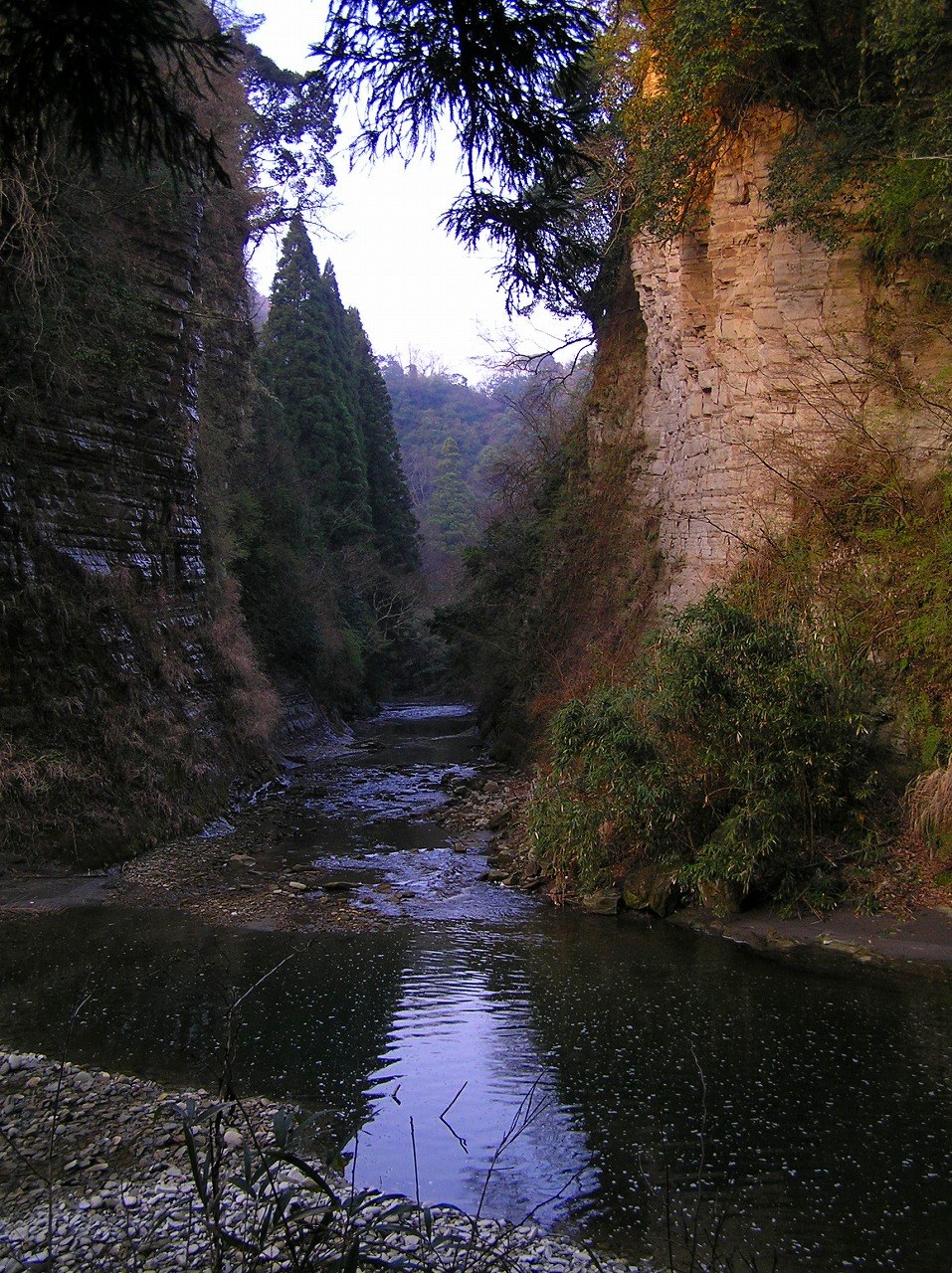

The facility list on this page was compiled by hand from official sources, not from OpenStreetMap — see the list above the gallery. Before your first visit, read how to use an onsen.
More onsen towns
- Okutama Onsen 奥多摩温泉 — Another river-gorge spring country within reach of Tokyo
- Chichibu Onsen 秩父温泉 — The mountain basin of shrines and inn baths west of Tokyo
- Atami Onsen 熱海温泉 — Out to the Pacific coast — the classic resort town on Atami Bay
- Hakone Onsen 箱根温泉 — The great caldera resort, Tokyo's other classic escape
Keep exploring
- All onsen towns in Kanto — this town's region, town by town
- Browse by spring type — find towns by their water
- Browse by feature — day trips, snow-view baths, free communal baths and more