Home › Onsen towns › Okutama Onsen
Okutama Onsen 奥多摩温泉
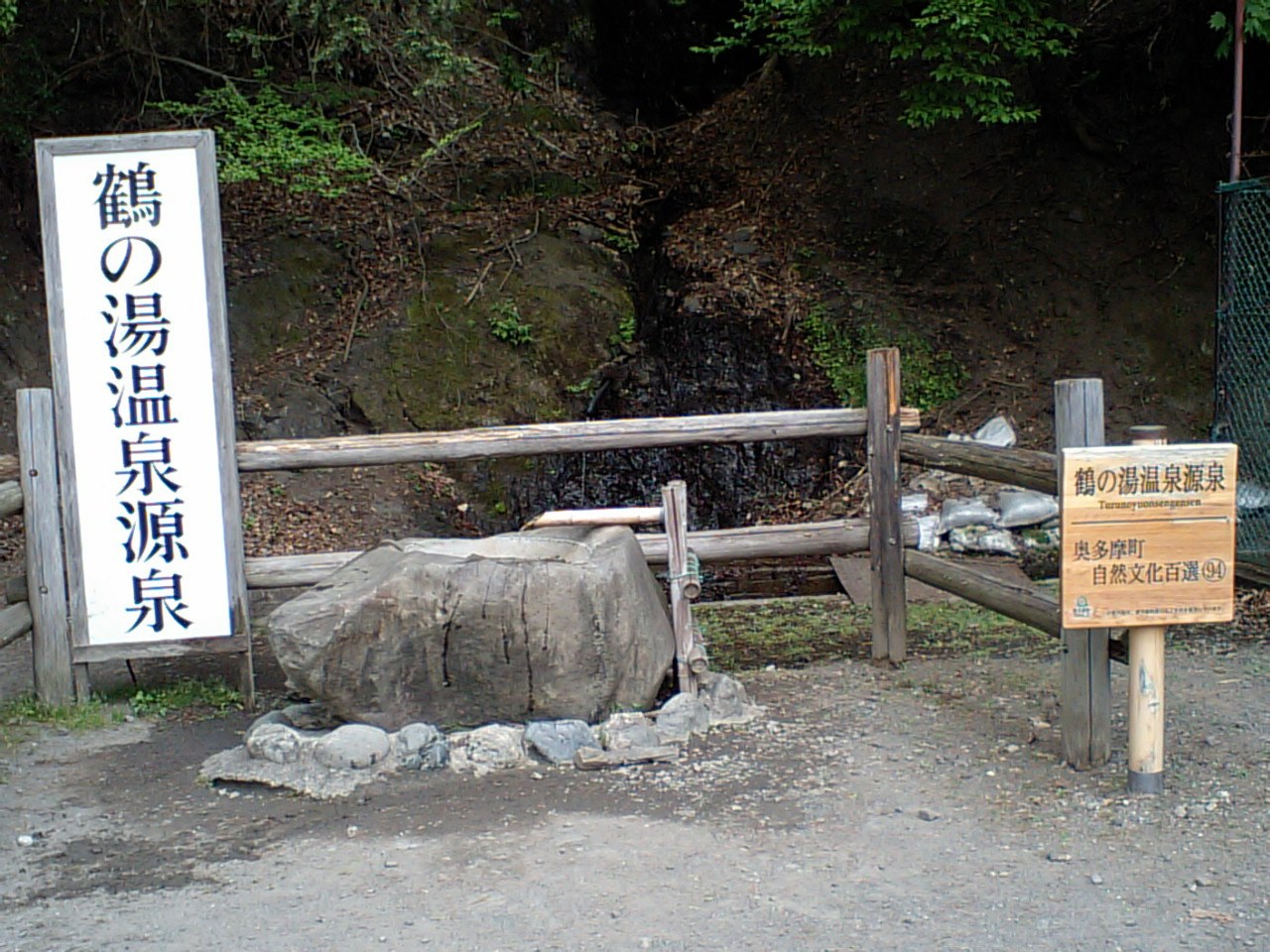
Okutama's springs rise where Tokyo ends — in the mountain town at the western tip of the metropolis, about 2 hours by train from Shinjuku to Okutama Station. The public bath Moegi-no-Yu draws alkaline simple water beneath the station hills, and riverside inns soak walkers coming down from Mount Mitake and the Tama River trails. Below are the bathhouses, spring sources and onsen facilities recorded in OpenStreetMap within about 3 km of the town centre.
| Prefecture | Tokyo |
|---|---|
| Region | Kanto |
| Spring quality | Alkaline simple spring (the Moegi-no-Yu source) |
| Source temperature | The town source is a warm simple spring, heated and blended for bathing |
| Nearest station | Okutama (JR Ōme Line terminus, via Tachikawa and Ōme) |
| From Tokyo | About 2 hours — JR Chūō/Ōme Line from Shinjuku |
| From Osaka | About 5 hours 30 minutes via Tokyo |
| Best season | Autumn leaves in the Hikawa Gorge; summer for river walking and rafting |
| Places listed here | 2 |
| Public bathhouses | 2 |
| Hot spring sources | 0 |
Spring quality, source temperatures and access routes are drawn from the Japanese Wikipedia articles on each town (CC BY-SA 4.0) and the English articles credited below. Journey times are typical scheduled times for the routes named, rounded — always check current timetables before you travel.
About Okutama Onsen
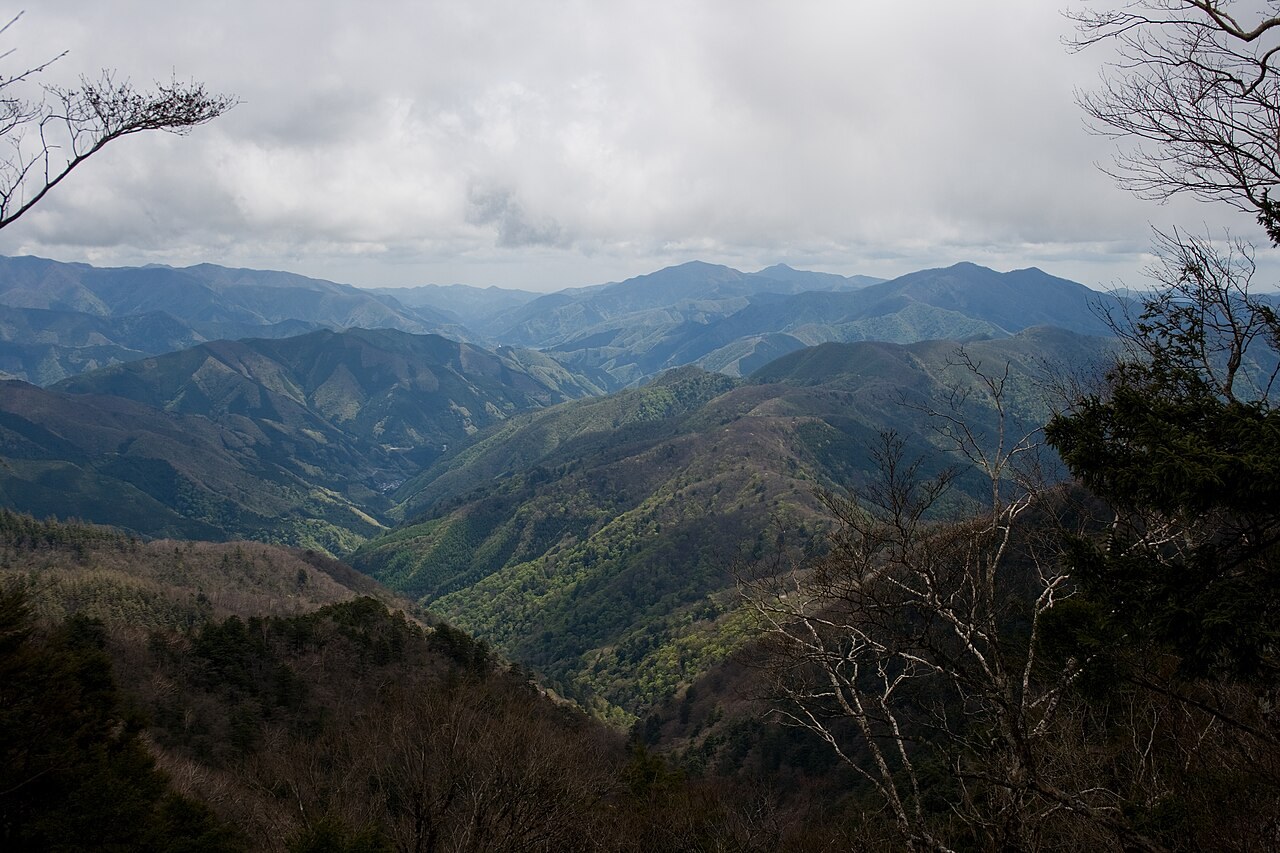
Okutama Onsen (奥多摩温泉) is the hot spring of Okutama Town, at the far western end of Tokyo Metropolis — the westernmost municipality in Tokyo, and, surprisingly for a corner of the capital, the one with the largest area of any city, town or ward in the metropolis. The town lies where the Tama River begins, in mountain country administered from Shinjuku but utterly unlike it.
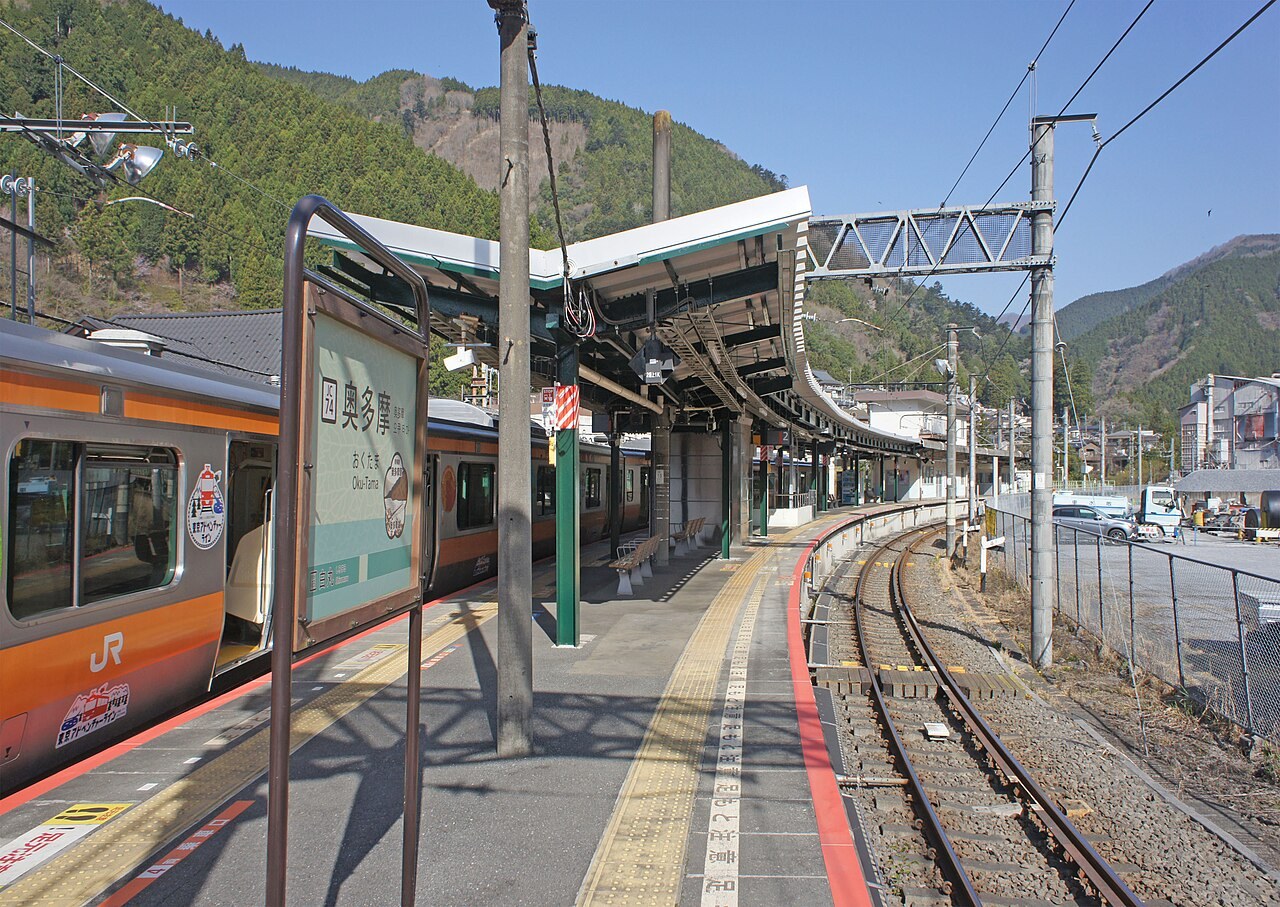
The town’s spring is an alkaline simple spring, the source behind the Moegi-no-Yu day spa near Okutama Station. The station is the terminus of the JR Ōme Line, about two hours from Shinjuku via Tachikawa and Ōme — a single rail journey from central Tokyo to a mountain bath, with no change of prefecture and no car required.
The water: a warm alkaline spring, heated and blended for bathing
Okutama’s spring quality is an alkaline simple spring — mild water of the kind that suits everyday bathing and long soaks after a day on the trails. The town source is a warm simple spring rather than a scalding one, so the water is heated and blended to bathing temperature before it fills the tubs. That is worth knowing before you go: Okutama’s appeal is not extreme water, but a gentle alkaline bath in a mountain setting inside Tokyo itself.
This page lists two public bathhouses for the town. Because the source is a town spring used by the local day spa, bathing arrangements are simpler here than in a great volcanic resort: one well-understood water, a municipal bath to receive day visitors, and small inn baths in the valleys around it.
Two hours from Shinjuku to the end of the Ōme Line
The journey is the simplest on this page: JR Chūō and Ōme Line trains from Shinjuku run through Tachikawa and Ōme to the terminus at Okutama in about two hours. From Osaka the same trip takes about five and a half hours via Tokyo. The line follows the Tama River upstream for its final stretch, so the city falls away gradually — suburbs, then foothill towns, then the gorge country of the headwaters.
Season decides what the bath caps off. Autumn brings the leaves of the Hikawa Gorge beside the town, the classic Okutama picture; summer is for river walking and rafting on the young Tama. In both cases the pattern is the Tokyo one: a full mountain day — trail, gorge or river — finished with an alkaline soak, and the train home the same evening for those not staying over.
The sections above were written for this guide from the facts in the Japanese Wikipedia article 「奥多摩町」 and the spring and access data summarised on this page, under CC BY-SA 4.0.
Moegi-no-Yu and the Tama headwaters
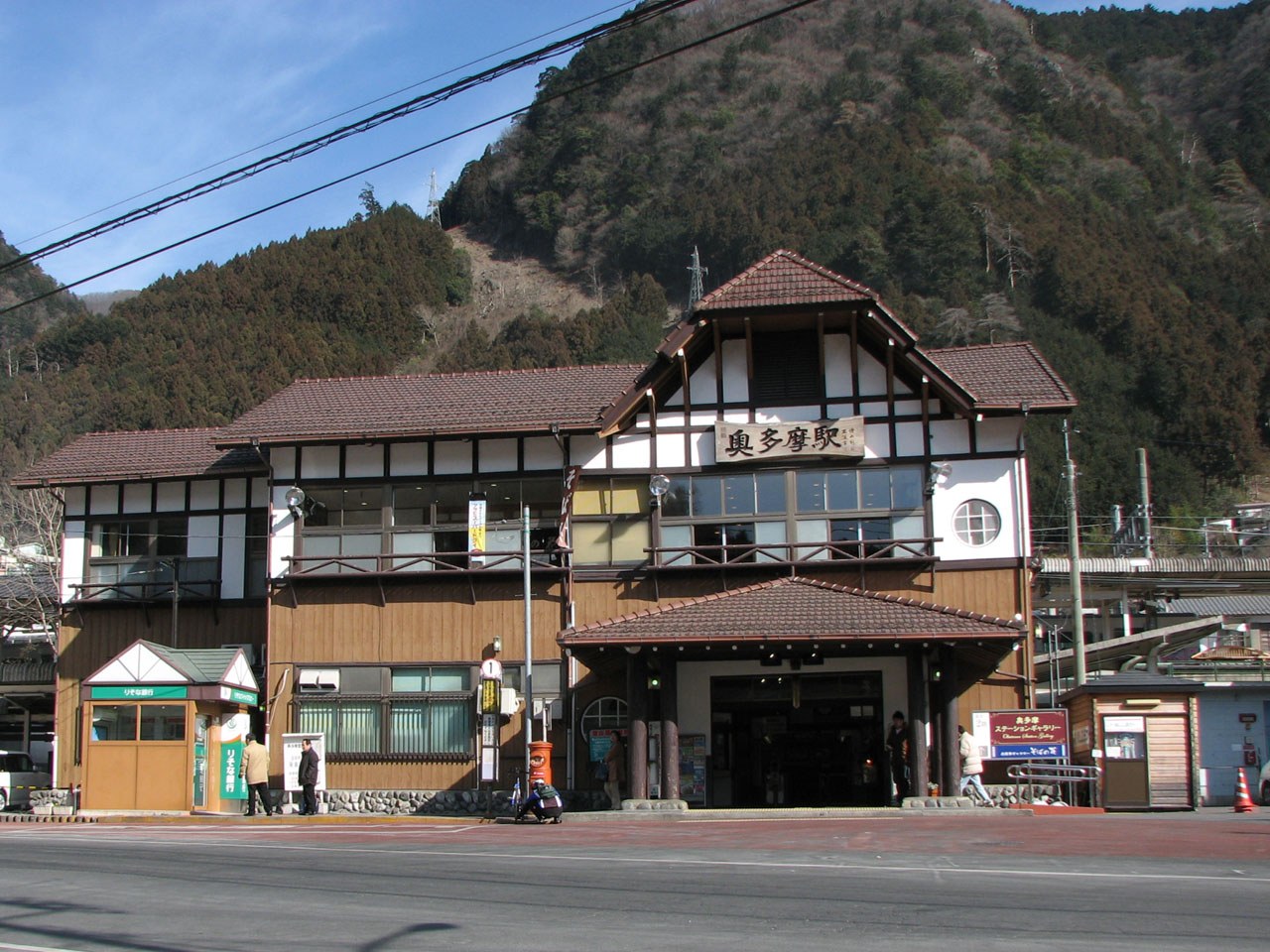
Okutama's best-known bath is Moegi-no-Yu, the town-run day spa a few minutes from Okutama Station, fed by the Okutama spring — an alkaline simple water drawn from the hills above the Hikawa gorge — with indoor baths and an open-air bath facing the Tama River valley. It is the standard reward at the end of the Mitake and Okutama hiking trails, and it gets busy on autumn weekends.
Around it, small inns with baths dot the town: near Lake Okutama (the reservoir behind the Ogōchi Dam), along the Nippara road to its limestone caverns, and downriver at Mitake, where the river runs through a famous gorge of maples and kayakers. All of this is inside Tokyo Metropolis — the town is a reminder that the capital's western third is mountain country, and that its hot springs begin where its suburbs end.
Additional sections above were translated and summarised from the Japanese Wikipedia article 「奥多摩町」, available under CC BY-SA 4.0.
Public bathhouse (spring type not recorded in OpenStreetMap) (2)
- 奥多摩温泉;もえぎの湯
Official website · OpenStreetMap - 足湯
OpenStreetMap
Gallery


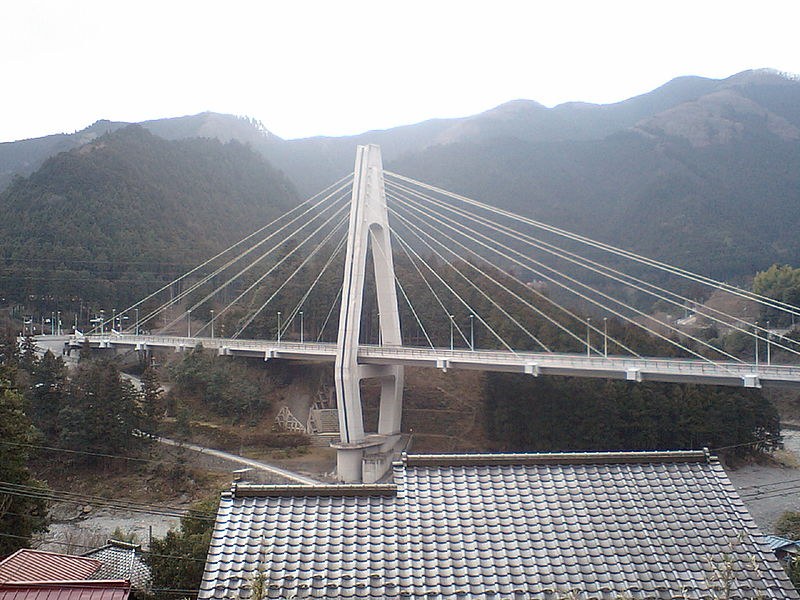

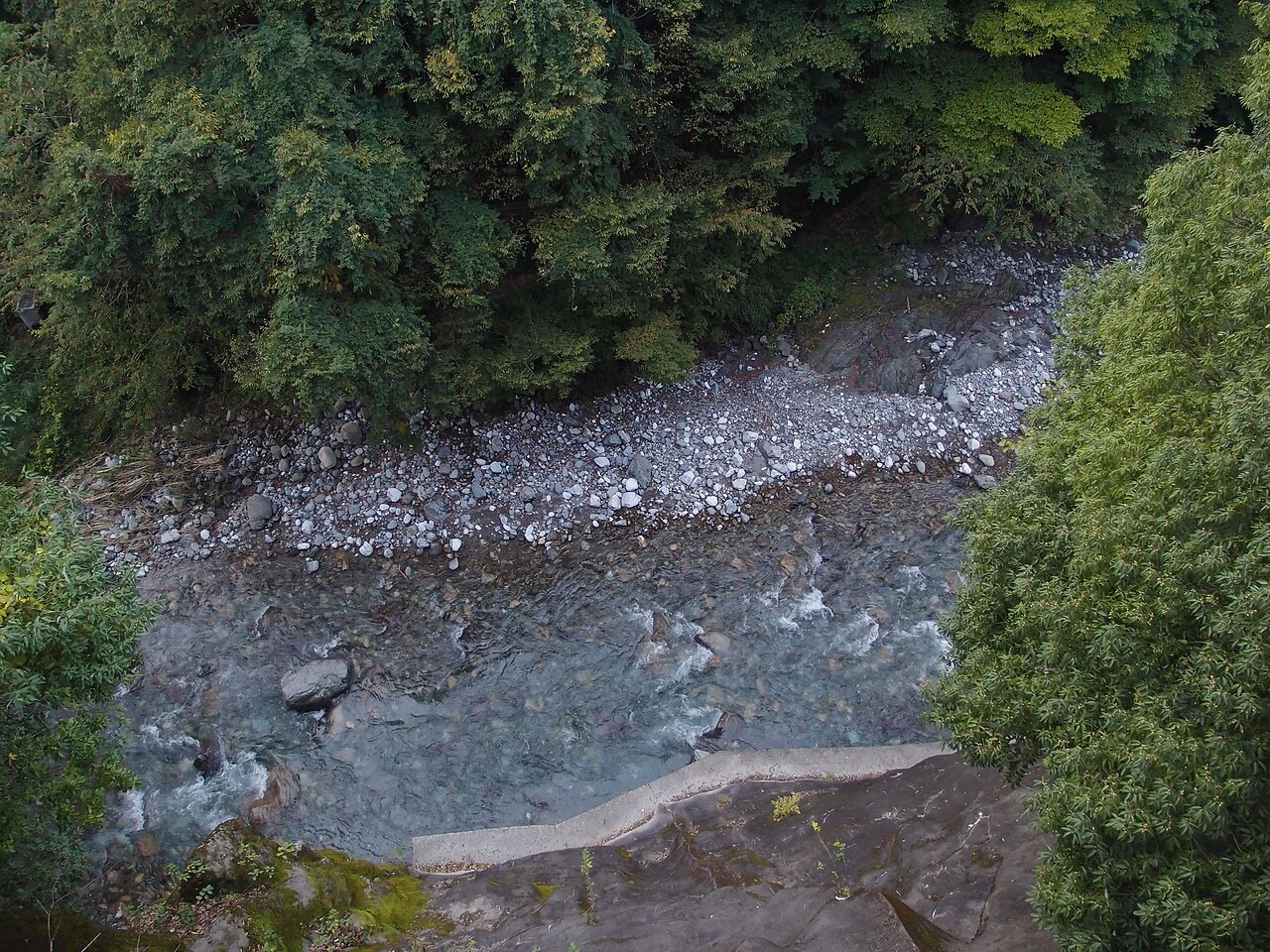

Names, types and websites are shown exactly as recorded in OpenStreetMap. A bathhouse whose spring type is not recorded is labelled as such — we do not guess. Before your first visit, read how to use an onsen.
More onsen towns
- Chichibu Onsen 秩父温泉 — The next mountain basin west — shrines, festivals and inn baths
- Yoro Keikoku Onsen 養老渓谷温泉 — Another river-gorge spring within reach of the capital
- Isawa Onsen 石和温泉 — Down the Chuo Line corridor — Yamanashi's fruit-country springs
- Hakone Onsen 箱根温泉 — The famous caldera resort south-west of Tokyo
Keep exploring
- All onsen towns in Kanto — this town's region, town by town
- Browse by spring type — find towns by their water
- Browse by feature — day trips, snow-view baths, free communal baths and more