Home › Onsen towns › Tsuchiyu Onsen
Tsuchiyu Onsen 土湯温泉
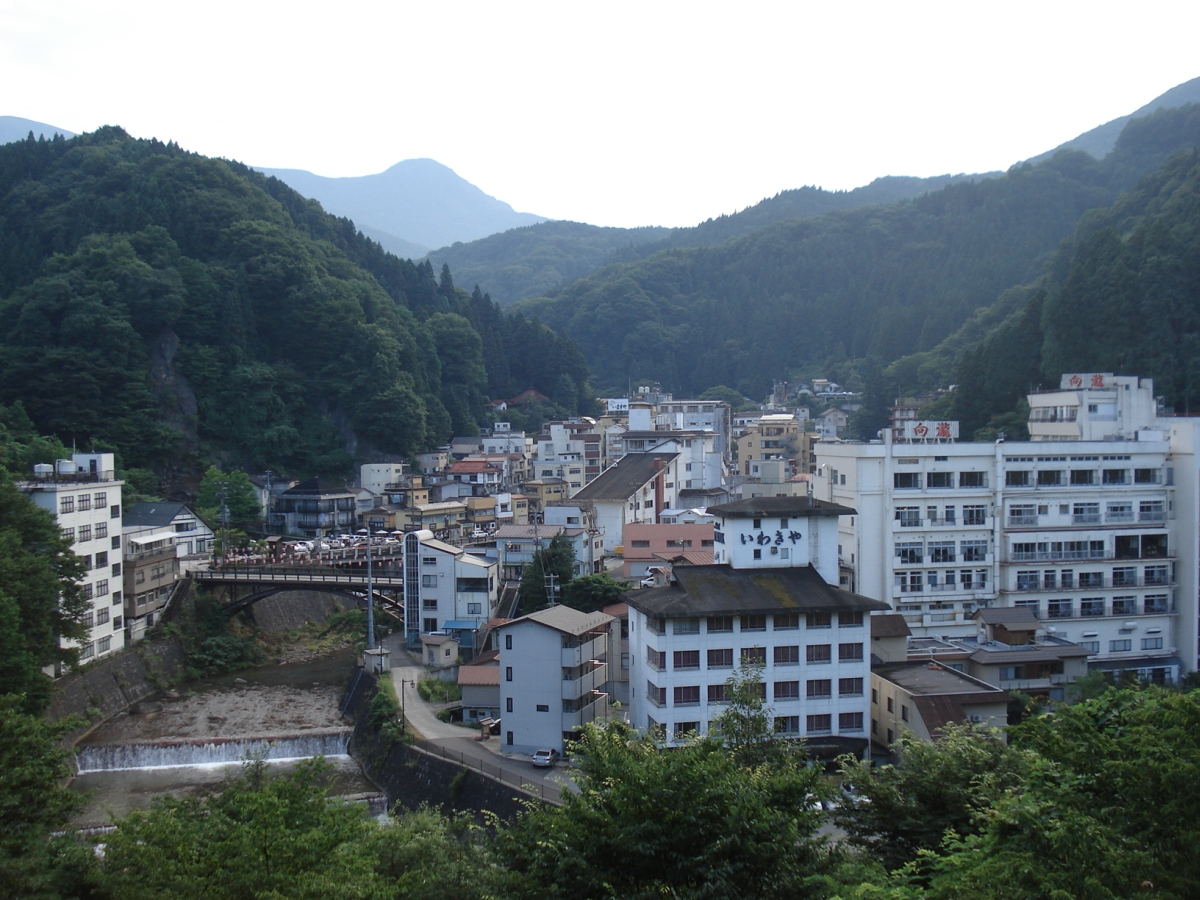
More than ten different waters bubble up in one small pass town at Tsuchiyu — bicarbonate, simple and sulphur springs side by side along the Arakawa River, 16 km west of Fukushima City. Add its other identity, as one of Japan's three great kokeshi doll villages alongside Naruko and Togatta, and Tsuchiyu is the Tohoku town where the bath and the craft workshop share the same street.
| Prefecture | Fukushima (Fukushima City) |
|---|---|
| Region | Tohoku |
| Spring quality | Many types in one town — bicarbonate, simple and sulphur springs among 10+ recorded waters |
| Source temperature | Varies by source (the main supply is drawn as steam at about 150 °C and piped into town; individual sources differ) |
| Nearest station | Fukushima (JR Tohoku Shinkansen), then about 45 minutes by bus |
| From Tokyo | About 2 hours 30 minutes — Tohoku Shinkansen to Fukushima (about 1 h 30 min) + bus |
| From Osaka | About 5 hours 30 minutes via Tokyo and Fukushima |
| Best season | Spring for mizubasho skunk-cabbage around Nina Marsh; autumn colour; winter snow-view bathing in Bandai-Asahi National Park |
Spring quality, source temperatures and access routes are drawn from the Japanese Wikipedia articles on each town (CC BY-SA 4.0) and the English articles credited below. Journey times are typical scheduled times for the routes named, rounded — always check current timetables before you travel.
About Tsuchiyu Onsen
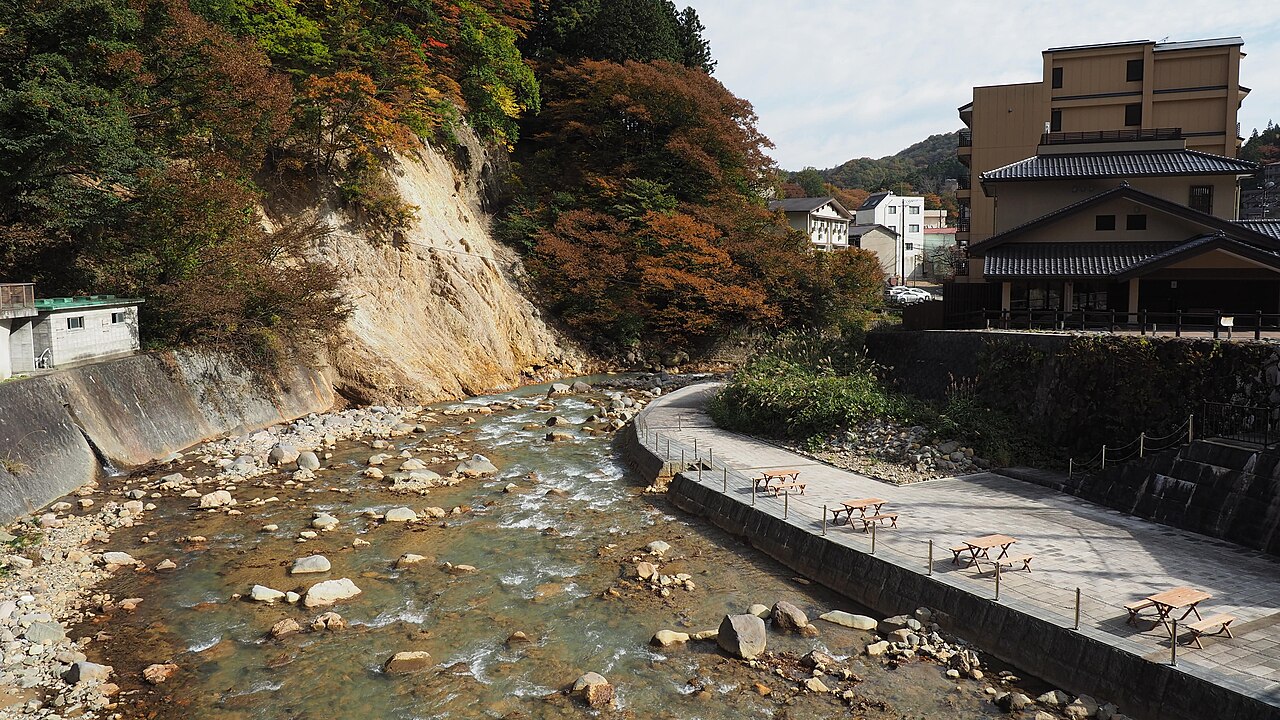
Tsuchiyu Onsen (土湯温泉) stands at about 450 metres in the foothills west of Fukushima City, inside Bandai-Asahi National Park, on the old Aizu road over the pass. Its history runs more than 1,400 years: legend tells of the deity Omuna-chi striking the ground with a spear by the Arakawa River — 'tsuku-yu', the stabbed spring, worn down in speech to Tsuchiyu — and of Hata no Kawakatsu, Prince Shotoku's envoy, healed here in 587. The Kamakura-period chronicle Azuma Kagami already mentions the spring.
The town served double duty as a post station on the road to Aizu and as a cure resort for the Fukushima plain. Eleven inns survive today — down from a peak of 23 in the late 1970s — and the town's modern history, of hosting evacuees after the 2011 disaster, losing inns to the following slump, and rebuilding around small renewable-energy projects, is told honestly in its own museum.
The water: ten springs in one town
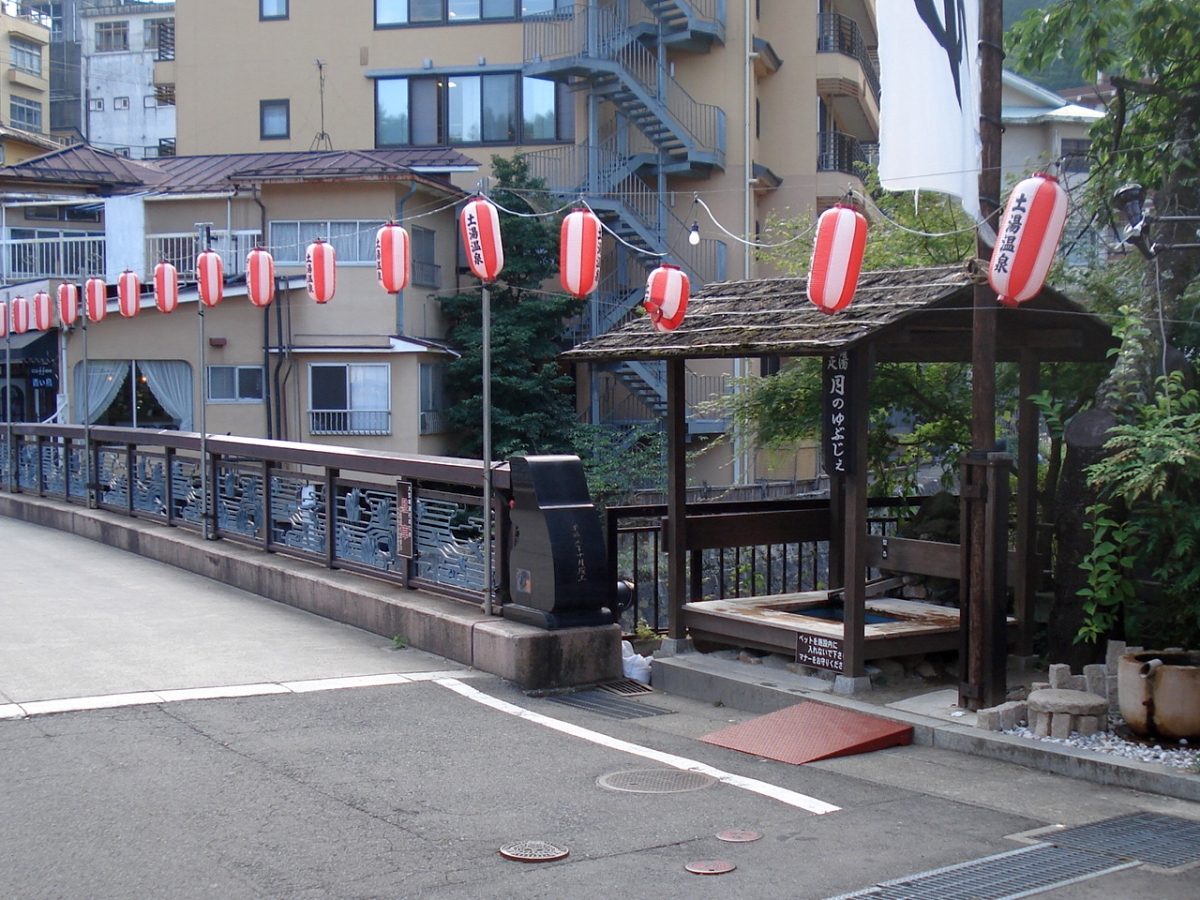
Tsuchiyu is a sampler of Japanese spring types. Its many sources are recorded across more than ten classifications; the three headline families are bicarbonate springs (the smooth, skin-softening 'beauty' waters), simple springs, and sulphur springs. The main source is remarkable in itself: water emerges largely as steam at about 150 °C near the source field and is piped some 2 km into town, while some inns draw on separate cooler sources — one recorded supply is colourless with faint sulphur traces at pH 6.5.
Because each inn's water can differ, Tsuchiyu rewards bath-hopping between houses more than most towns: ask at the desk which spring your bath uses. The public bathhouse Nakano-yu anchors the day-visitor side of town.
Kokeshi: the doll that shares the town
Tsuchiyu is one of the three great homes of the kokeshi, the limbless wooden dolls of Tohoku's cure towns — with Naruko and Togatta, its rivals in the traditional saying. The Tsuchiyu lineage is recognisable: a relatively small head with a black serpent-eye ring at the crown, a red pattern called kase between brow and hairline, and a slender body with fine rokuro turning lines.
Workshops and displays line the town — the Tsuchiyu Kokeshi hall and local makers demonstrate the lathe work that grew up as a winter craft of the wood-turners serving the bath trade. The town mascot Kibokko-chan is, of course, a kokeshi.
Recovery, energy and the marsh
After 2011 Tsuchiyu took in evacuees early and in numbers, then faced the collapse of ordinary demand; five inns closed within half a year. The rebuilding has been inventive: the local company Genki Up Tsuchiyu runs the public bath and, from 2015, small geothermal and hydro generation using the town's own heat and water, and even prawn fishing for visitors using warm water.
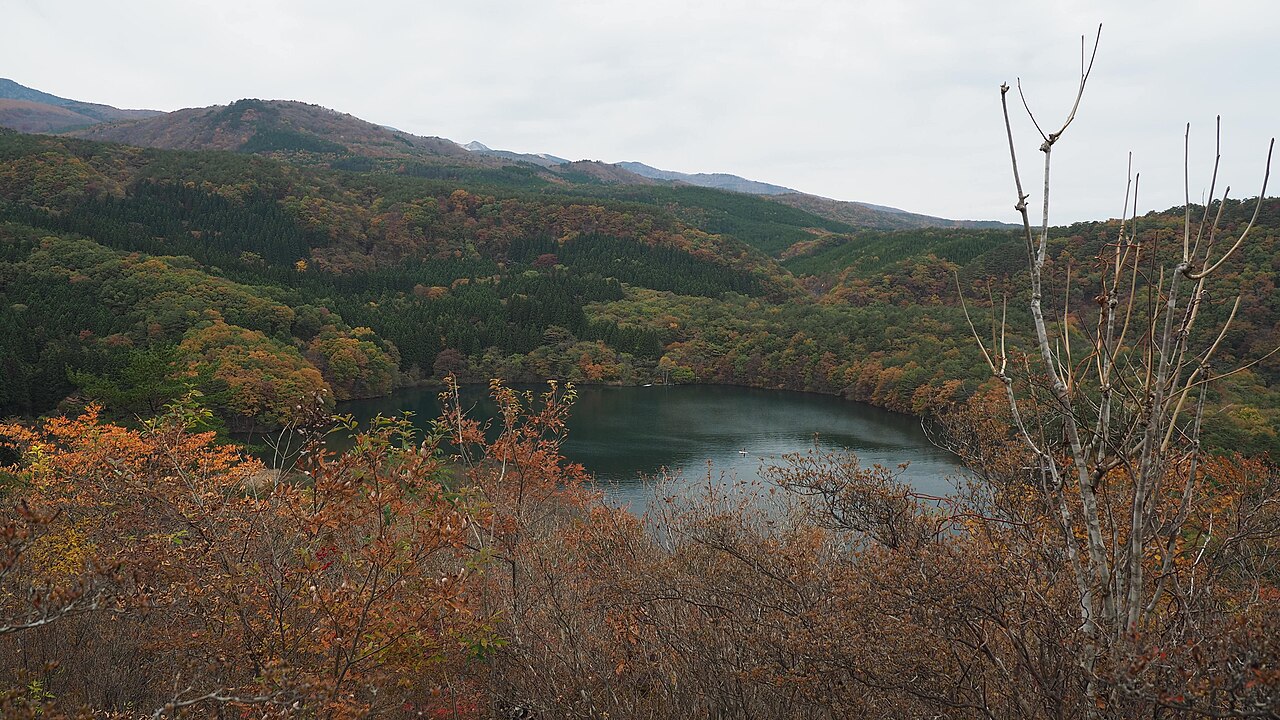
Around the town, the Nina Marsh trail passes mizubasho and katakuri flowers in spring, and the Azuma and Adatara ranges frame the roads out — the Jododaira plateau and its crater are the classic drive from town.
Getting there
From Fukushima Station (Tohoku Shinkansen / Ou Main Line), Fukushima Kotsu buses run to Tsuchiyu Onsen in about 45 minutes. By car, the Fukushima-Nishi interchange of the Tohoku Expressway is about 15 minutes away on Route 115, the Tsuchiyu road itself.
The sections above were written for this guide from the facts in the Wikipedia articles Tsuchiyu Onsen, 「土湯温泉」, available under CC BY-SA 4.0, and official tourism sources.
Gallery


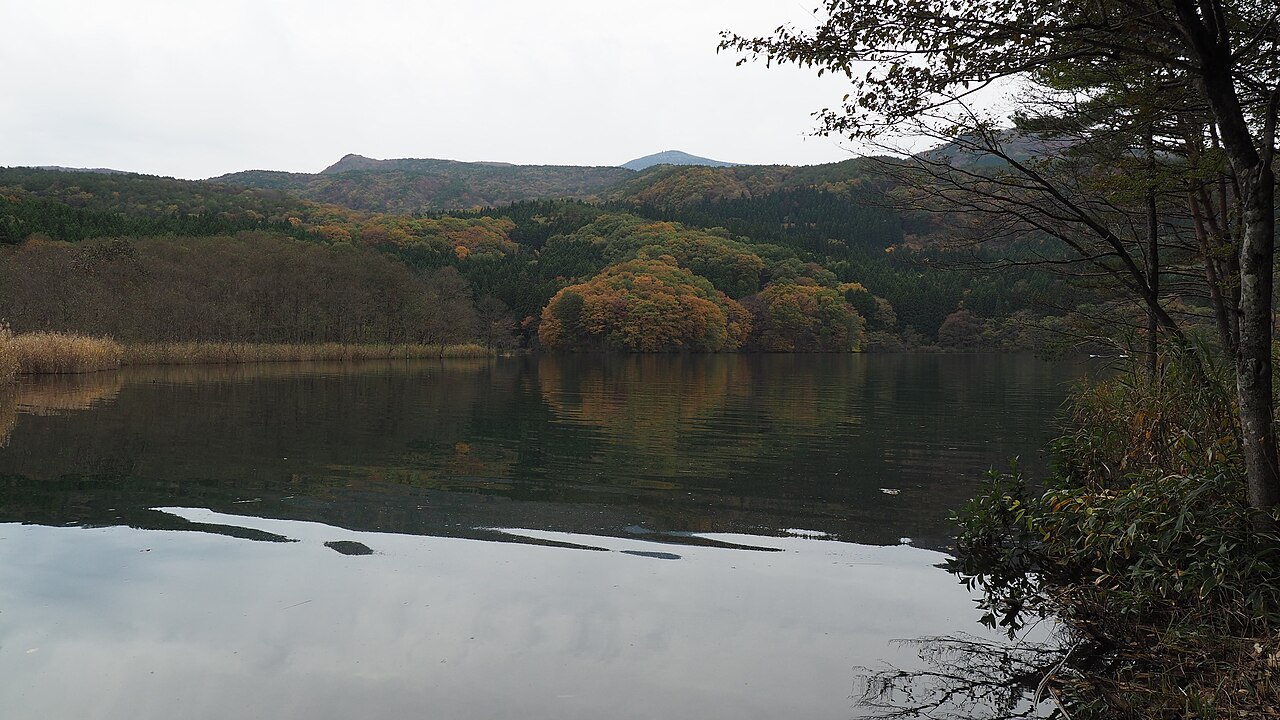

The springs and baths named on this page are described from the Wikipedia articles credited above and official tourism sources. Before your first visit, read how to use an onsen.
More onsen towns
- Naruko Onsen 鳴子温泉 — The rival kokeshi town — Miyagi's seven-spring valley
- Higashiyama Onsen 東山温泉 — Aizu's domain retreat, the same prefecture's classic
- Iizaka Onsen 飯坂温泉 — Fukushima City's other old quarter, north of the centre
- Kaminoyama Onsen かみのやま温泉 — Yamagata's castle-town baths on the same Tohoku circuit
Keep exploring
- All onsen towns in Tohoku — this town's region, town by town
- Browse by spring type — find towns by their water
- Browse by feature — day trips, snow-view baths, free communal baths and more