Home › Onsen towns › Kaminoyama Onsen
Kaminoyama Onsen かみのやま温泉
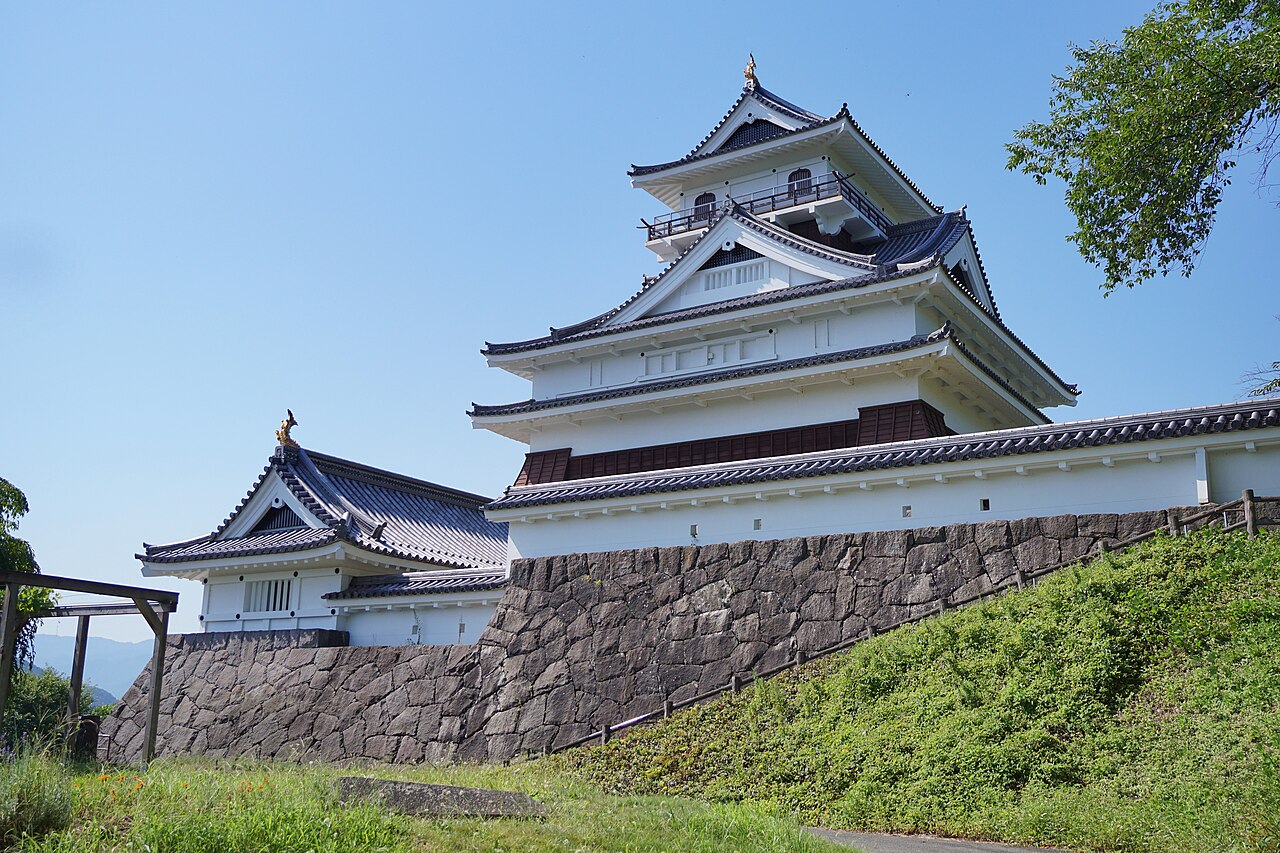
The bath comes to the station at Kaminoyama: the town's own Shinkansen stop is named Kaminoyama-Onsen, and the castle-town streets around it hold six historic bathing districts fed by five centrally managed sources at 63 to 69 °C. Four communal bathhouses, five footbaths and a reconstructed castle make this the most walkable of Yamagata's old cure towns.
| Prefecture | Yamagata |
|---|---|
| Region | Tohoku |
| Spring quality | Sodium–calcium chloride / sulphate spring (weakly alkaline) |
| Source temperature | 63–69 °C at source (5 sources, centrally managed since 1978) |
| Nearest station | Kaminoyama-Onsen (JR Yamagata Shinkansen / Ou Main Line) — the town starts at the station |
| From Tokyo | About 2 hours 30 minutes by Yamagata Shinkansen direct to Kaminoyama-Onsen |
| From Osaka | About 5 hours 30 minutes via Tokyo (Tokaido + Yamagata Shinkansen) |
| Best season | Spring for the castle and cherry blossom; winter for snow-view bathing with Zao in reach |
Spring quality, source temperatures and access routes are drawn from the Japanese Wikipedia articles on each town (CC BY-SA 4.0) and the English articles credited below. Journey times are typical scheduled times for the routes named, rounded — always check current timetables before you travel.
About Kaminoyama Onsen
Kaminoyama Onsen (かみのやま温泉) is a hot spring town in Kaminoyama City, southern Yamagata, counted in old times with Higashiyama and Yunohama among the Ou Three Rakugo — the three pleasure resorts of the north. Local tradition dates the discovery to 1458, when the travelling monk Gesshu is said to have watched a crane healing its leg in the warm water; the spring's old name, Tsuruhagi no Yu, the Crane's-Leg Bath, keeps the story.
The town that grew up was a castle town and a post station on the Ushu Kaido road. Its bathing map is a walk through that history: the three older districts (Yumachi, Tokamachi, Shinyu) around the castle hill, and the three that opened in the Taisho and Showa eras (Takamatsu, Hayama, Kawasakii) to the south-west — six districts, each once its own little onsen.
The water: five sources, one town system
Kaminoyama's water is a sodium–calcium chloride and sulphate spring, weakly alkaline — a warming salt water softened by the sulphate content. Five sources (three in the Kaminoyama districts, two in Hayama) are managed together, a centralised system running since 1978, so quality is consistent across town.
Output is about 2,477 litres a minute — the second largest in Yamagata Prefecture after Zao — at 63 to 69 °C at source. Prefectural statistics put annual bathers at over 410,000, with overnight guests second only to the prefecture's biggest resorts: this is a working cure town, not a museum.
Communal baths and footbaths: the town's living rooms
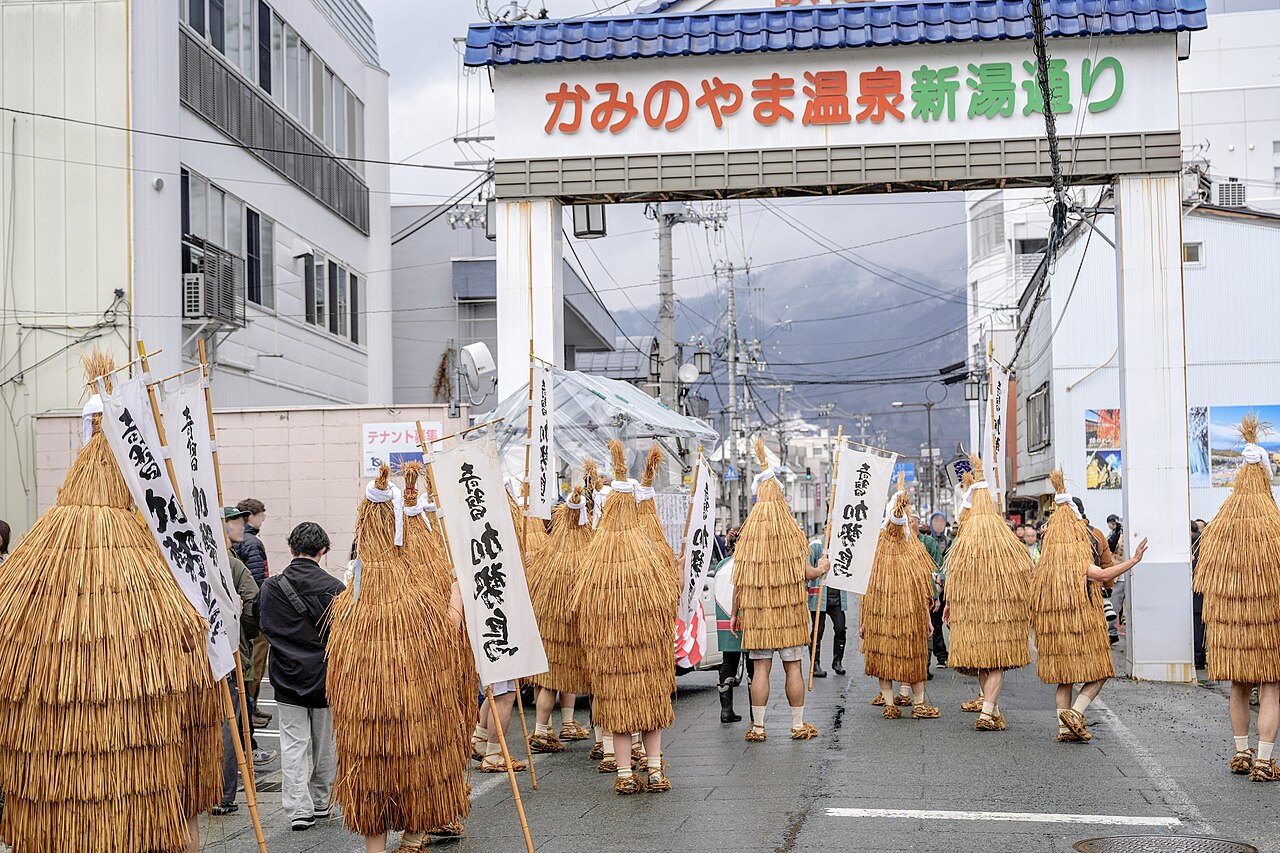
The heart of Kaminoyama is its communal bathhouses, run by the local onsen cooperative. Four survive in daily use, led by Shimoyu — the 'lower hot water' — opened in the 1620s by the first Kaminoyama lord so that ordinary townspeople, not just samurai, could bathe; its line runs unbroken to today. The Shinyu communal bath, closed in 2020, was taken over by a local NPO, renovated and reopened in 2022 — a small model of how Japan's old bathhouses survive.
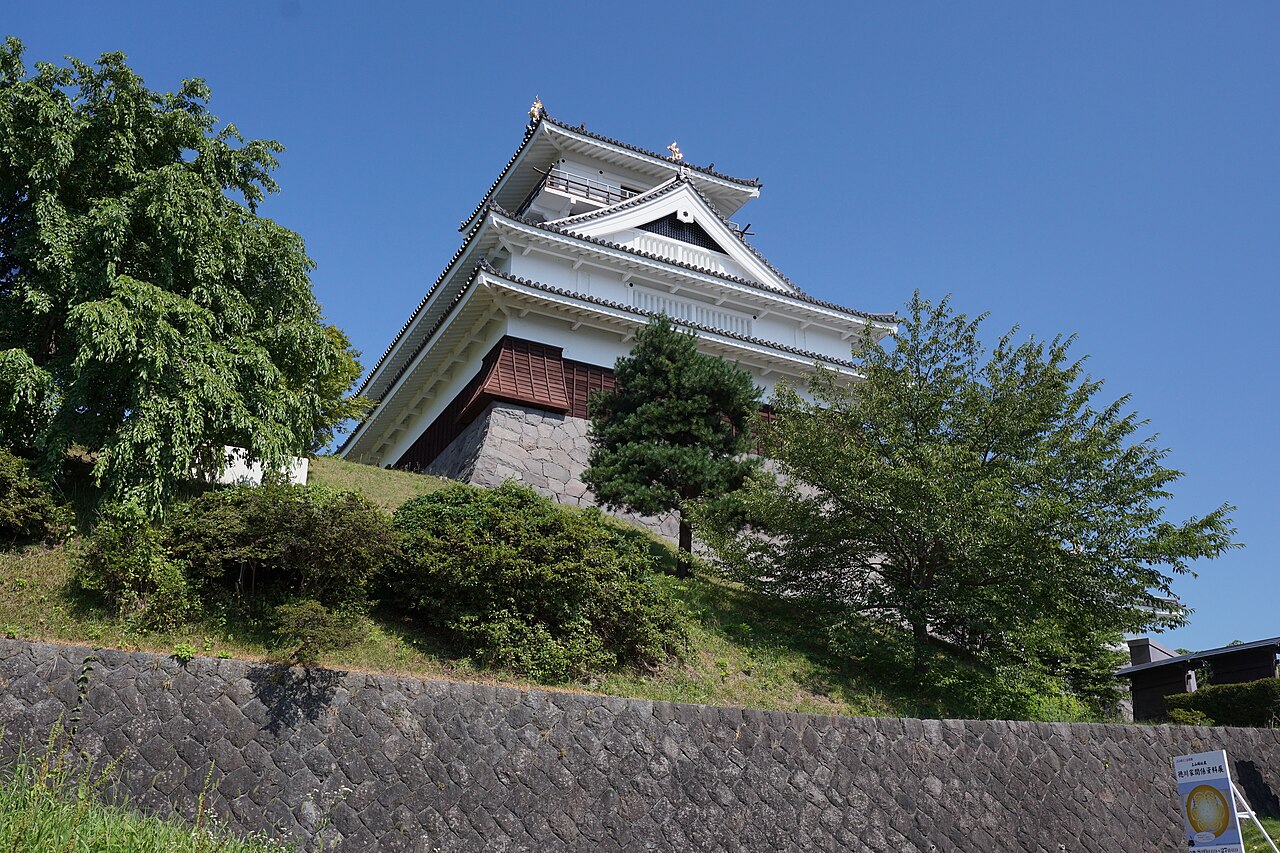
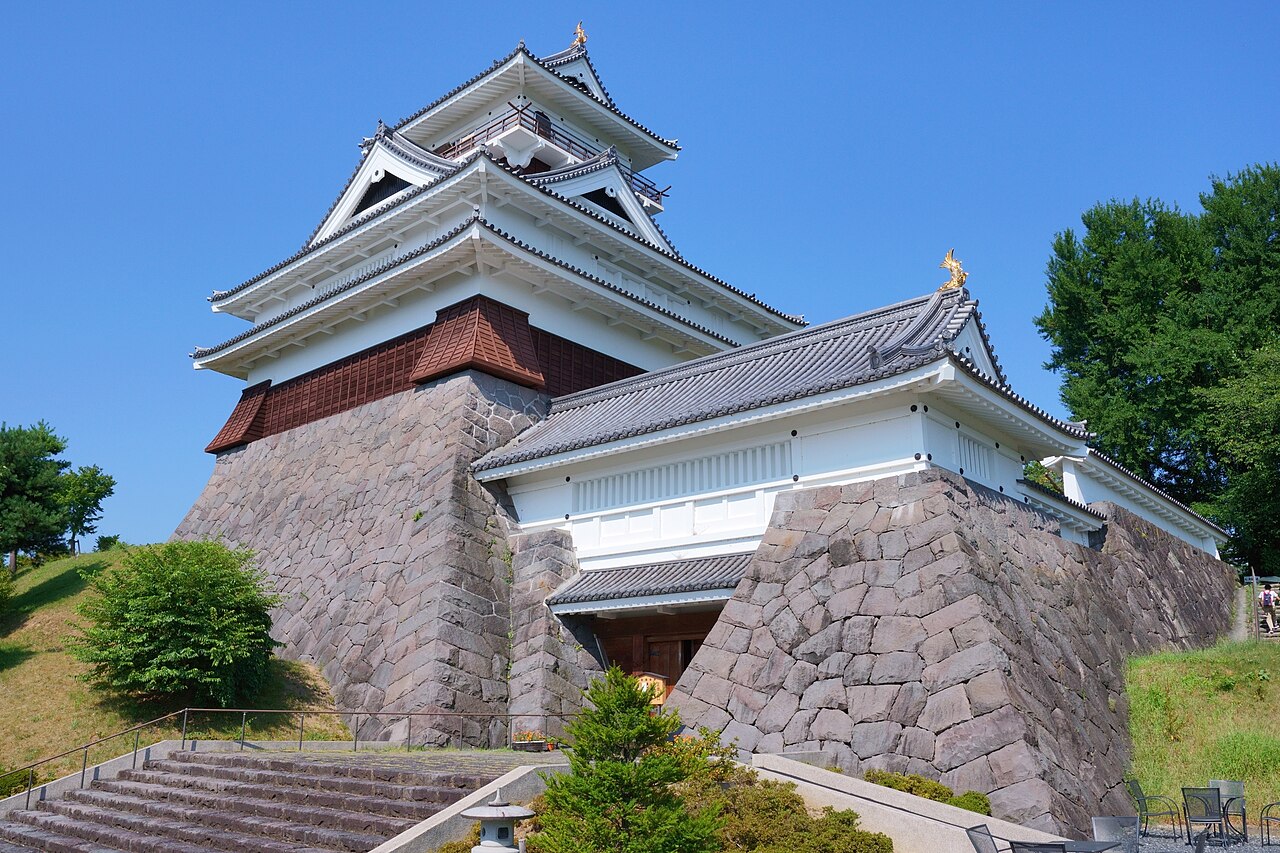
Five public footbaths are set around town — by the castle, at Mebukawa Bridge, in Shinyu, Yumachi and Hayama — so a walking circuit of the districts can be punctuated with free soaks. Add the samurai houses street, the Shoshinkan and the rebuilt Kaminoyama Castle keep, and a half-day town walk assembles itself.
Isabella Bird and the road north
In July 1878 the traveller Isabella Bird stayed here on her journey through Japan's interior, writing in Unbeaten Tracks in Japan that the place could be a fine health resort and praising the kindness of the women of its inns — one of the earliest English-language accounts of a Tohoku onsen town.
The castle town setting is the point: unlike gorge or volcano resorts, Kaminoyama's sights are civic — castle, samurai quarter, sake and fruit country famous for cherries and grapes, and the Zao range on the horizon (Zao Onsen itself is about 20 minutes by car).
Getting there
Kaminoyama-Onsen Station, on the Yamagata Shinkansen and Ou Main Line, stands at the edge of the bathing districts — several districts begin within a few minutes' walk. Tokyo to Kaminoyama-Onsen is a single Shinkansen ride.
By road, the Yamagata-Kaminoyama and Kaminoyama-Onsen interchanges of the Tohoku-Chuo Expressway serve the town. Sendai–Kaminoyama and other highway buses also call.
The sections above were written for this guide from the facts in the Wikipedia articles 「かみのやま温泉」, available under CC BY-SA 4.0, and official tourism sources.
Gallery




The springs and baths named on this page are described from the Wikipedia articles credited above and official tourism sources. Before your first visit, read how to use an onsen.
More onsen towns
- Zao Onsen 蔵王温泉 — Twenty minutes away — the acidic sulphur giant of the same prefecture
- Ginzan Onsen 銀山温泉 — Yamagata's gas-lit preserved street, the romantic counterpoint
- Higashiyama Onsen 東山温泉 — The fellow member of the Ou Three Rakugo, in Aizu
- Tsuchiyu Onsen 土湯温泉 — Fukushima's kokeshi town — the next Tohoku stop south
Keep exploring
- All onsen towns in Tohoku — this town's region, town by town
- Browse by spring type — find towns by their water
- Browse by feature — day trips, snow-view baths, free communal baths and more