Home › Onsen towns › Shionoe Onsen
Shionoe Onsen 塩江温泉
Shionoe's springs rise cold — all below 25 °C, heated for bathing — in a green valley about 50 minutes by bus from Takamatsu Station. Designated a National Health Onsen in 2002, it has been Takamatsu's mountain retreat since the Nara period, when the monk Gyōki is said to have found the water. Below are the bathhouses and inns of the valley confirmed on official sources — their own websites and the local onsen tourism site — listed by hand, because this town's springs were not recorded in OpenStreetMap.
| Prefecture | Kagawa |
|---|---|
| Region | Shikoku |
| Spring quality | Cold mineral springs (several spring types by source; all below 25 °C at the wellhead) |
| Source temperature | Below 25 °C at source (cold mineral springs, heated for bathing) |
| Nearest station | Takamatsu (JR), then about 50 minutes by Kotoden bus; Takamatsu Airport is about 20 minutes by taxi |
| From Tokyo | Fly to Takamatsu (about 1 h 20 min), then bus or taxi |
| From Osaka | About 3 hours — Shinkansen to Okayama + Marine Liner to Takamatsu + bus |
| Best season | Late spring fresh green and autumn leaves in the valley; fireflies in early summer |
| Facilities listed below | 5 — confirmed on official sources (not OpenStreetMap) |
Spring quality, source temperatures and access routes are drawn from the Japanese Wikipedia articles on each town (CC BY-SA 4.0) and the English articles credited below. Journey times are typical scheduled times for the routes named, rounded — always check current timetables before you travel.
About Shionoe Onsen
Shionoe Onsen (塩江温泉) is a cold-spring valley in the Shionoe district of Takamatsu, Kagawa Prefecture, set in the hills south of the city. Its waters are cold mineral springs — every source in the valley is recorded below 25 °C at the wellhead, and the spring type differs from source to source — so the inns heat the water for bathing. It is the closest thing Takamatsu has to a mountain retreat, reached in about 50 minutes by bus from the city.
The valley was designated a National Health Onsen district in 2002 under the name Shionoe Onsenkyo, a formal recognition of its waters and its quiet. For visitors, that quiet is the point: a small town of inns in a green valley, close enough to Takamatsu for an easy overnight escape yet entirely different in pace from the port city below.
The water: cold springs, different at every source
Shionoe’s defining fact is in its temperatures. Where most famous Japanese springs advertise heat, every one of Shionoe’s sources is classed as a cold mineral spring, emerging below 25 °C. The Japanese record gives no single spring quality for the town, because there isn’t one: the water’s character varies by source, and different inns draw on different springs along the valley.
For bathers, the practical result is simple — the water is heated before it reaches the tub, so a soak at Shionoe feels like any other onsen. What the cold sources give the town is its identity and its health-resort status: a valley whose springs were valued for their mineral content rather than their heat, and protected as a place of rest rather than developed as a spectacle.
Getting there: 50 minutes from Takamatsu, 20 from the airport
The standard approach is the Kotoden bus from JR Takamatsu Station, which takes about 50 minutes to reach the valley. There is also a shortcut few onsen towns can offer: Takamatsu Airport is only about 20 minutes away by taxi, making Shionoe one of the easiest spring valleys in Japan to reach straight off a flight. The Japanese record lists ten lodging facilities in the town.
From Tokyo, fly to Takamatsu in about 1 hour 20 minutes and continue by bus or taxi. From Osaka, allow about 3 hours: Shinkansen to Okayama, the Marine Liner across the Seto Ohashi bridge to Takamatsu, and then the valley bus. However you arrive, the best seasons are late spring, for the fresh green in the valley, and autumn, for the leaves in the hills above the river.
The sections above were written for this guide from the facts in the Japanese Wikipedia article 「塩江温泉」 and the spring and access data summarised on this page, under CC BY-SA 4.0.
A cold spring with a long memory
Shionoe is unusual among famous Japanese springs in that its waters are cold: every source in the valley is recorded below 25 °C, classed as cold mineral springs (reikōsen), and the inns heat the water for bathing. Tradition credits the discovery to the monk Gyōki in the Nara period, and for centuries the valley served as the okuzashiki — the inner parlour — of Takamatsu, reached over the hills south of the castle town.
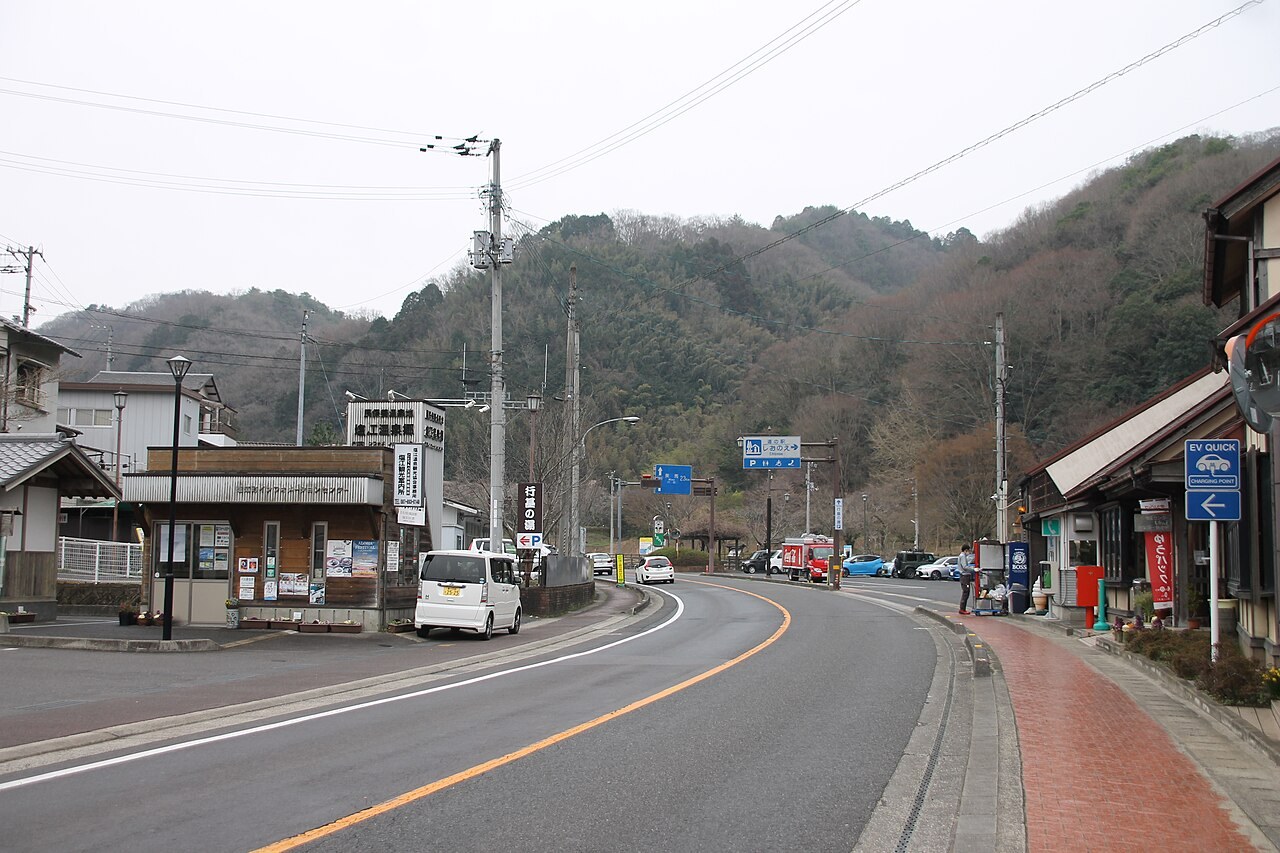
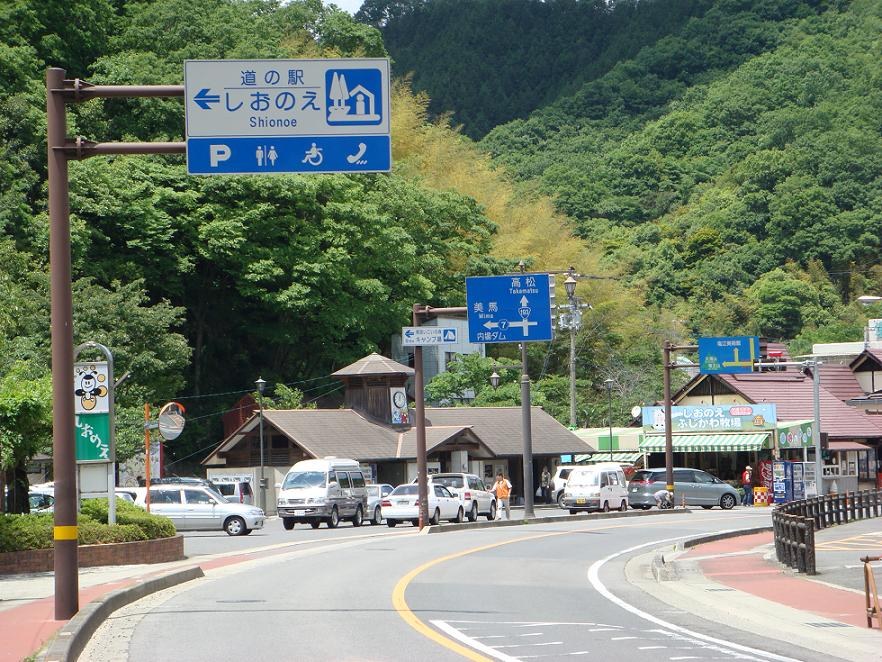
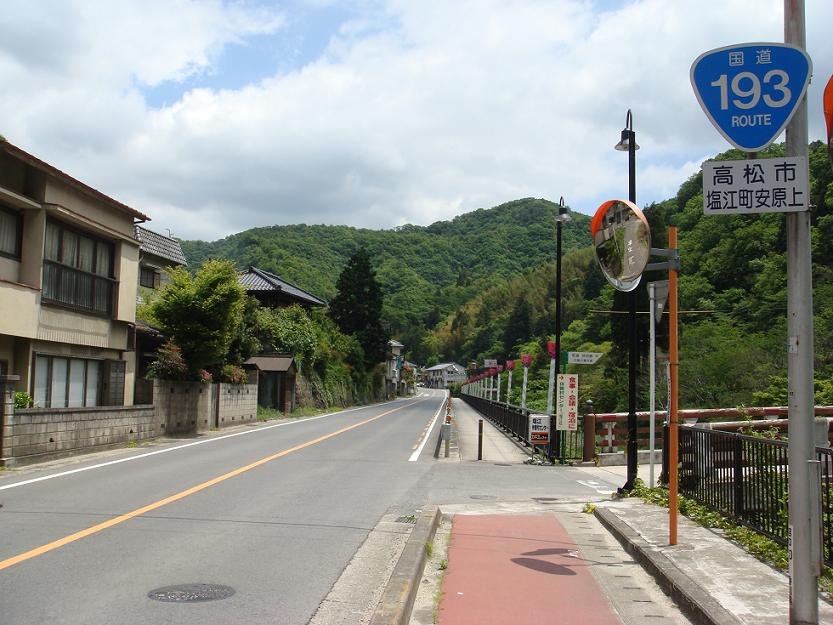
The modern town is small and green: a road of inns along the Kōtō River, a roadside station, and walks into the hills of the former Shionoe town. It was designated a National Health Onsen district in 2002 for the quality of its waters and its quiet. Come for slowness — fireflies over the river in June, maples in November — rather than for a great resort's bustle.
Additional sections above were translated and summarised from the Japanese Wikipedia article 「塩江温泉」, available under CC BY-SA 4.0.
Bathhouses and inns confirmed on official sources (5)
This town's bathhouses were not recorded in OpenStreetMap, so the list below was compiled by hand from official sources — the facilities' own websites and the Shionoe Net onsen tourism site (checked on 2026-11-05). Prices and opening hours are not listed, as they change often; confirm them on each official site before you go.
- Shin Kabakawa Kanko Hotel 新樺川観光ホテル
Onsen hotel in Shionoe where every guest room has the town's alkaline spring (pH 9.12, the local beppin-no-yu beauty water) piped into its own bath; day-use bathing is also accepted.
Official website - Hotel Second Stage ホテルセカンドステージ
Experience-based lodging hotel in Shionoe Onsenkyo.
Official website - Hyper Resort Villa Shionoe ハイパーリゾート ヴィラ塩江
Resort hotel in Shionoe Onsen with a large bath, an open-air bath and a sauna.
Official website (hotel group) - Livemax Resort Sanuki Shionoe Onsen リブマックスリゾート讃岐塩江温泉
Resort hotel with natural onsen and open-air baths; rebranded from Sanuki Onsen in 2025.
Official website - Irori-no-Yado Uotora INN いろりの宿 魚虎INN
Small irori (hearth) inn in Shionoe, formerly Uotora Ryokan, with a fully private reservable onsen bath.
Official website
Gallery


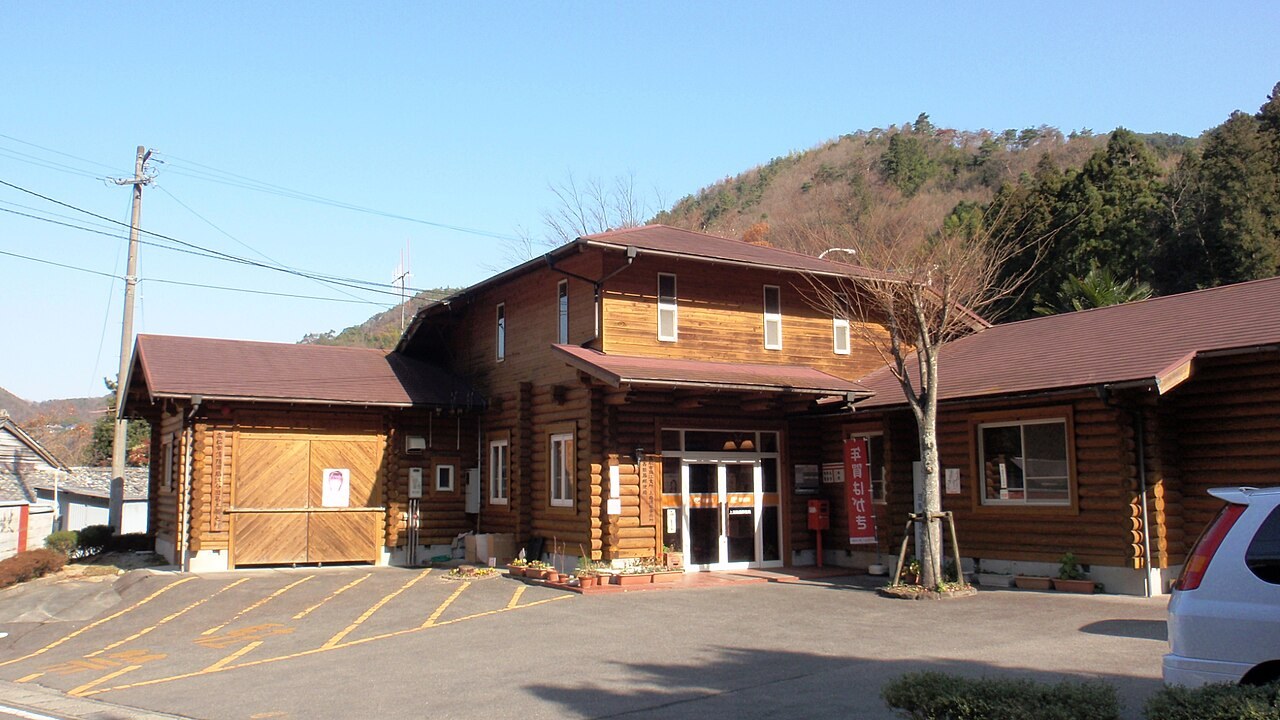

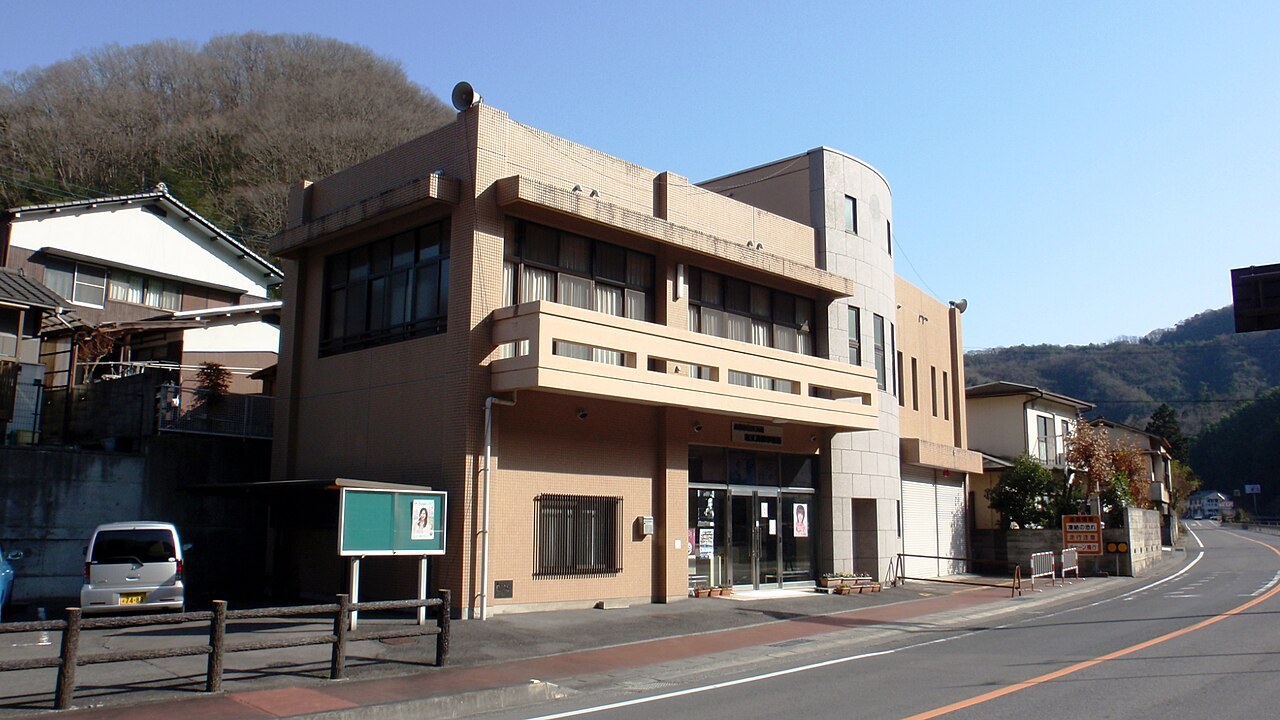

The facility list on this page was compiled by hand from official sources, not from OpenStreetMap — see the list above the gallery. Before your first visit, read how to use an onsen.
More onsen towns
- Dogo Onsen 道後温泉 — Across Shikoku — the famous ancient spring of Matsuyama
- Iya Onsen 祖谷温泉 — Into the mountains — the hidden spring at the bottom of the Iya gorge
- Ashizuri Onsen 足摺温泉 — South to the cape at the island's tip
- Misasa Onsen 三朝温泉 — Another quiet health-resort spring town (radon waters in Tottori)
Keep exploring
- All onsen towns in Shikoku — this town's region, town by town
- Browse by spring type — find towns by their water
- Browse by feature — day trips, snow-view baths, free communal baths and more