Home › Onsen towns › Ashizuri Onsen
Ashizuri Onsen 足摺温泉
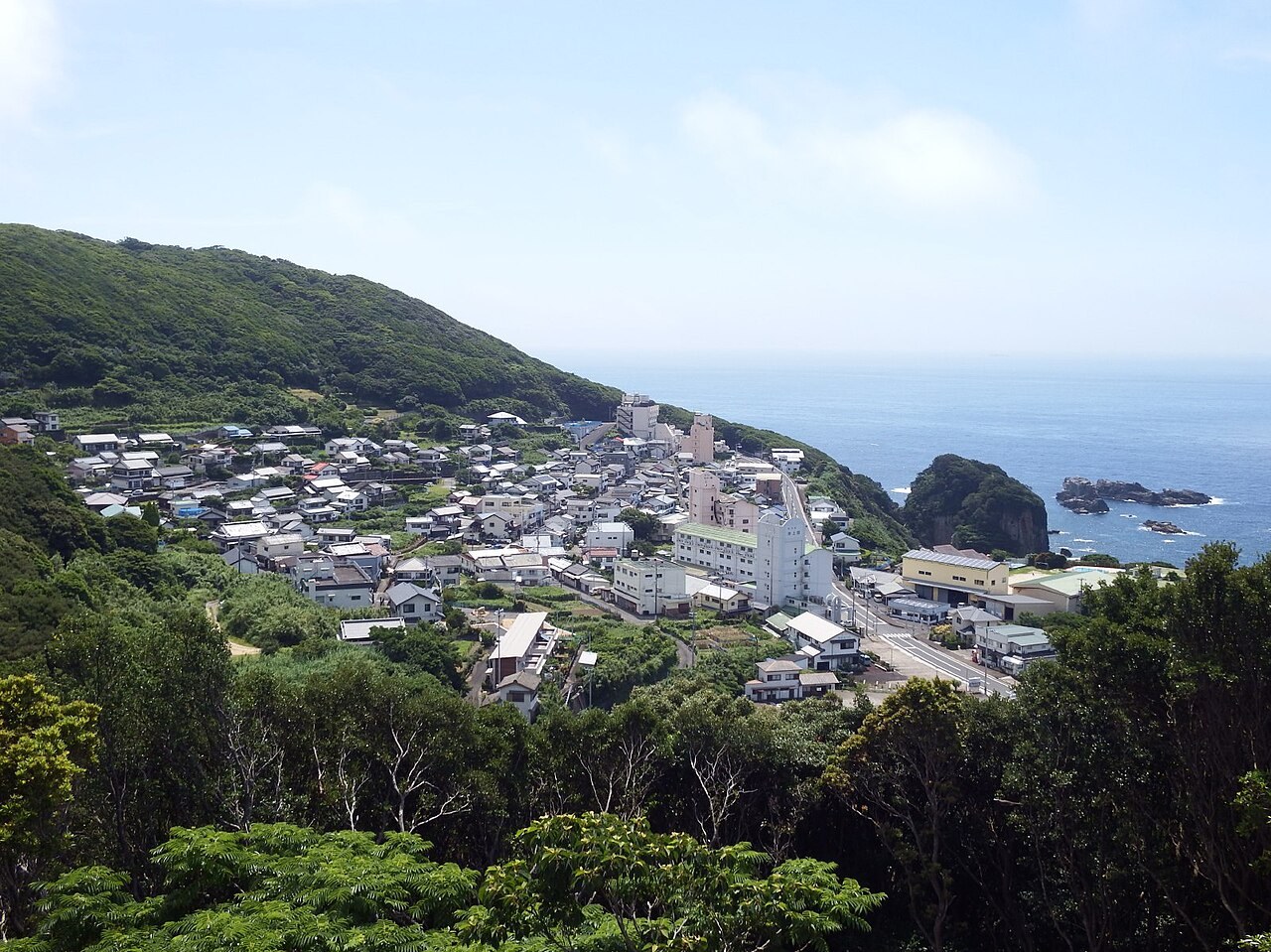
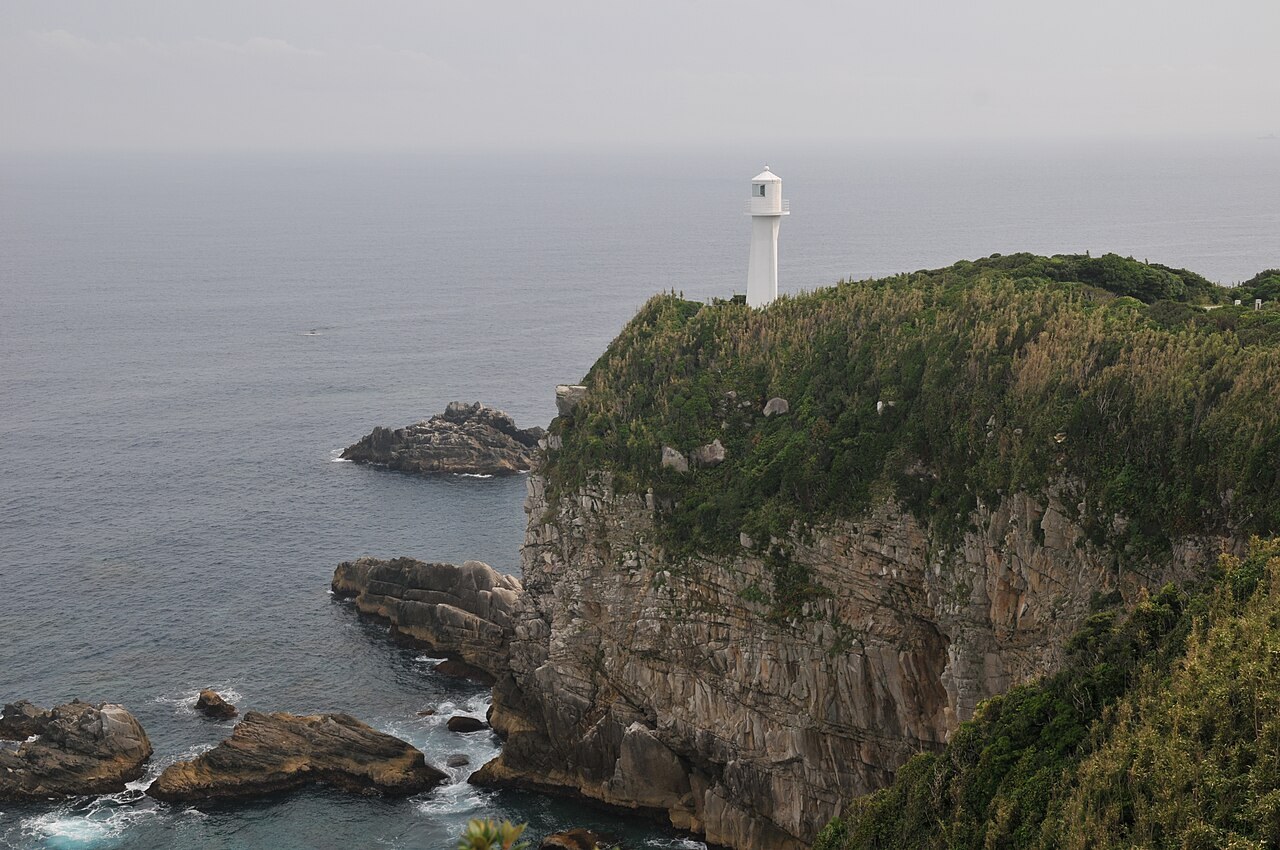
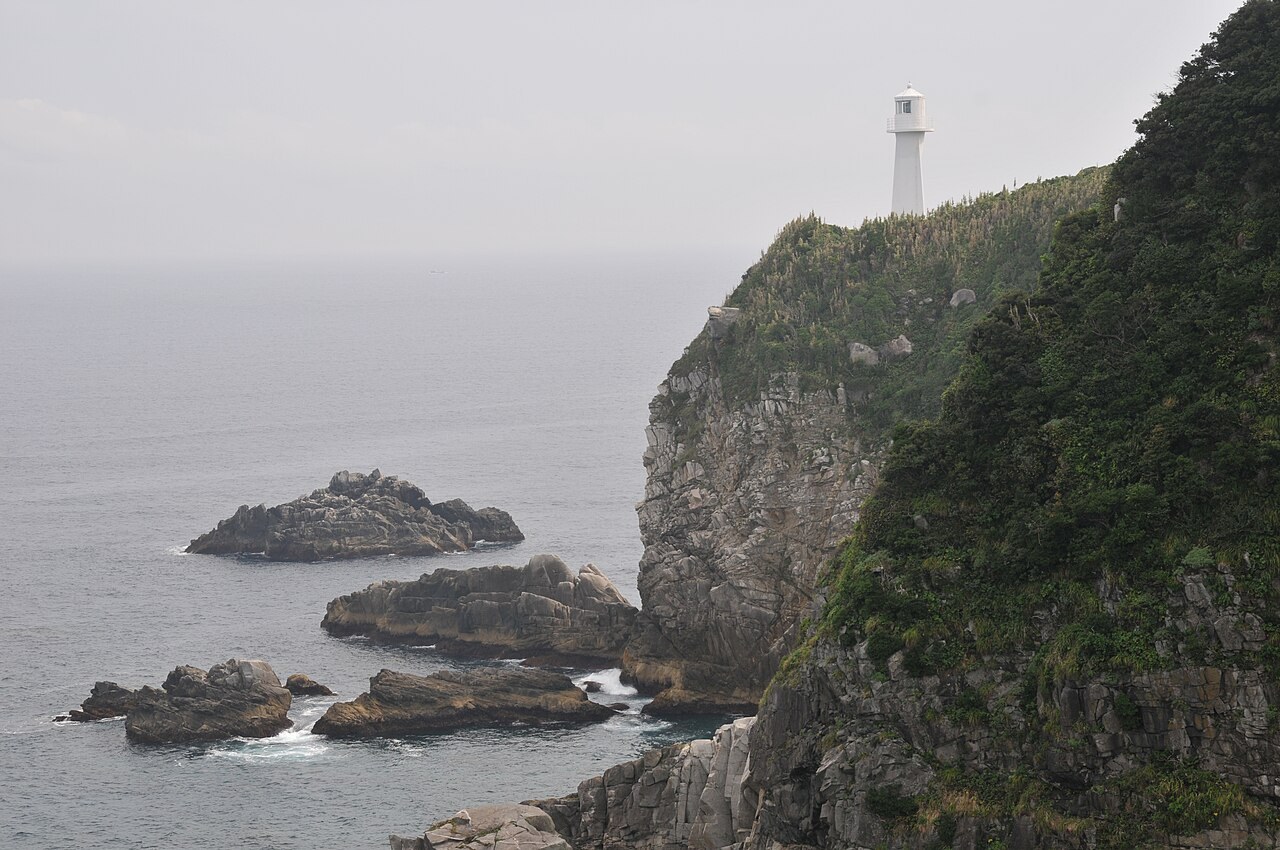
Ashizuri's springs gather at the foot of Cape Ashizuri, the southernmost point of Shikoku, about 90 minutes by bus from Nakamura Station. The water is a weakly radioactive cold mineral spring (about 22 °C at source, heated for bathing) serving inns on the cape where Kūkai is said to have trained. Below are the bathhouses, spring sources and onsen facilities recorded in OpenStreetMap within about 3 km of the town centre.
| Prefecture | Kochi |
|---|---|
| Region | Shikoku |
| Spring quality | Simple weakly radioactive cold mineral spring |
| Source temperature | About 22 °C at source (cold mineral spring, heated for bathing) |
| Nearest station | Nakamura (Tosa Kuroshio Railway), then about 90 minutes by bus |
| From Tokyo | Fly to Kochi (about 1 h 30 min), then about 3 hours by train + bus |
| From Osaka | About 5 hours — fly to Kochi + bus, or rail via Okayama and Kochi |
| Best season | Spring and autumn for cape walking; February camellias at the cape |
| Places listed here | 1 |
| Public bathhouses | 1 |
| Hot spring sources | 0 |
Spring quality, source temperatures and access routes are drawn from the Japanese Wikipedia articles on each town (CC BY-SA 4.0) and the English articles credited below. Journey times are typical scheduled times for the routes named, rounded — always check current timetables before you travel.
About Ashizuri Onsen
Ashizuri Onsen (足摺温泉) is the hot-spring village of Cape Ashizuri in Tosashimizu, Kochi Prefecture, at the southern tip of Shikoku. Its spring is a simple weakly radioactive cold mineral spring that emerges at about 22 °C and is heated for bathing — an unusual water for such a famous name, and part of the cape’s quiet character. The village, often called the Ashizuri Onsenkyo, faces the open Pacific from the end of the cape road.
Getting here is part of the experience: the nearest station is Nakamura, on the Tosa Kuroshio Railway, and from there a bus runs about 90 minutes south to the cape. There is no shortcut, and the village makes no apology for that — this is a place to arrive at slowly and stay the night, with the ocean in front of the inns and the whole of Shikoku behind you.
February camellias and cape walking: when to come
The recorded best seasons split the year into two kinds of visit. Spring and autumn are the seasons for cape walking, when the paths around the point can be covered on foot in mild weather and the Pacific views are the main event. February brings a different draw: camellias bloom at the cape in midwinter, giving the southern tip a splash of colour while most of Japan is still bare.
Because the village sits at the very end of the road, a visit works best unhurried — a walk around the cape by day, a long soak in the heated spring water in the evening, and the sound of the open sea after dark. Guests who try to fit Ashizuri into a day’s driving between distant cities usually find the cape deserves a night of its own.
The long road south: getting to Ashizuri
From Tokyo, the standard route is a flight to Kochi, which takes about 1 hour 30 minutes, followed by roughly 3 hours more by train and bus down to the cape. From Osaka the whole journey runs to about 5 hours, either by flying to Kochi and continuing by bus, or by rail via Okayama and Kochi and then the same bus from Nakamura.
The final leg is the same for almost everyone: the Tosa Kuroshio Railway to Nakamura Station, then about 90 minutes by bus to Ashizuri. Timetables on this last stretch are not frequent, so checking the bus connection before setting out — and building the day around it — is the practical key to a smooth arrival at the southern tip of Shikoku.
The sections above were written for this guide from the facts in the Japanese Wikipedia article 「足摺温泉」 and the spring and access data summarised on this page, under CC BY-SA 4.0.
Baths at the very tip of Shikoku
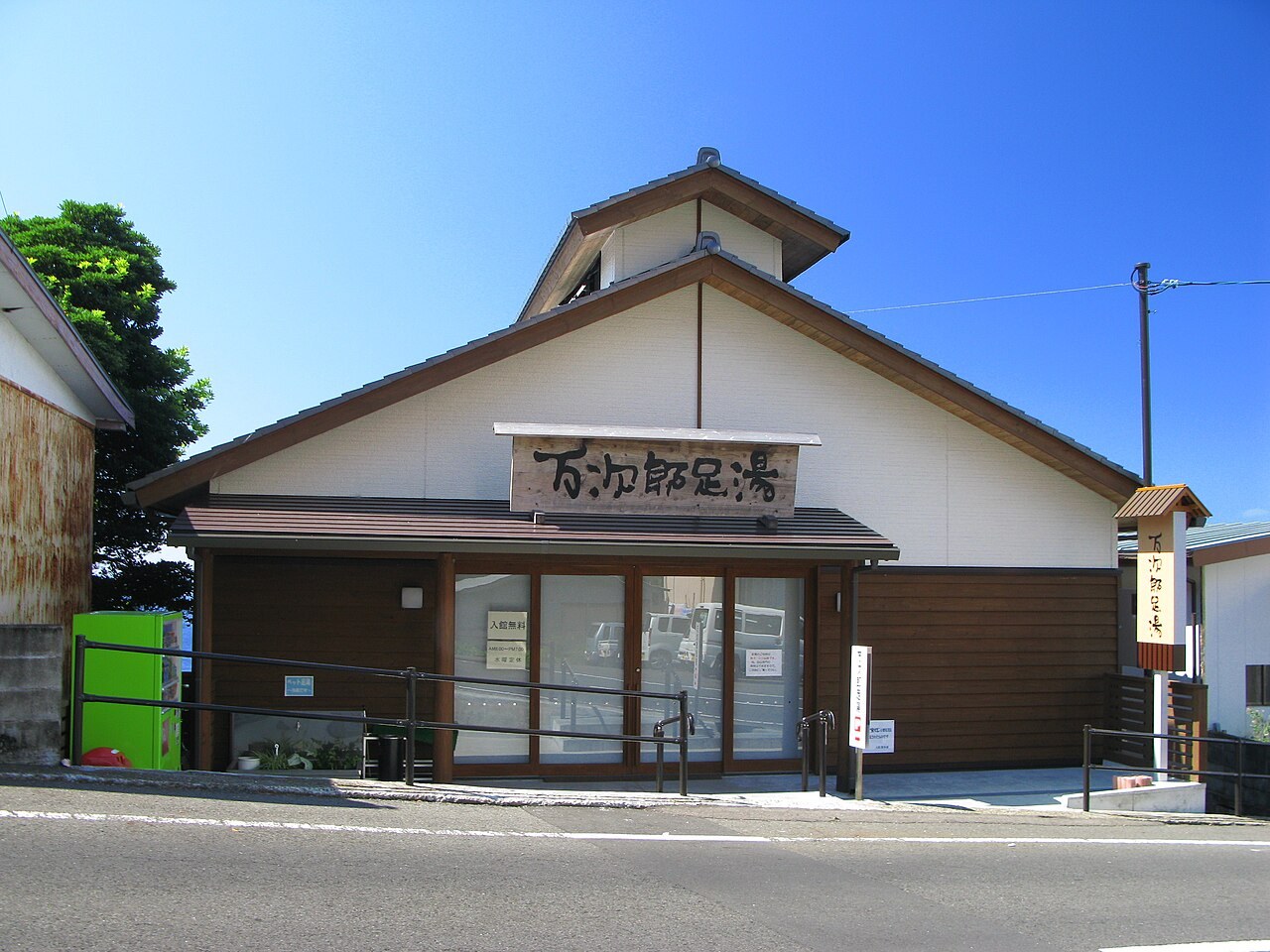
Ashizuri Onsen spreads around Cape Ashizuri, the southernmost point of Shikoku, where the inns face the open Pacific. Eight inns draw the spring water, alongside a handful of lodgings without it. The water itself is unusual: a weakly radioactive cold mineral spring emerging at about 22 °C, warmed for bathing. In the village, the Manjiro footbath uses the natural spring and is free — towels are sold cheaply on site — with the white arch of Hakusan Domon, a sea-eroded rock gate, in view across the road.
A spring lost, and bored back to life
Tradition gives the spring a 1,200-year history: Kukai (Kobo Daishi) is said to have founded the temple of Kongofuku-ji here and healed himself in water welling from the valley. About 150 years ago a crustal upheaval — remembered as the great change of a tiger year — stopped the flow, and Ashizuri's first onsen history ended. Test boring in 1989 found the water again, and the modern Ashizuri Onsen village was completed in 1999. The cape is remote by design: the bus from Nakamura Station on the Tosa Kuroshio Railway takes about 100 minutes.
Visiting the cape
Plan Ashizuri as a slow trip: the cape is the end of the road, about 100 minutes by bus from Nakamura Station, and the inns are scattered around the point rather than gathered in one street, so most guests arrive by car or tour bus and settle in for the night. By day, the free Manjiro footbath — set in front of the local police box, with free parking across the road and towels available for 100 yen — is the easiest taste of the spring: natural onsen water, the Hakusan Domon rock arch in front of you, and the Pacific beyond.
Additional sections above were translated and summarised from the Japanese Wikipedia article 「足摺温泉」, available under CC BY-SA 4.0.
Public bathhouse (spring type not recorded in OpenStreetMap) (1)
- 万次郎足湯
OpenStreetMap
Gallery




Names, types and websites are shown exactly as recorded in OpenStreetMap. A bathhouse whose spring type is not recorded is labelled as such — we do not guess. Before your first visit, read how to use an onsen.
More onsen towns
- Iya Onsen 祖谷温泉 — North into Shikoku's other great gorge — the vine bridges of Iya
- Shionoe Onsen 塩江温泉 — Takamatsu's mountain valley spring
- Dogo Onsen 道後温泉 — Shikoku's famous ancient spring in Matsuyama
- Ibusuki Onsen 指宿温泉 — Another cape-town spring at a southern tip (Satsuma Peninsula)
Keep exploring
- All onsen towns in Shikoku — this town's region, town by town
- Browse by spring type — find towns by their water
- Browse by feature — day trips, snow-view baths, free communal baths and more