Home › Onsen towns › Fukuroda Onsen
Fukuroda Onsen 袋田温泉
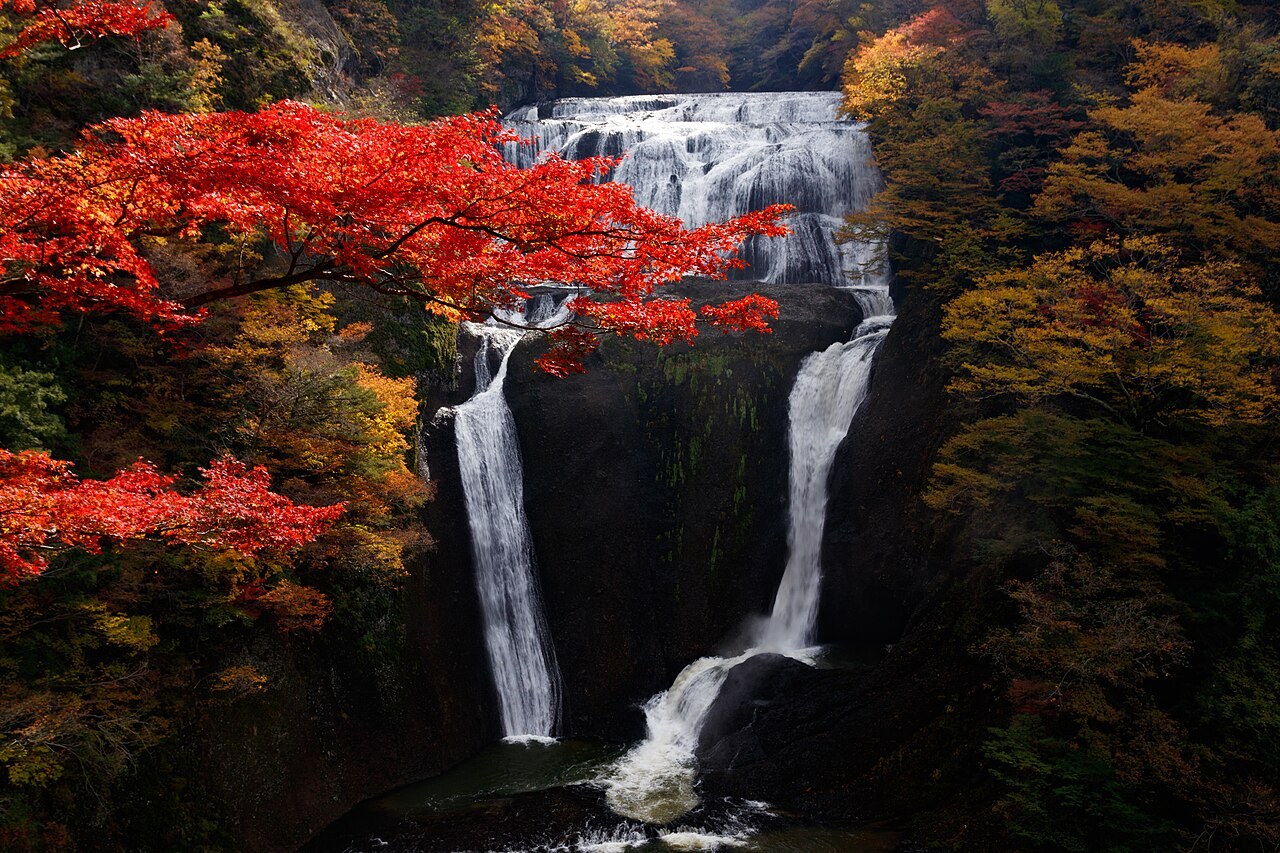
Fukuroda's springs warm the mountain town of Daigo in northern Ibaraki, about 5 minutes by taxi from Fukuroda Station — and a short walk from Fukuroda Falls, a 120-metre cascade counted among Japan's three great waterfalls. Together with nearby Daigo, Tsukui and Asakawa springs it forms the Okukuji Onsen area. Below are the bathhouses, spring sources and onsen facilities recorded in OpenStreetMap within about 2.5 km of the town centre.
| Prefecture | Ibaraki |
|---|---|
| Region | Kanto |
| Spring quality | Sodium-chloride spring and simple springs (varies by source in the Okukuji area) |
| Source temperature | Varies by source across the Okukuji spring villages |
| Nearest station | Fukuroda (JR Suigun Line), then about 5 minutes by taxi |
| From Tokyo | About 3 hours — limited express to Mito + JR Suigun Line, or highway bus to Daigo |
| From Osaka | About 6 hours via Tokyo and Mito |
| Best season | Autumn for the falls and gorge leaves; winter for the frozen cascade |
| Places listed here | 2 |
| Public bathhouses | 2 |
| Hot spring sources | 0 |
Spring quality, source temperatures and access routes are drawn from the Japanese Wikipedia articles on each town (CC BY-SA 4.0) and the English articles credited below. Journey times are typical scheduled times for the routes named, rounded — always check current timetables before you travel.
About Fukuroda Onsen
Fukuroda Onsen (袋田温泉) is a small hot-spring village in Daigo Town, in the Kuji district of northern Ibaraki Prefecture — the old province of Hitachi. It is one of a cluster of springs in the Okukuji mountains: Fukuroda itself, Daigo Onsen, Tsukui Onsen and Asakawa Onsen together are known collectively as the Okukuji Onsenkyō, the Okukuji spring country.
The village is the lodging quarter for the waterfall that shares its name, and its inns draw on sodium-chloride springs and simple springs, varying from source to source across the Okukuji villages. The nearest station is Fukuroda on the JR Suigun Line, about five minutes away by taxi.
The water: chloride and simple springs, well by well
Fukuroda’s recorded spring qualities are two: sodium-chloride springs and simple springs, and which one fills your bath depends on the source your inn draws on. Source temperatures likewise vary by source across the Okukuji spring villages, so the area is best understood as a set of small, individually sourced baths rather than one uniform spring field.
That modest scale is consistent with the place itself. This page lists two public bathhouses at Fukuroda, and the inns are the small, family-run establishments of a waterfall town. Visitors choosing between inns can treat the spring type — the saltier chloride water or the milder simple water — as one of the practical differences between houses, and check the inn’s own listing before booking.
The wider grouping matters when planning a stay. Because Fukuroda belongs to the Okukuji Onsenkyō alongside Daigo, Tsukui and Asakawa, a longer visit can move between the valley’s spring villages, comparing waters that differ from source to source, rather than treating one inn’s bath as the whole story of the area.
Getting to Fukuroda: the Suigun Line and the last five minutes
The railway approach is part of the trip’s character. Fukuroda Station, on the JR Suigun Line through the Kuji River country, is about five minutes by taxi from the spring village. From Tokyo the journey takes about three hours, either by limited express to Mito and then the Suigun Line, or by highway bus to Daigo. From Osaka, allow about six hours via Tokyo and Mito.
The table of seasons for Fukuroda is led by autumn, for the falls and the gorge leaves, with winter bringing the frozen cascade. Because the rail leg is slow and scenic rather than fast, Fukuroda suits travellers who count the Suigun Line ride through northern Ibaraki as part of the outing — a spring village reached at a country pace, and best enjoyed at one.
The sections above were written for this guide from the facts in the Japanese Wikipedia article 「袋田温泉」 and the spring and access data summarised on this page, under CC BY-SA 4.0.
The falls and the Okukuji springs
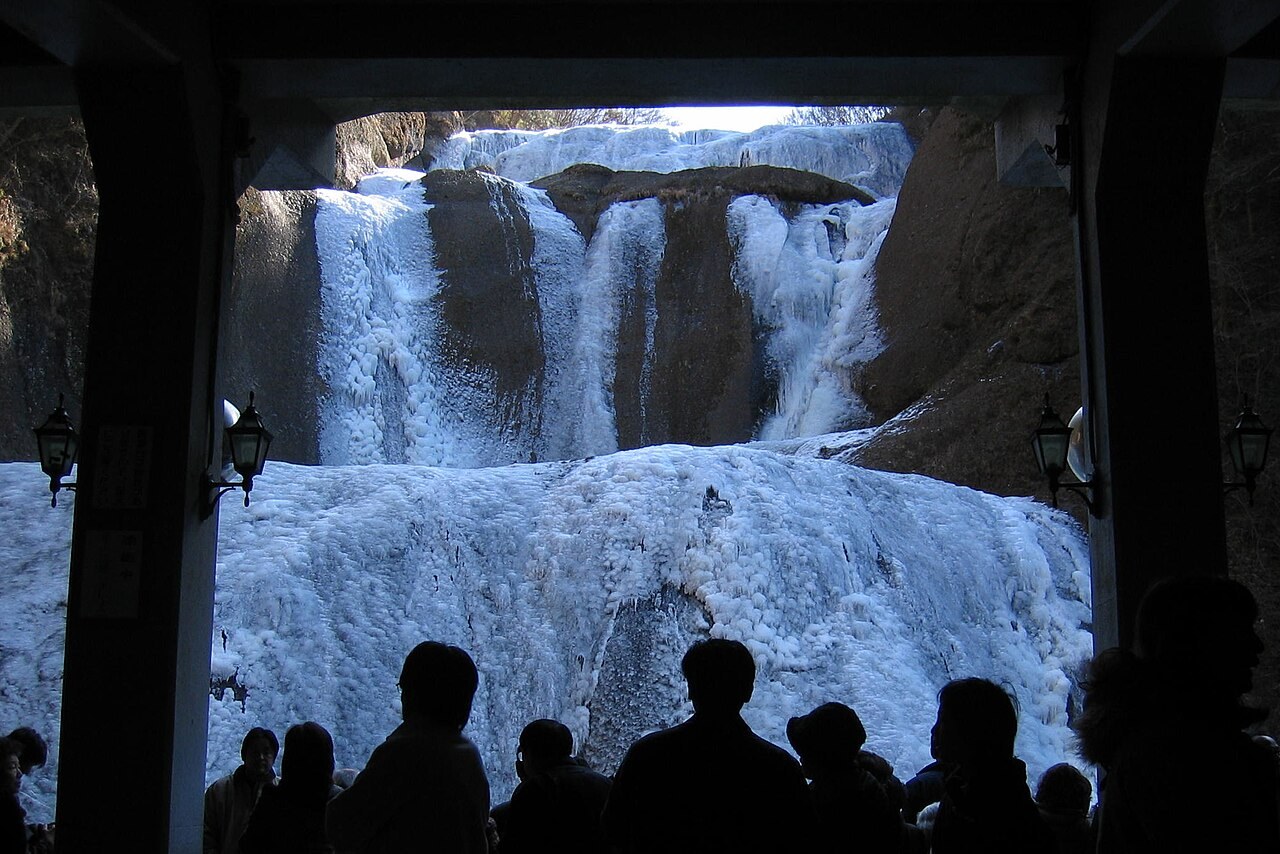
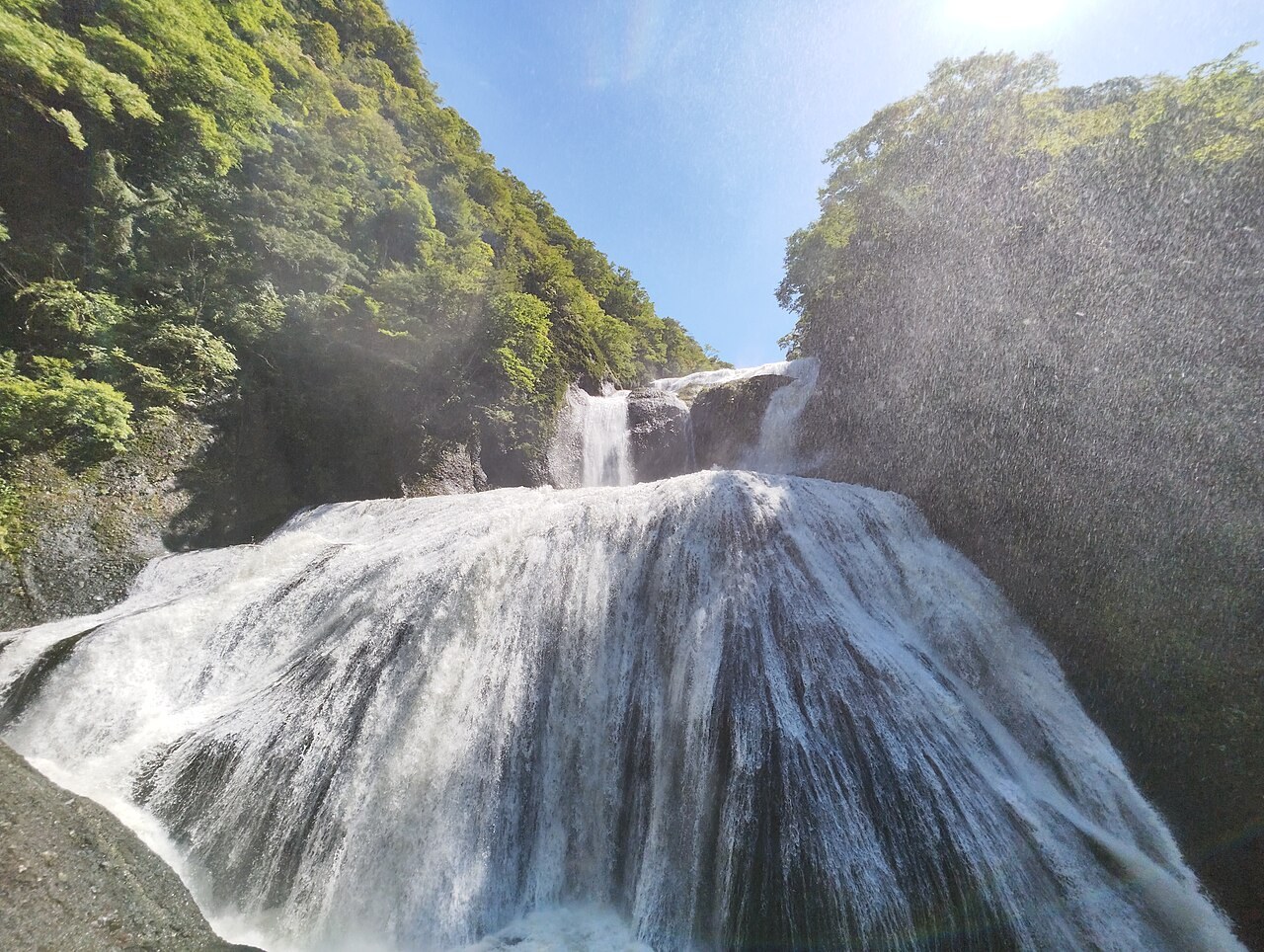
Fukuroda Falls drops 120 metres in four tiers down the Taki River, a short walk from the spring inns, and has been counted among Japan's three great waterfalls since the Edo period, when the Confucian scholar Tokugawa Mitsukuni is said to have praised it. In hard winters the whole cascade freezes and climbers ascend the ice. The onsen town grew as the falls' lodging quarter, and the wider Okukuji area adds the neighbouring springs of Daigo, Tsukui and Asakawa along the Kuji River valley.
The waters here are modest and varied — sodium-chloride and simple springs recorded in the town's wells — and the inns are small, family-run places serving river fish and Okukuji shamo chicken. This is a waterfall town first and a spring town second, and it is at its best when the gorge maples turn in November.
Additional sections above were translated and summarised from the Japanese Wikipedia article 「袋田温泉」, available under CC BY-SA 4.0.
Public bathhouse (spring type not recorded in OpenStreetMap) (2)
- 月居温泉 滝見の湯
OpenStreetMap - 袋田温泉;関所の湯
OpenStreetMap
Gallery

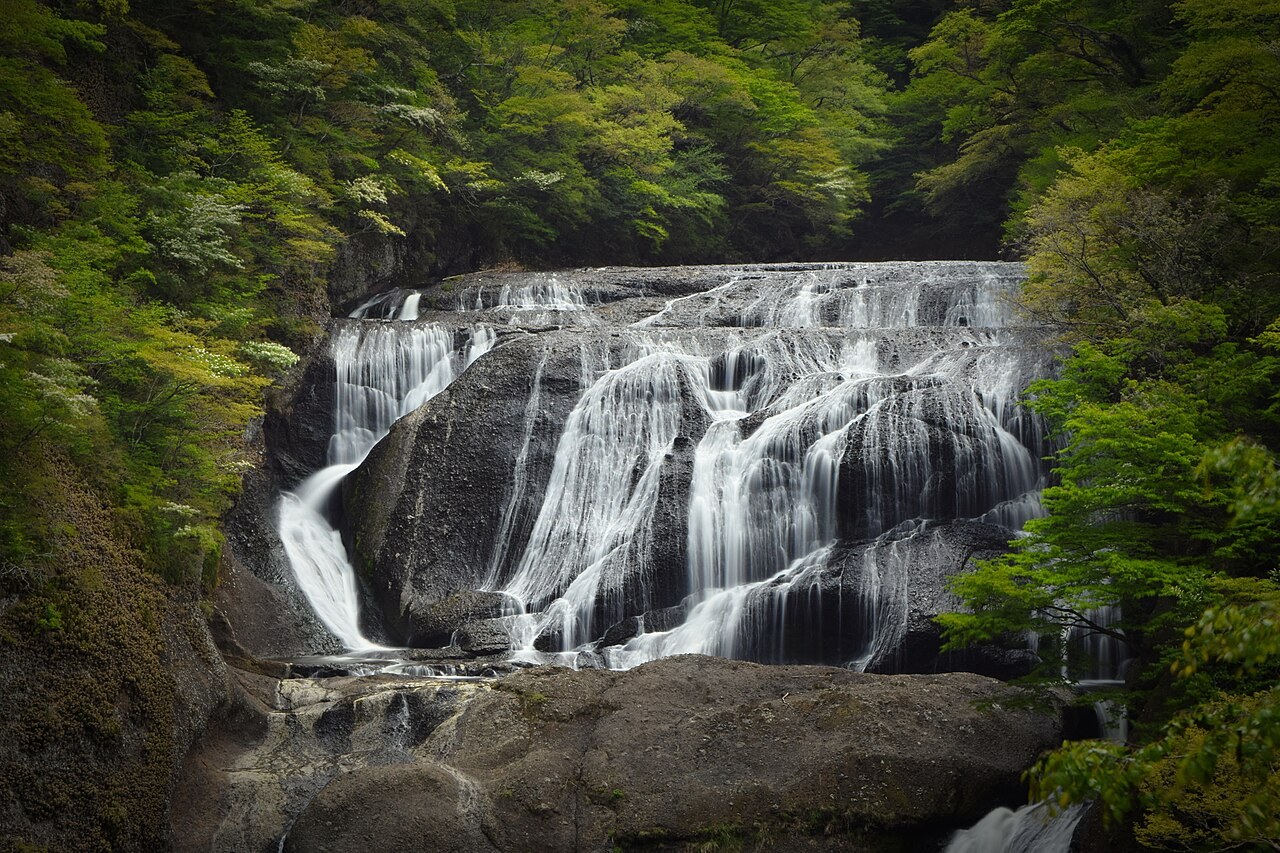

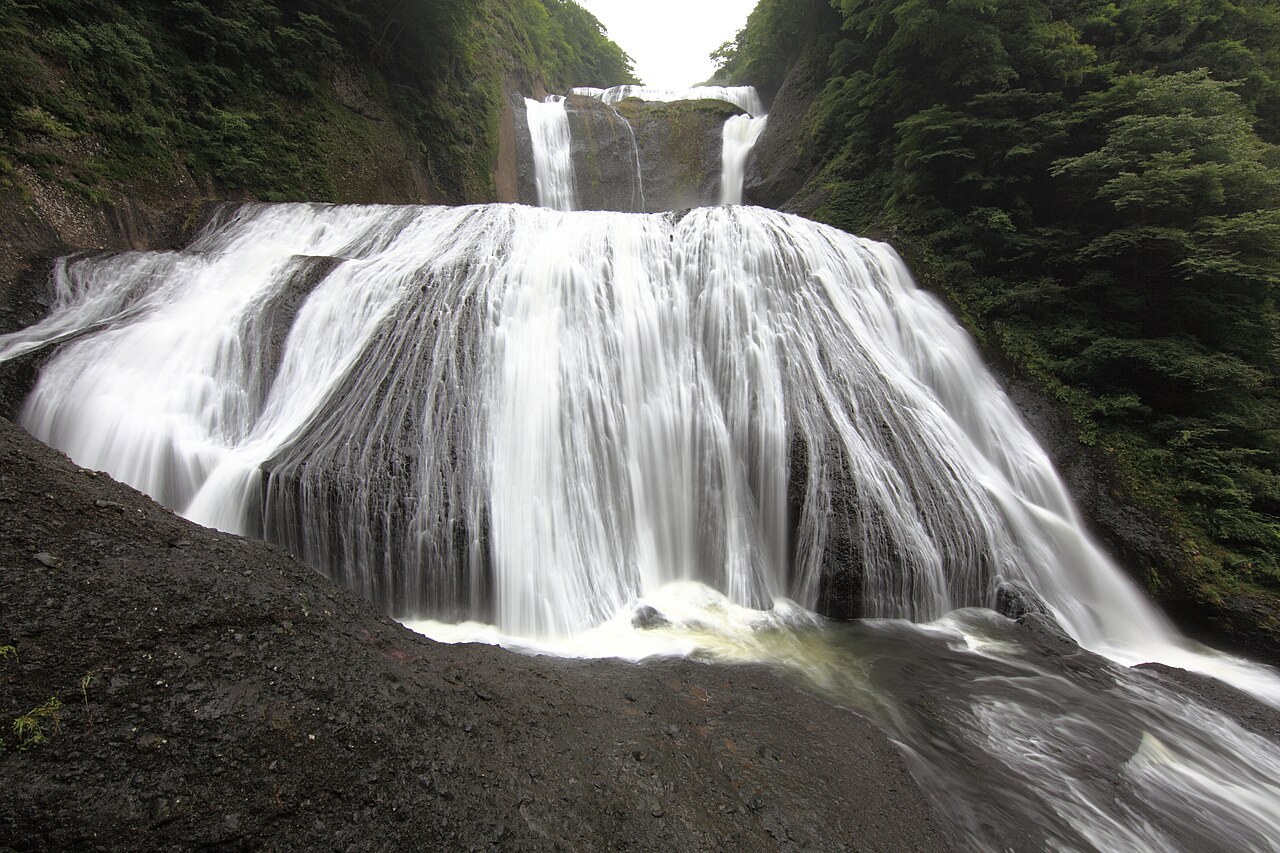

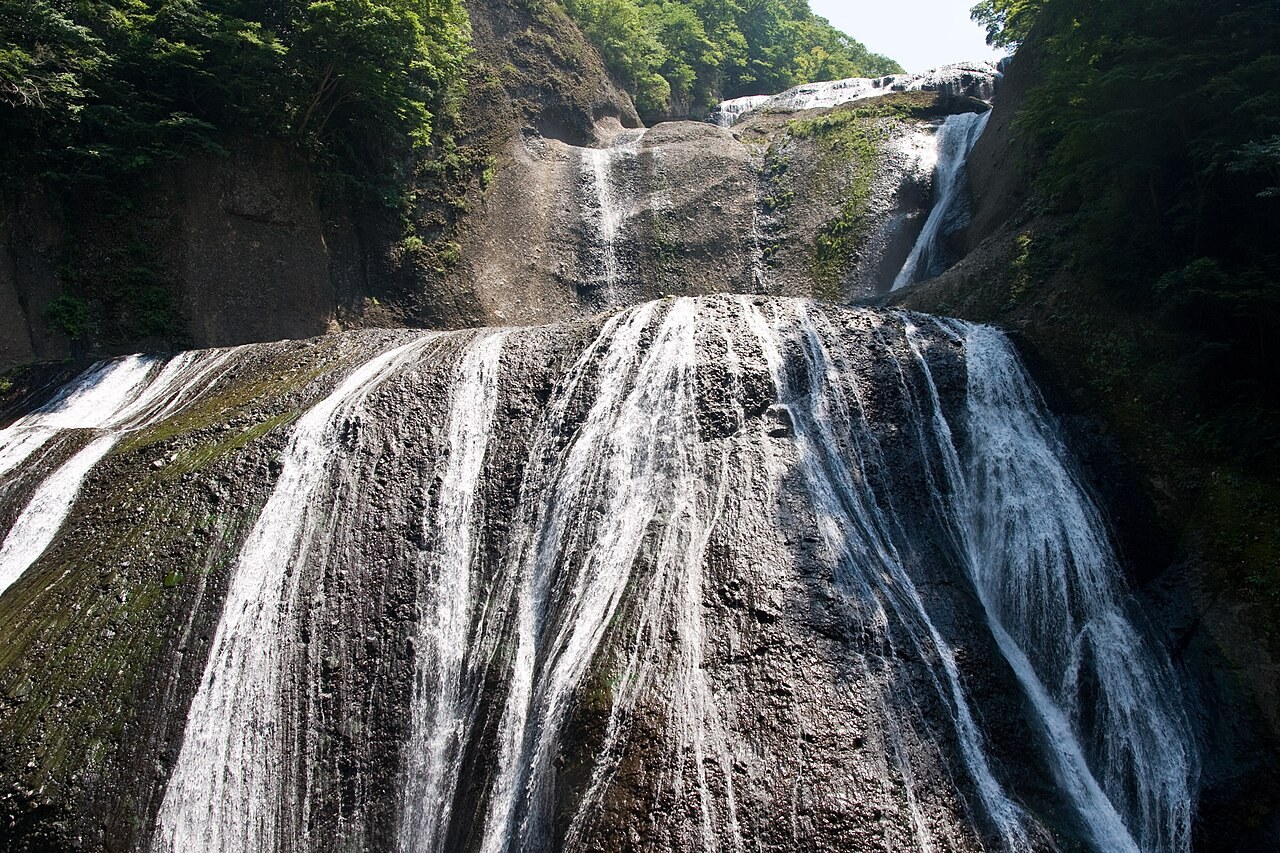

Names, types and websites are shown exactly as recorded in OpenStreetMap. A bathhouse whose spring type is not recorded is labelled as such — we do not guess. Before your first visit, read how to use an onsen.
More onsen towns
- Nasu Onsen 那須温泉郷 — The next highland spring area west — eight villages under Mount Nasu
- Iizaka Onsen 飯坂温泉 — Another northern Kanto–Tohoku cure town on a river
- Chichibu Onsen 秩父温泉 — Another mountain town of inns and shrines behind a great city
- Okutama Onsen 奥多摩温泉 — Tokyo's own mountain spring valley, at the end of the Ome Line
Keep exploring
- All onsen towns in Kanto — this town's region, town by town
- Browse by spring type — find towns by their water
- Browse by feature — day trips, snow-view baths, free communal baths and more