Home › Onsen towns › Bessho Onsen
Bessho Onsen 別所温泉
Tradition calls Bessho the oldest hot spring in Shinshu — the 'Spring of Release from the Seven Sufferings' of the Yamato Takeru legend — and it still feels like a temple town that happens to bathe: a gentle simple sulphur spring at 570 metres in Ueda, with three communal baths and the great old temples of Anrakuji, Jorakuji and Kitamuki Kannon earning it the name 'the Kamakura of Shinshu'.
| Prefecture | Nagano (Ueda) |
|---|---|
| Region | Chubu |
| Spring quality | Simple sulphur spring |
| Source temperature | Not stated in the sources used for this page (the town's supply is a mild sulphur water; check the town site for current figures) |
| Nearest station | Bessho-Onsen (Ueda Electric Railway Bessho Line terminus) — the town starts at the station |
| From Tokyo | About 2 hours — Hokuriku Shinkansen to Ueda (about 1 h 30 min) + Bessho Line (about 30 min) |
| From Osaka | About 4 hours 30 minutes via Tokyo or Nagoya and Ueda |
| Best season | Autumn for the temple maples; spring blossom; a quiet green summer at 570 m |
Spring quality, source temperatures and access routes are drawn from the Japanese Wikipedia articles on each town (CC BY-SA 4.0) and the English articles credited below. Journey times are typical scheduled times for the routes named, rounded — always check current timetables before you travel.
About Bessho Onsen
Bessho Onsen (別所温泉) is a hot spring town at about 570 metres in the hills of Ueda, Nagano. Local tradition makes it Shinshu's oldest spring: Yamato Takeru, it is said, opened seven springs here and named the water Nanakuri no Yu — the bath that frees bathers from the seven sufferings. Whatever the legend's age, the documented town is a temple town: the salt-road lords of the Shioda Hojo built their temples here, and Anrakuji's octagonal pagoda — a National Treasure — still stands in the pines above the baths.
The nickname 'the Kamakura of Shinshu' is earned on foot: Anrakuji, Jorakuji and the Kitamuki Kannon hall (famous as a charm against misfortune, facing Kitamuki — north — toward Zenkoji) cluster within a short walk of the bathhouses, in the two districts of Oyu and Innai.
The water and the three communal baths
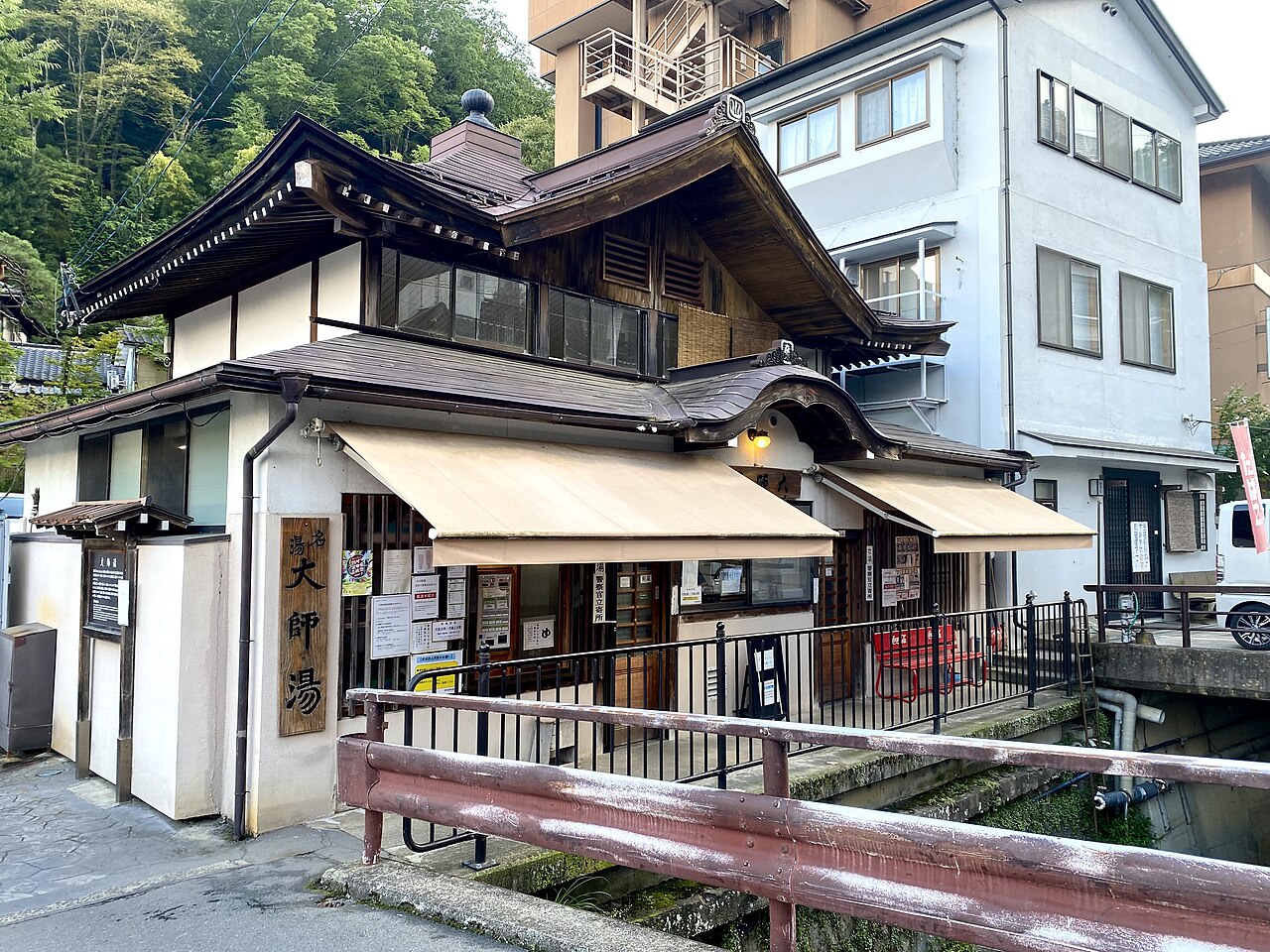
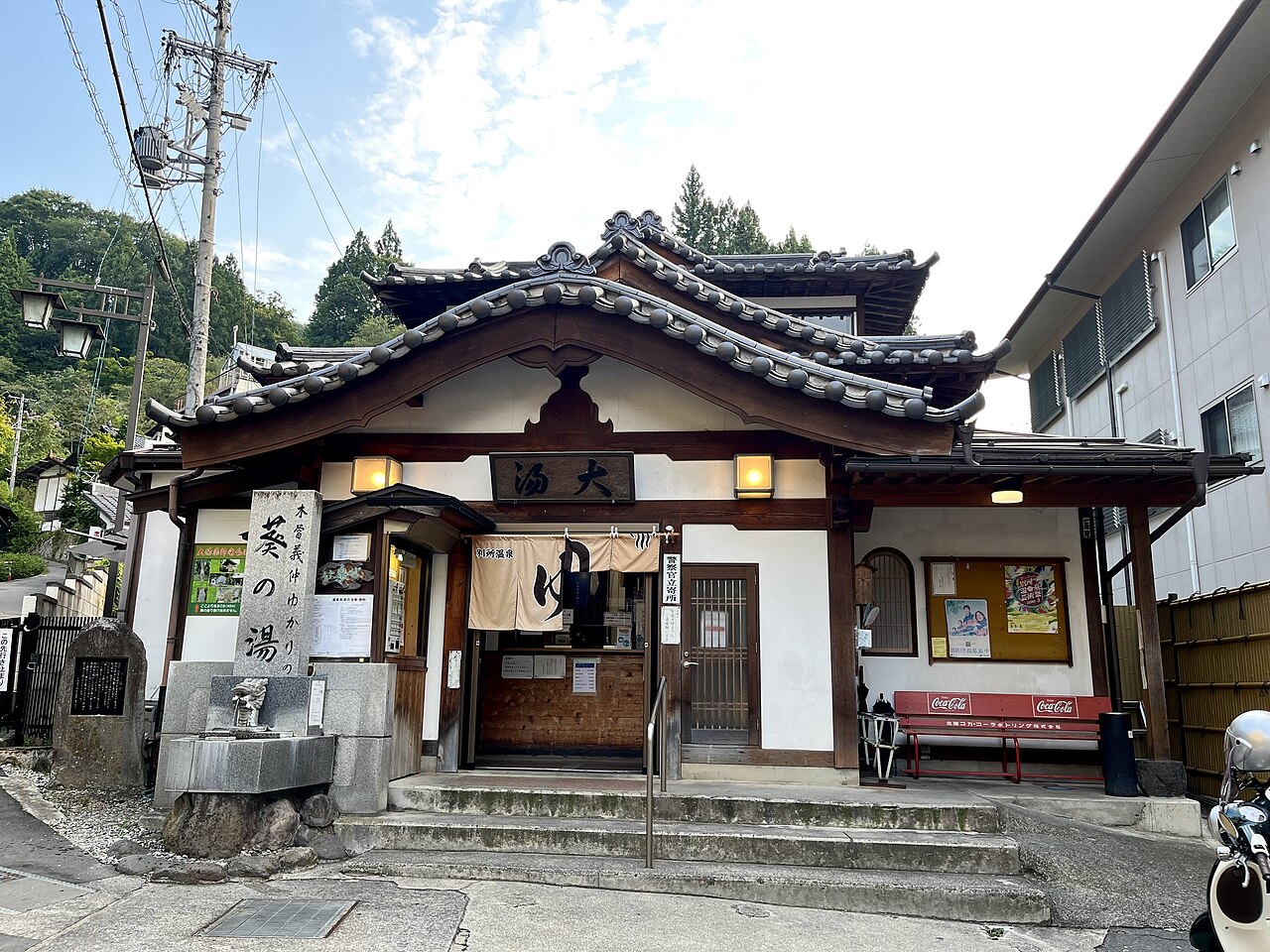
Bessho's water is a simple sulphur spring — a mild, faintly sulphurous water gentle enough for the cure trade that built the town. The bathing system is the classic sotoyu pattern: three communal bathhouses serve the town, each with its own story — Oyu, tied to the warlord Kiso Yoshinaka; Daishiyu, tied to Ennin (Jikaku Daishi); and Ishiyu, tied to Sanada Yukimura.
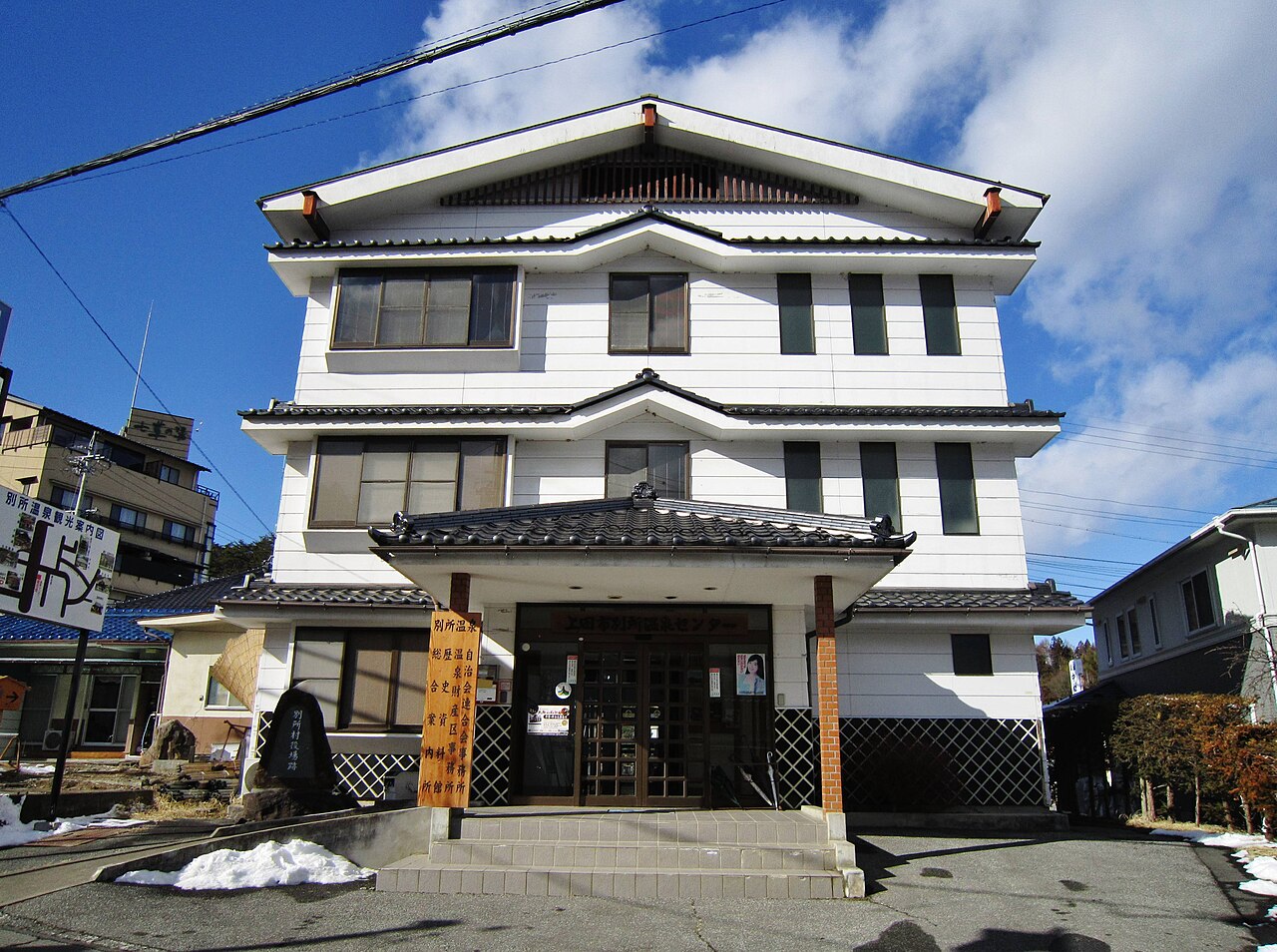
The two halves of town — the Oyu district, 7–8 minutes from the station, and the Innai temple district, about 15 minutes — are ten minutes apart on foot, so the full circuit of three baths and three temples is an easy half-day. The town-run Aizome no Yu, reopened in 2008 near the station, is the modern day-bathing anchor.
The Kamakura of Shinshu
Anrakuji Temple holds Japan's only surviving octagonal wooden pagoda, built in the Kamakura-period Chinese style — the single most important building in the Shioda plain. Jorakuji, its neighbour, keeps a stone pagoda and quiet halls; Kitamuki Kannon, founded in the Heian period, draws pilgrims who pair it with Zenkoji in Nagano City — the two temples face each other across the province, and visiting both is the traditional complete pilgrimage.
This is Bessho's difference from every resort in this batch: the sights are not scenery but architecture, and the bath is the reward at the end of the temple walk.
The little railway
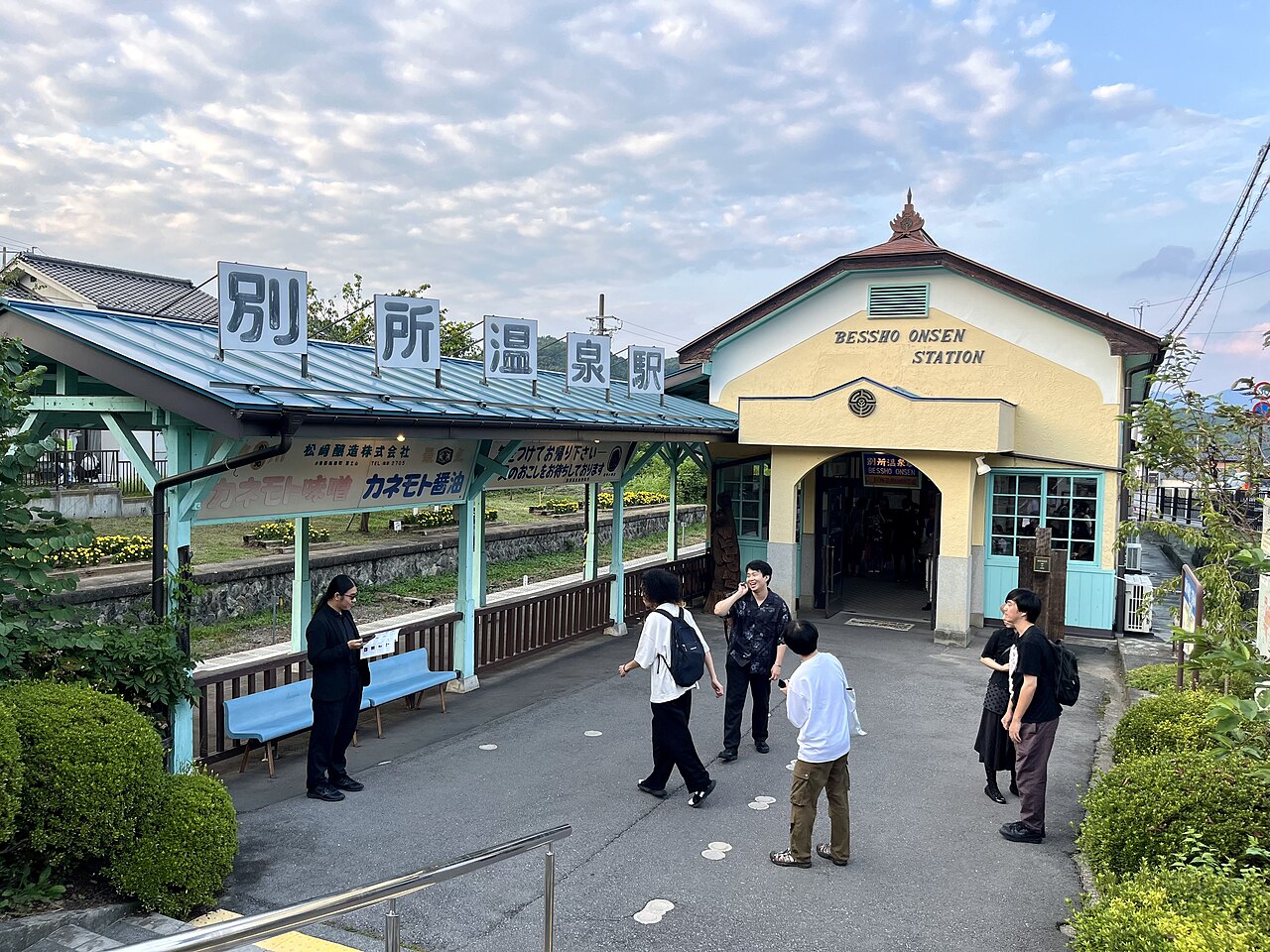
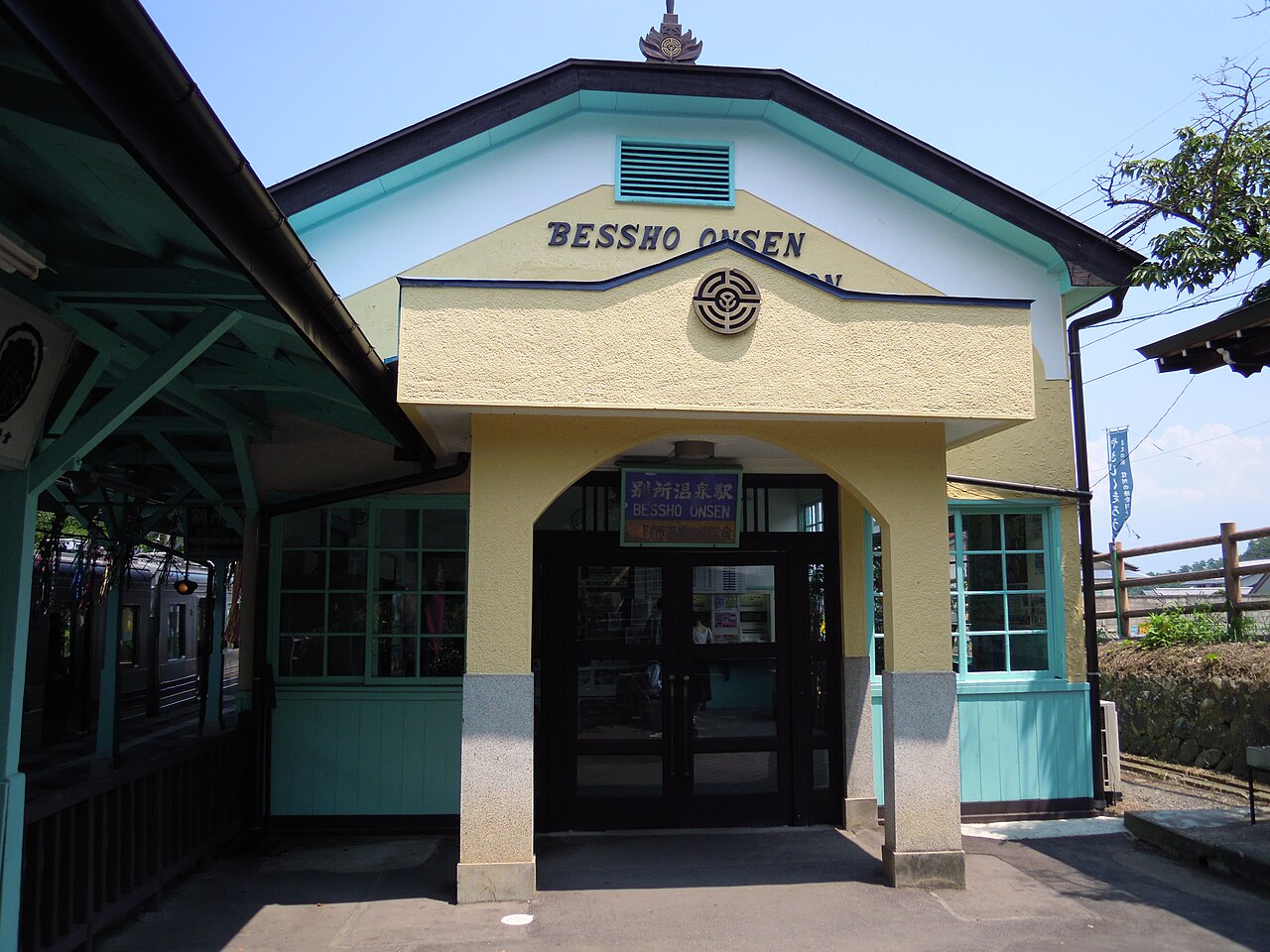
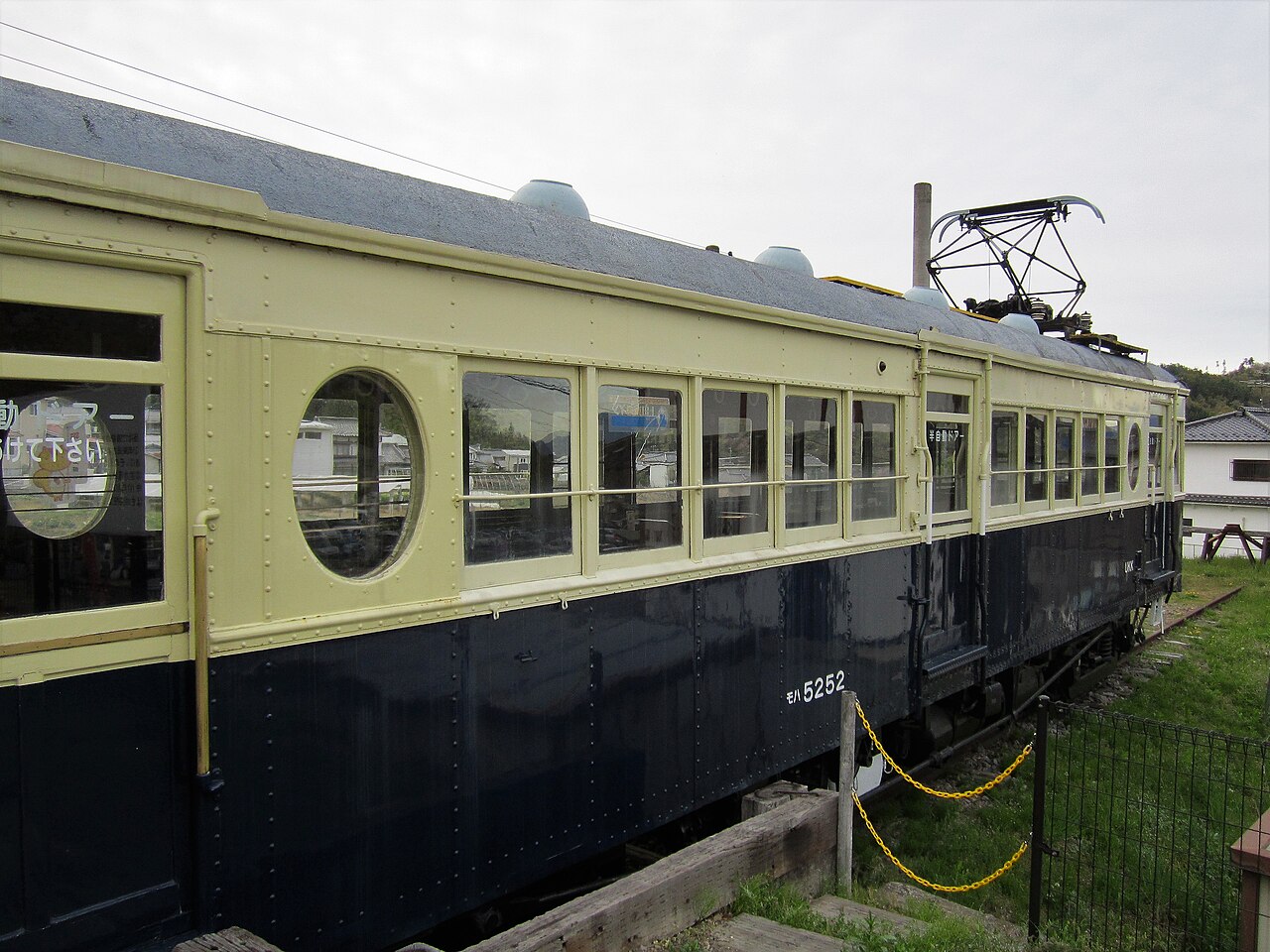
The Ueda Electric Railway Bessho Line — a 11.6 km local line of two-car trains — is the town's lifeline and half its charm; Bessho-Onsen Station's wooden building is the journey's period full stop. Ueda Castle and the Sanada story wait at the other end of the line.
Stay overnight if you can: Bessho is a small town, and its best hour is the evening, when the day visitors leave, the temple lanes empty and the three communal baths steam for the residents and the inn guests alone.
Getting there
Ride the Hokuriku Shinkansen to Ueda, change to the Bessho Line, and ride to its terminus, Bessho-Onsen Station (about 30 minutes). The Oyu district is 7–8 minutes on foot; the temple district about 15. Drivers use the Ueda-Sugadaira interchange of the Joshinetsu Expressway.
The sections above were written for this guide from the facts in the Wikipedia articles 「別所温泉」, available under CC BY-SA 4.0, and official tourism sources.
Gallery




The springs and baths named on this page are described from the Wikipedia articles credited above and official tourism sources. Before your first visit, read how to use an onsen.
More onsen towns
- Shibu Onsen 渋温泉 — Nagano's nine-bath crawl — the sister sotoyu town
- Nozawa Onsen 野沢温泉 — Nagano's free-bath ski village, the boisterous northern cousin
- Kusatsu Onsen 草津温泉 — The sulphur extreme across the mountains in Gunma
- Ginzan Onsen 銀山温泉 — The preserved-street romance, Yamagata style
Keep exploring
- All onsen towns in Chubu — this town's region, town by town
- Browse by spring type — find towns by their water
- Browse by feature — day trips, snow-view baths, free communal baths and more