Home › Onsen towns › Kitago Onsen
Kitago Onsen 北郷温泉
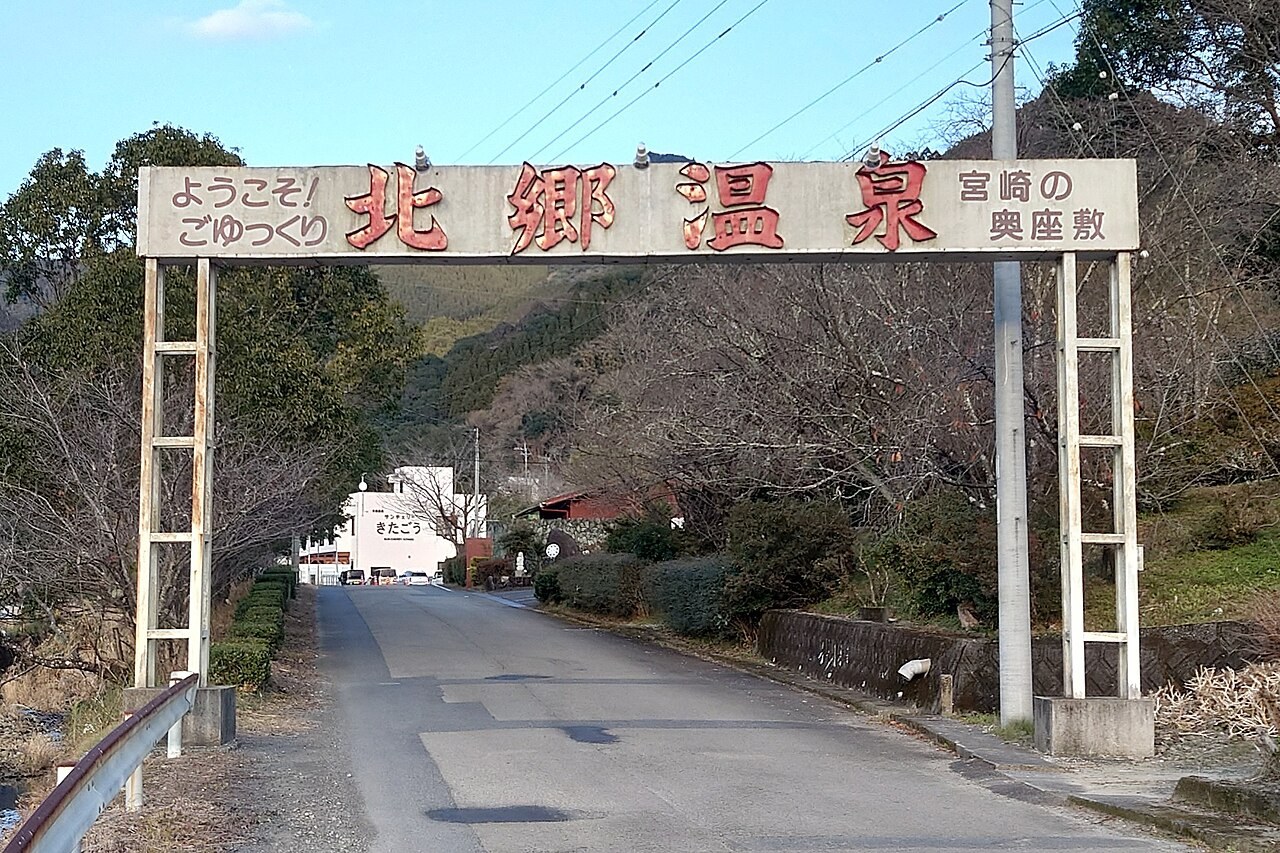
Kitago's bicarbonate springs (29–51 °C) bubble up in Nichinan, on Miyazaki's warm southern coast, about 3 minutes by car from Kitago Station. A small, local spring town near the preserved samurai streets of Obi, it has soaked the Nichinan coast's farmers and fishermen for generations. Below are the bathhouses and inns of the town confirmed on official sources — their own websites, the city and the tourism association — listed by hand, because this town's springs were not recorded in OpenStreetMap.
| Prefecture | Miyazaki |
|---|---|
| Region | Kyushu |
| Spring quality | Bicarbonate spring (sodium bicarbonate water) |
| Source temperature | 29–51 °C at source, by spring |
| Nearest station | Kitagō (JR Nichinan Line), then about 3 minutes by car or taxi |
| From Tokyo | Fly to Miyazaki (about 1 h 40 min), then about 1 hour by train or bus |
| From Osaka | Fly to Miyazaki (about 1 hour), then train or bus south |
| Best season | Year-round in Miyazaki's mild winters; Obi's castle town in every season |
| Facilities listed below | 4 — confirmed on official sources (not OpenStreetMap) |
Spring quality, source temperatures and access routes are drawn from the Japanese Wikipedia articles on each town (CC BY-SA 4.0) and the English articles credited below. Journey times are typical scheduled times for the routes named, rounded — always check current timetables before you travel.
About Kitago Onsen
Kitago Onsen (北郷温泉) is a quiet hot spring in the Kitago district of Nichinan, Miyazaki Prefecture, in the warm south of Kyushu. Its water is a bicarbonate spring — sodium bicarbonate water — with source temperatures between 29 and 51 °C depending on the spring, some of it rising from as deep as 800 metres underground. The nearest station, Kitago on the JR Nichinan Line, is about 3 minutes away by car or taxi.
This is the spring country of the Nichinan coast: mild winters, cedar mountains behind and the Pacific not far in front. Kitago has stayed small and local while other Kyushu resorts grew, and that is its appeal — a working country spring town that serves first as a base for the coast and only second as a destination in itself.
Getting to Kitago: the journey south from Miyazaki
Most visitors arrive through Miyazaki City. From Tokyo, flights to Miyazaki take about 1 hour 40 minutes, followed by roughly an hour by train or bus south to Kitago. From Osaka, the flight is about 1 hour, again with the train or bus ride south to finish. The local detail is convenient: Miyazaki Kotsu buses stop at the Kitago Onsen bus stop right by the springs, and Kitago Station on the JR Nichinan Line is only about 3 minutes by car or taxi.
The Nichinan Line itself is part of the trip — a single-track local railway running down the coast through some of the warmest country in Japan. Allow the journey its time: Kitago rewards travellers who arrive by the slow route, settle into the valley, and use the spring as the fixed point of a few unhurried days.
When to come: mild winters on the Nichinan coast
The recorded best season for Kitago is, simply, year-round. Miyazaki’s winters are mild by Japanese standards, so the spring works as a winter escape as well as a summer base, and the bicarbonate water — up to 51 °C at its hottest source — is as welcome in January as in July. There is no single peak to plan around and no off-season to avoid.
The natural companion to the springs, the castle town of Obi, is likewise a place for every season, so a Kitago trip does not depend on timing. Come when the coast suits you: the town will be doing what it always does, drawing its warm water up from deep below the cedar hills and offering it, without fuss, to whoever makes the journey south.
The sections above were written for this guide from the facts in the Japanese Wikipedia article 「北郷温泉」 and the spring and access data summarised on this page, under CC BY-SA 4.0.
Obi and the warm south
Kitago is the spring of the Nichinan coast, a small cluster of inns and a public bath in the hills behind the port towns, fed by bicarbonate springs recorded between 29 and 51 °C with a generous flow. Its natural partner is Obi, a few kilometres away: a preserved castle town of stone walls, samurai streets and merchant houses from the Edo period, often called the little Kyoto of Kyushu.
Miyazaki's winters are among the mildest in Japan, and the Nichinan coast road south of the springs passes the Aoshima island shrine and the Sun Messe Nichinan moai. Kitago works best as the quiet overnight base for this coast — local, unhurried and largely undiscovered by international visitors.
Four sources at the foot of the cedar mountains
Kitago's numbers are recorded precisely: four sources, temperatures from 29 to 51 °C, a flow of 490–550 litres a minute, and some sources drinkable — the traditional listing credits the water, a bicarbonate spring, for a long catalogue of bathing and drinking indications. The inns are scattered along Prefectural Route 28 at the foot of the mountains famous for Obi cedar, with the clear Hiroto River running past on its way down from Mount Wanitsuka.
The free footbath in front of the Iyae Gorge is the easiest stop: sodium spring water for tired feet before or after walking the gorge. Kitago Station on the JR Nichinan Line is about three minutes by car, and the Nichinan-Kitago interchange on the Higashi-Kyushu Expressway about five.
Additional sections above were translated and summarised from the Japanese Wikipedia article 「北郷温泉」, available under CC BY-SA 4.0.
Bathhouses and inns confirmed on official sources (4)
This town's bathhouses were not recorded in OpenStreetMap, so the list below was compiled by hand from official sources — the facilities' own websites, the City of Nichinan and the Nichinan City Tourism Association (checked on 2026-11-05). Prices and opening hours are not listed, as they change often; confirm them on each official site before you go.
- Hotel Nichinan Kitago Resort ホテル日南北郷リゾート
Hotel and golf resort on a hill at about 290 metres in Gonohara, Kitago, with a panoramic open-air bath, an indoor bath, a private bath and a bedrock bath.
Official website - Kitago Neiroga-no-Toki Nemunohana 北郷 音色香の季 合歓のはな
Ten detached villas along the Inohaye Valley in Gonohara, every villa with its own natural onsen open-air bath.
Official website - San Cherry Kitago サンチェリーきたごう
City-owned onsen facility in Kitago that reopened on 21 December 2024 as a day-use-only bathhouse, with a large bath, a sauna, an open-air bath and three family baths with open-air baths.
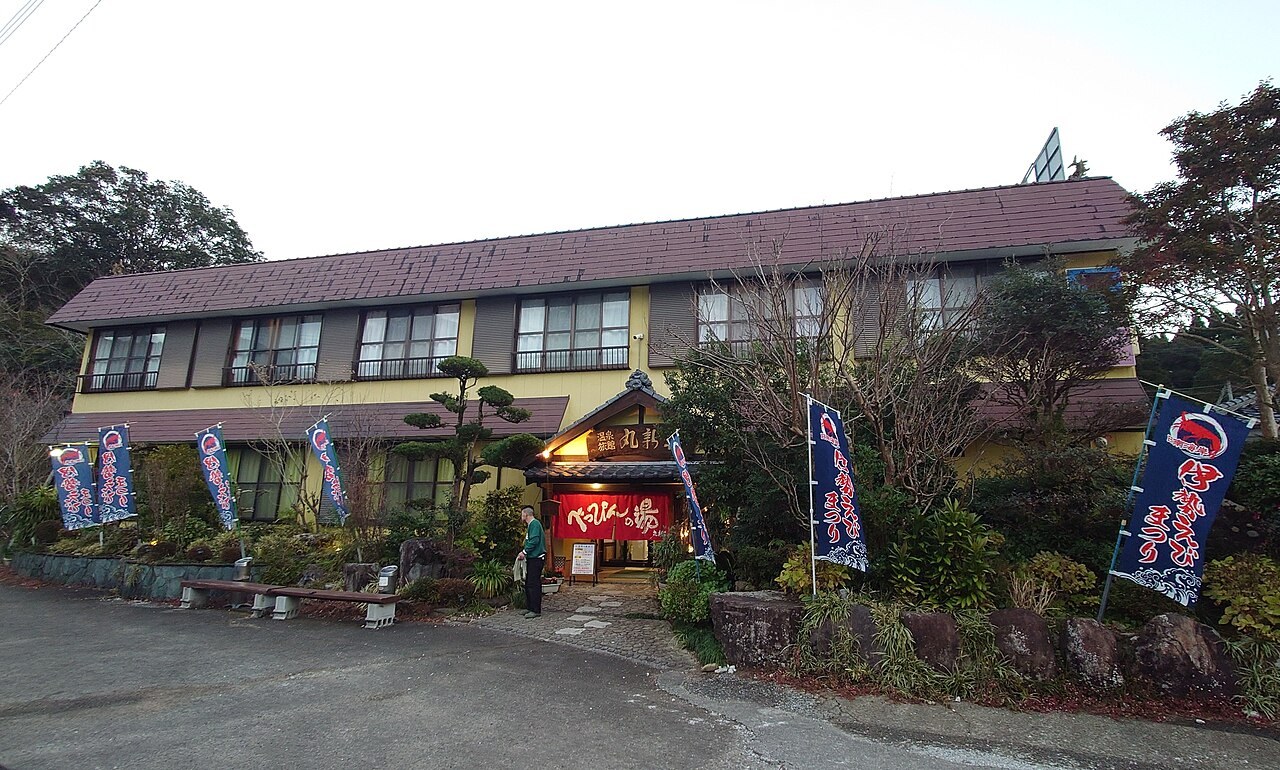
City of Nichinan official page - Beppin-no-Yu Marushinso べっぴんの湯 丸新荘
Small inn in Kitago Onsen whose spring is branded Beppin-no-Yu; listed among the Kitago lodgings by the Nichinan City Tourism Association.
Nichinan City Tourism Association — lodging list
Gallery


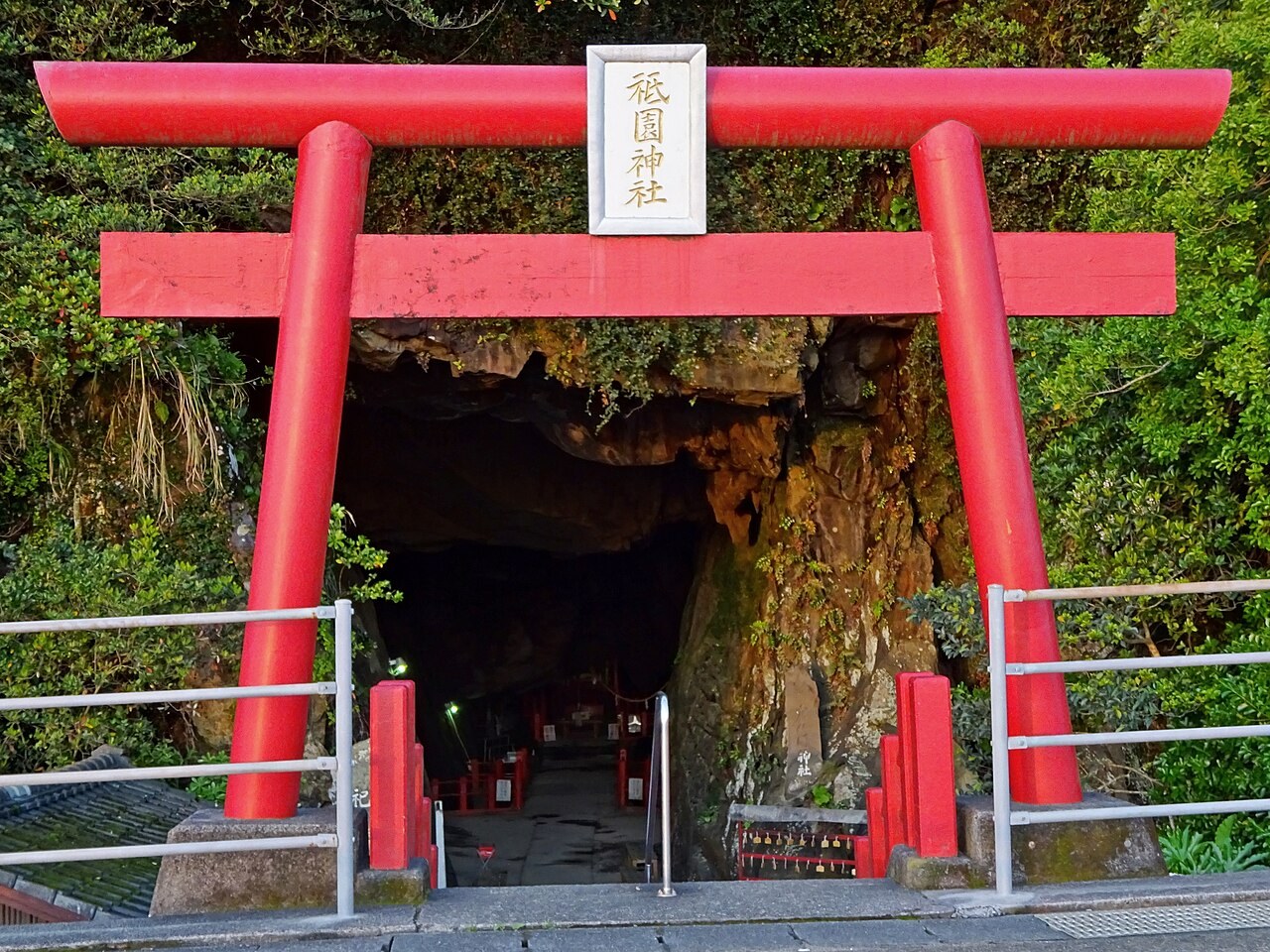

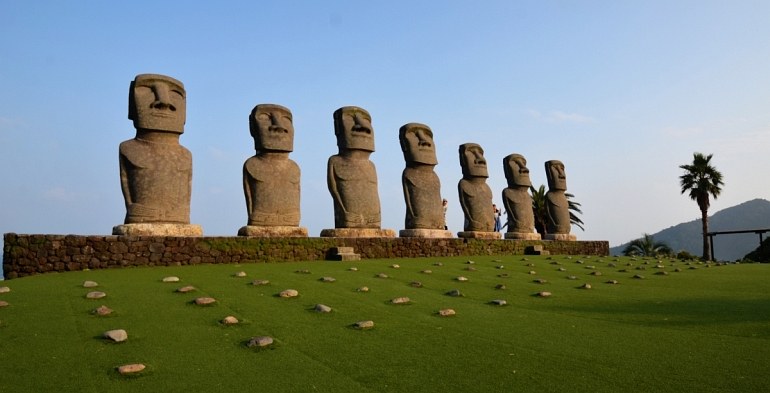

The facility list on this page was compiled by hand from official sources, not from OpenStreetMap — see the list above the gallery. Before your first visit, read how to use an onsen.
More onsen towns
- Ibusuki Onsen 指宿温泉 — Across the bay — Kagoshima's famous sand baths
- Kurokawa Onsen 黒川温泉 — North into the Aso mountains — Kyushu's beloved rotenburo town
- Beppu Onsen 別府温泉 — Up the coast to Oita's eight steaming districts
- Ashizuri Onsen 足摺温泉 — Across the Pacific coast — the cape springs of Shikoku
Keep exploring
- All onsen towns in Kyushu & Okinawa — this town's region, town by town
- Browse by spring type — find towns by their water
- Browse by feature — day trips, snow-view baths, free communal baths and more