Home › Onsen towns › Hanamaki Onsen
Hanamaki Onsen 花巻温泉
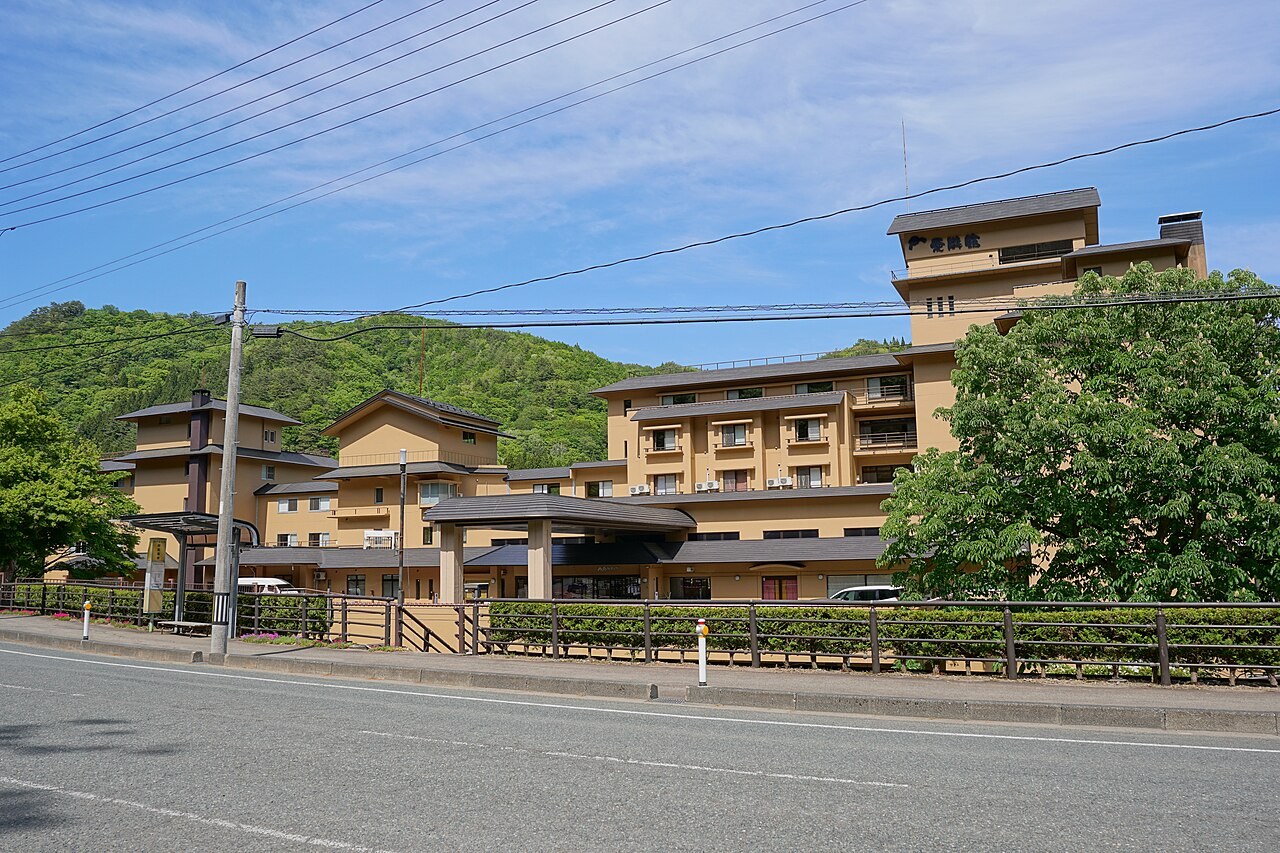
Hanamaki is not one spring but a valley of them — a string of inn villages along the Dai and Toyosawa rivers in Iwate, about 30 minutes by bus from Hanamaki Station. Each district (Osawa, Shidotaira, Namari, Dai and the Hanamaki Onsen village itself) has its own water and character, in the hometown of the poet Kenji Miyazawa. Below are the bathhouses and inns of the valley confirmed on official sources — their own websites and the local tourism association — listed by hand, because this town's springs were not recorded in OpenStreetMap.
| Prefecture | Iwate |
|---|---|
| Region | Tohoku |
| Spring quality | Varies by district — the valley's spring villages each draw on their own sources (simple, sulphur and other waters) |
| Source temperature | Varies by source and district across the valley |
| Nearest station | Hanamaki (JR Tōhoku Main Line) or Shin-Hanamaki (Tōhoku Shinkansen), then bus into the valley |
| From Tokyo | About 3 hours — Tōhoku Shinkansen to Shin-Hanamaki (about 2 h 10 min) + bus |
| From Osaka | Fly to Iwate-Hanamaki Airport, then a short bus or taxi ride |
| Best season | Spring blossom and autumn leaves in the river valleys; winter for snow-view bathing |
| Facilities listed below | 6 — confirmed on official sources (not OpenStreetMap) |
Spring quality, source temperatures and access routes are drawn from the Japanese Wikipedia articles on each town (CC BY-SA 4.0) and the English articles credited below. Journey times are typical scheduled times for the routes named, rounded — always check current timetables before you travel.
About Hanamaki Onsen
Hanamaki Onsen (花巻温泉) is the best-known name in a group of hot-spring villages in the western hills of Hanamaki City, Iwate Prefecture, where the Dai and Toyosawa rivers run down from the mountains. Rather than one resort street, it is a valley of separate spring villages, each drawing on its own sources — which is why the waters here cannot be summed up in a single spring quality.
The nearest shinkansen stop is Shin-Hanamaki, about two hours and ten minutes from Tokyo, with buses carrying bathers on into the valley; the older Tōhoku Main Line station of Hanamaki serves the city below. Spring blossom, autumn leaves and snow-view bathing mark the valley’s seasons, and the whole area has the settled feel of a long-established Tohoku bathing region.
The water: a different spring in every village
Because each village in the valley keeps its own source, Hanamaki’s spring quality varies by district: simple springs, sulphur springs and other waters all appear along the two rivers, and source temperatures vary by source and district as well. There is no single “Hanamaki water” to describe — the honest summary is a menu of waters, and the choice of village is also a choice of bath.
That variety shapes how a visit works. A traveller who wants one particular water should check the village and inn before booking, since the spring recorded at one address may differ from the next village up the road. For bathers who enjoy contrast, the valley rewards moving between villages: the differences between sources are part of what this spring country offers, rather than an inconsistency to be ironed out.
Getting there and the valley seasons
Two stations serve the area: Hanamaki on the JR Tōhoku Main Line in the city, and Shin-Hanamaki on the Tōhoku Shinkansen, with buses running from both into the spring valley. From Tokyo the trip takes about three hours in total — the shinkansen covers the long leg in roughly two hours and ten minutes, and the bus does the rest. From Osaka, the sensible route is a flight to Iwate-Hanamaki Airport, followed by a short bus or taxi ride.
The valley’s calendar is a Tohoku one. Spring brings blossom along the rivers, autumn turns the leaves in the gorges the villages line, and winter offers snow-view bathing — a soak taken while snow lies on the valley sides. Each season suits the valley’s slow pace, and none of them requires the springs to be anything other than what they are: a chain of quiet villages above a small Iwate city.
The sections above were written for this guide from the facts in the Japanese Wikipedia article 「花巻温泉郷」 and the spring and access data summarised on this page, under CC BY-SA 4.0.
A valley of separate springs
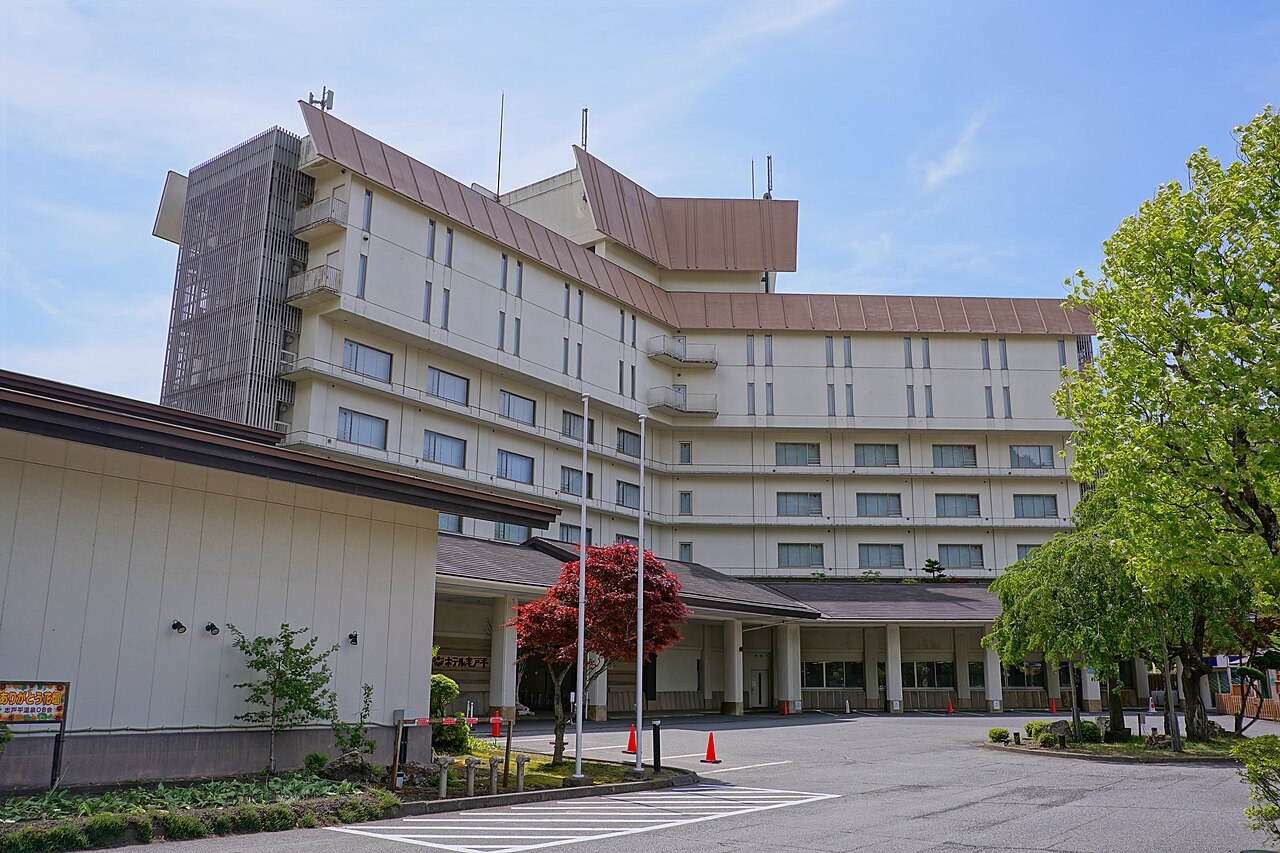
Hanamaki Onsenkyō is a collective name for the spring villages along the Dai and Toyosawa rivers west of Hanamaki city: Hanamaki Onsen itself, with its large garden inns; Dai Onsen, a line of small wooden inns in a gorge; Osawa Onsen, whose riverside open-air bath has drawn cure guests since the Edo period; Shidotaira, Namari and their neighbours up the valleys. Each village keeps its own source and its own pace, and a local bus links them along the rivers.
The town below is Kenji Miyazawa's hometown — the poet and storyteller was born here in 1896, and his memorial museum and the fairy-tale village (Dōwa-mura) sit near the spring road. The classic Hanamaki trip pairs a morning among Miyazawa's manuscripts and exhibits with an afternoon moving between the valley's baths.
Twelve springs along two rivers
Hanamaki Onsenkyo is not one spring but twelve: Hanamaki, Hanamaki-Kita, Dai, Kanaya, Towa, Namari, Shin-Namari, Yama-no-Kami, Osawa, Watari, Shidodaira and Matsukura, spread along the Dai and Toyosawa rivers in western Hanamaki City. The inns range from single-house secluded lodgings and old-fashioned cure stays to large resort hotels, which is why the collective name — the Twelve Springs of Hanamaki — matters more than any single address.
The springs up the Toyosawa River are also called the Hanamaki South Onsen Gorge, after the ravine they line. The whole area sits inside a prefectural natural park, and a private railway, the Hanamaki Dentetsu, once ran bathers out from Hanamaki Station to the springs before the buses took over.
Additional sections above were translated and summarised from the Japanese Wikipedia article 「花巻温泉郷」, available under CC BY-SA 4.0.
Bathhouses and inns confirmed on official sources (6)
This town's bathhouses were not recorded in OpenStreetMap, so the list below was compiled by hand from official sources — the facilities' own websites and the Hanamaki Tourism Association (checked on 2026-11-05). Prices and opening hours are not listed, as they change often; confirm them on each official site before you go.
- Hotel Koyokan ホテル紅葉館
Resort hotel of the Hanamaki Onsen group in the Hanamaki Onsen village, known for its rock open-air bath with seasonal views.
Official website - Hotel Hanamaki ホテル花巻
Hotel of the Hanamaki Onsen group in the Hanamaki Onsen village, known for its hinoki-wood and rock-plate open-air bath with views.
Official website - Hotel Senshukaku ホテル千秋閣
Hotel of the Hanamaki Onsen group in the Hanamaki Onsen village, with room types for solo, business, family and group stays.
Official website - Kashoen 佳松園
The luxury ryokan of the Hanamaki Onsen group, in the Hanamaki Onsen village.
Official website - Osawa Onsen Sansuikaku 大沢温泉 山水閣
The modern ryokan building of the Osawa Onsen complex on the Toyosawa River; the complex's three buildings hold six baths in total, including the self-catering toji building Tojiya.
Official website - Hotel Shidotaira 湯の杜 ホテル志戸平
Riverside resort hotel on the Toyosawa River in the Shidotaira district of the Hanamaki spring villages.
Official website
Gallery
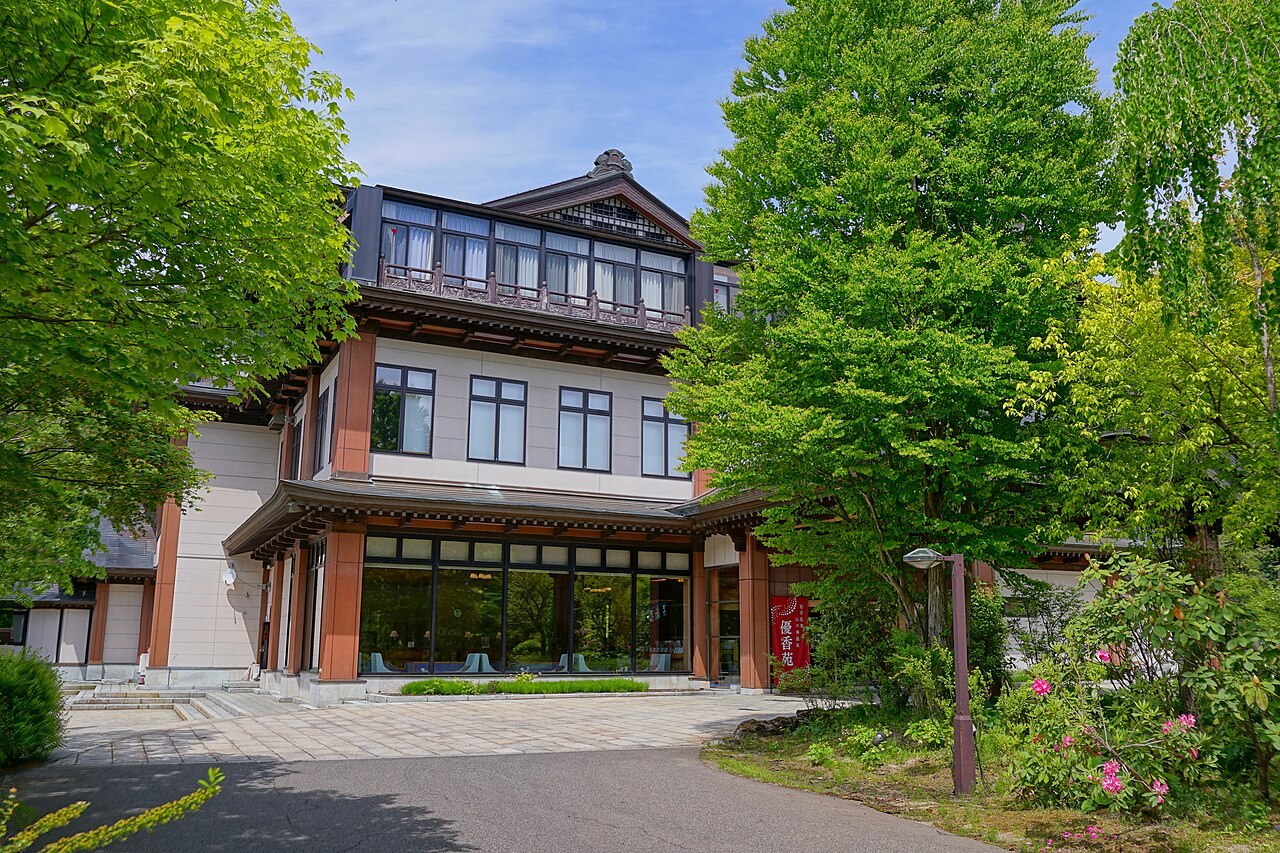

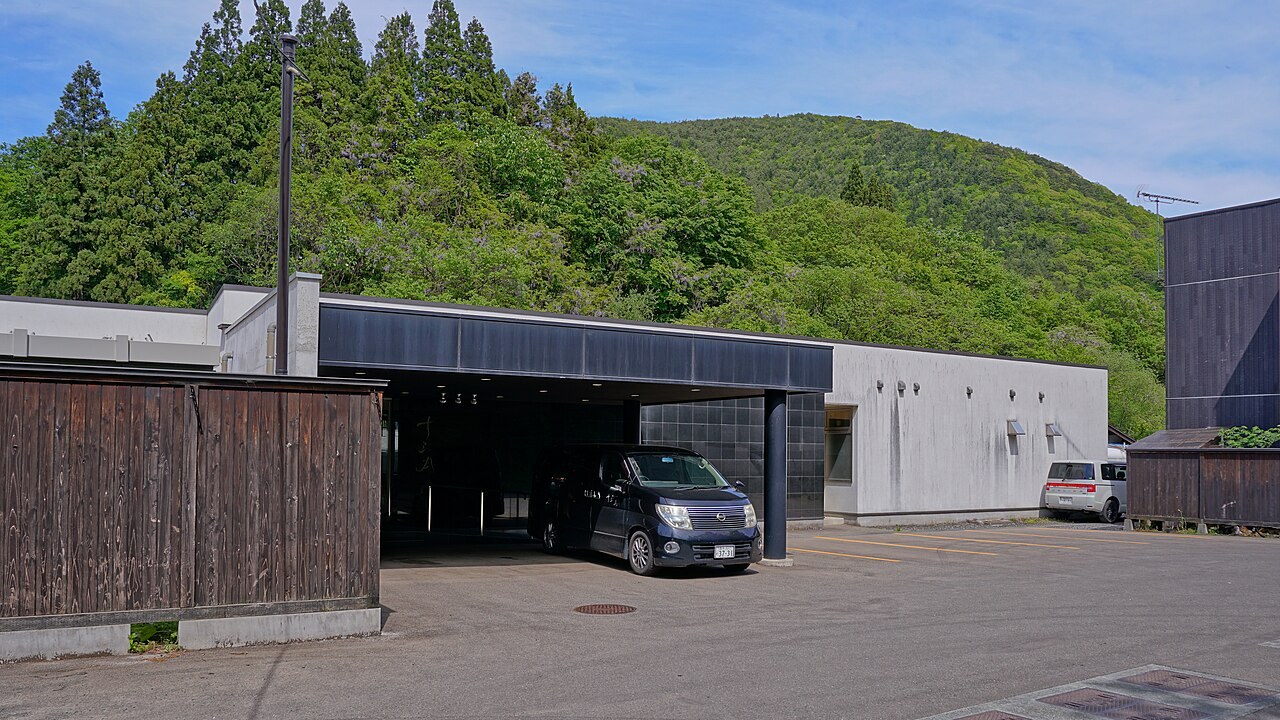

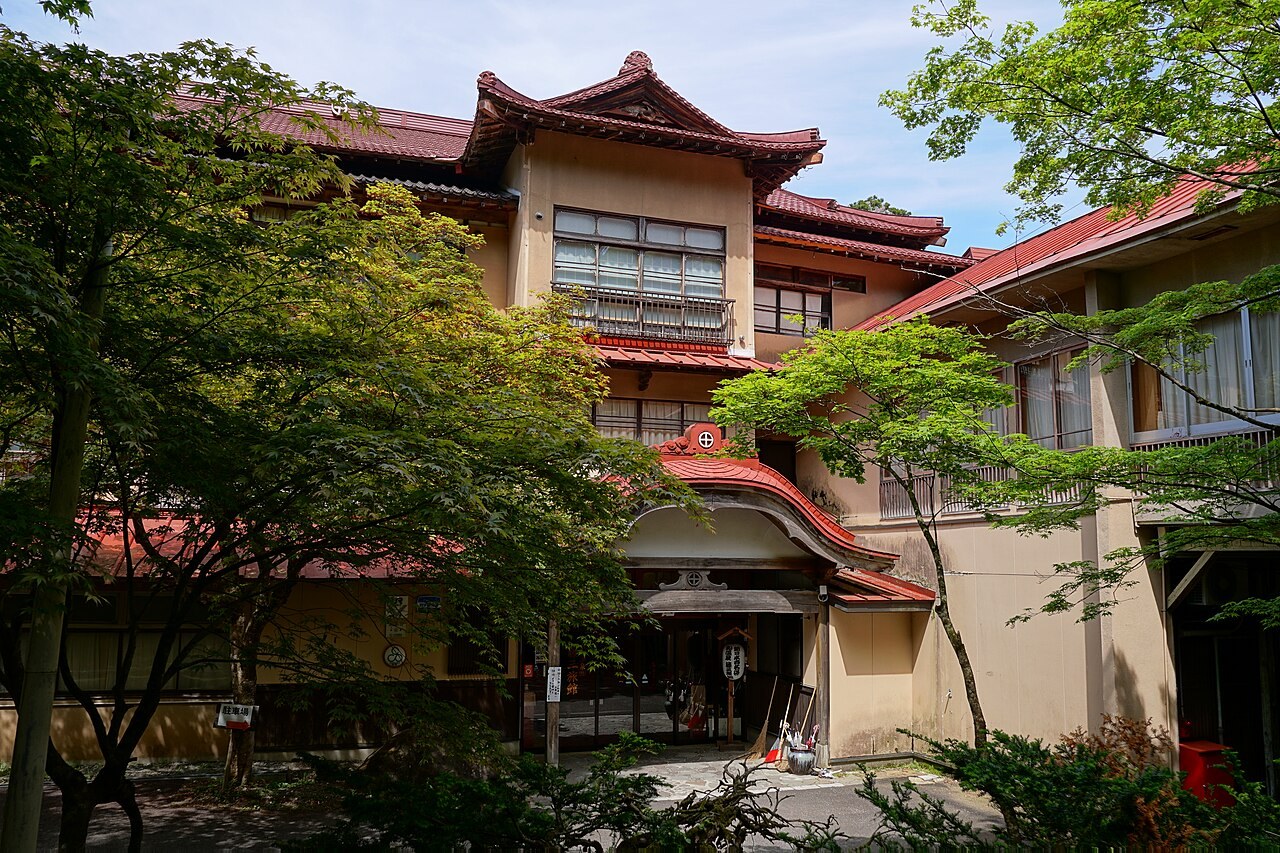

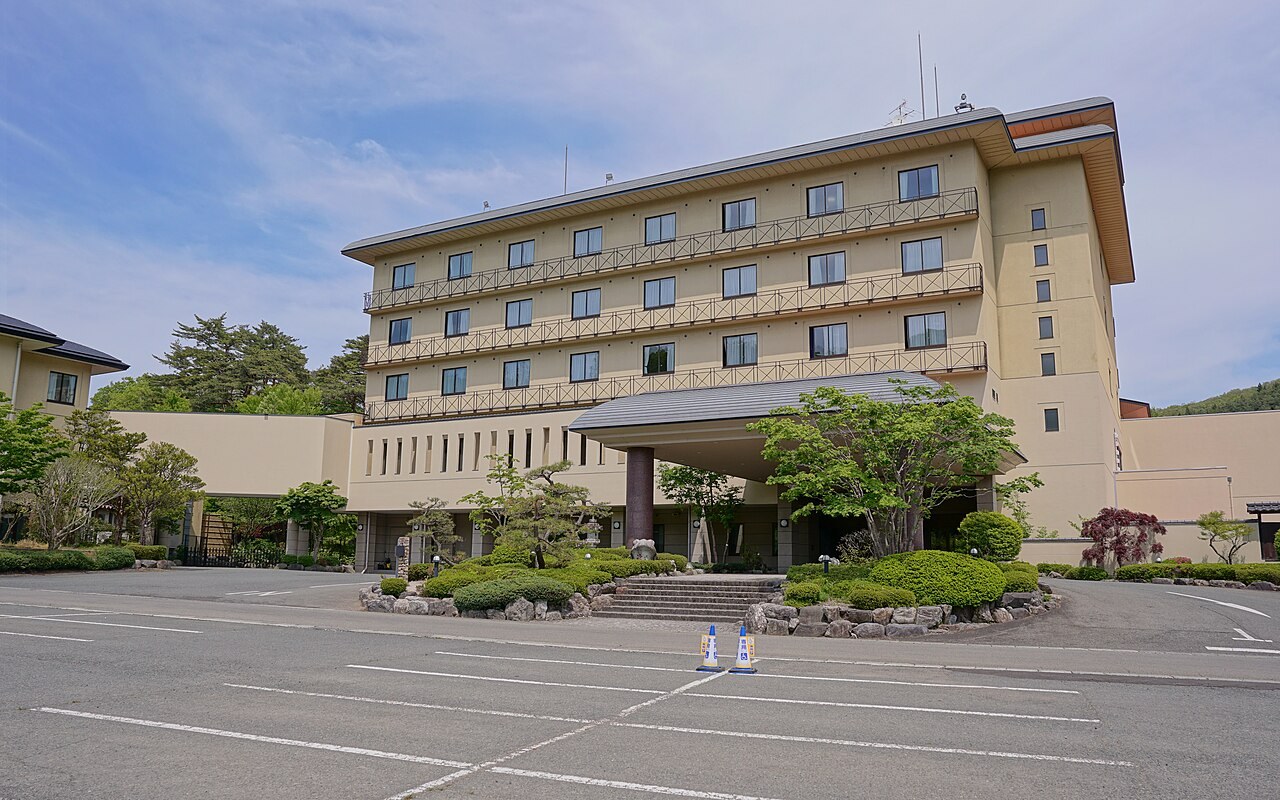

The facility list on this page was compiled by hand from official sources, not from OpenStreetMap — see the list above the gallery. Before your first visit, read how to use an onsen.
More onsen towns
- Akiu Onsen 秋保温泉 — Another Tohoku resort valley — Sendai's back parlour
- Sukayu Onsen 酸ヶ湯温泉 — The same region's extreme spring — fiercely acidic water in the Hakkoda snow
- Iizaka Onsen 飯坂温泉 — Another historic Tohoku cure town, built along a river
- Ginzan Onsen 銀山温泉 — Another northern preserved onsen streetscape
Keep exploring
- All onsen towns in Tohoku — this town's region, town by town
- Browse by spring type — find towns by their water
- Browse by feature — day trips, snow-view baths, free communal baths and more