Home › Onsen towns › Ureshino Onsen
Ureshino Onsen 嬉野温泉
Ureshino's water — a sodium bicarbonate chloride spring that leaves skin famously smooth — flows through a tea-growing town in Saga, now served by Ureshino-Onsen Station on the Nishi Kyushu Shinkansen. Counted among Japan's three great skin-beautifying springs since the Edo period, it also cooks the local yudōfu tofu. Below are the bathhouses, spring sources and onsen facilities recorded in OpenStreetMap within about 2.5 km of the town centre.

| Prefecture | Saga |
|---|---|
| Region | Kyushu |
| Spring quality | Chloride spring rich in sodium bicarbonate (the 'beautiful skin' water, pH 7.8 in town analyses) |
| Source temperature | Varies by source across the town centre |
| Nearest station | Ureshino-Onsen (Nishi Kyūshū Shinkansen); Takeo-Onsen + about 30 minutes by bus is the other classic route |
| From Tokyo | Fly to Saga or Nagasaki, then bus; or Shinkansen via Hakata (about 5 hours 30 minutes) |
| From Osaka | About 4 hours — Shinkansen via Hakata / Takeo-Onsen |
| Best season | Year-round — new tea season in spring in the surrounding hills |
| Places listed here | 3 |
| Public bathhouses | 3 |
| Hot spring sources | 0 |
Spring quality, source temperatures and access routes are drawn from the Japanese Wikipedia articles on each town (CC BY-SA 4.0) and the English articles credited below. Journey times are typical scheduled times for the routes named, rounded — always check current timetables before you travel.
About Ureshino Onsen
Ureshino Onsen (嬉野温泉) is a hot spring town in Ureshino Town, Ureshino City, Saga Prefecture, in the hills of Kyushu. Its water is a chloride spring rich in sodium bicarbonate, recorded at pH 7.8 in town analyses, and it is celebrated as one of Japan's three great skin-beautifying springs, a reputation built on the smooth feel of the water on the skin.
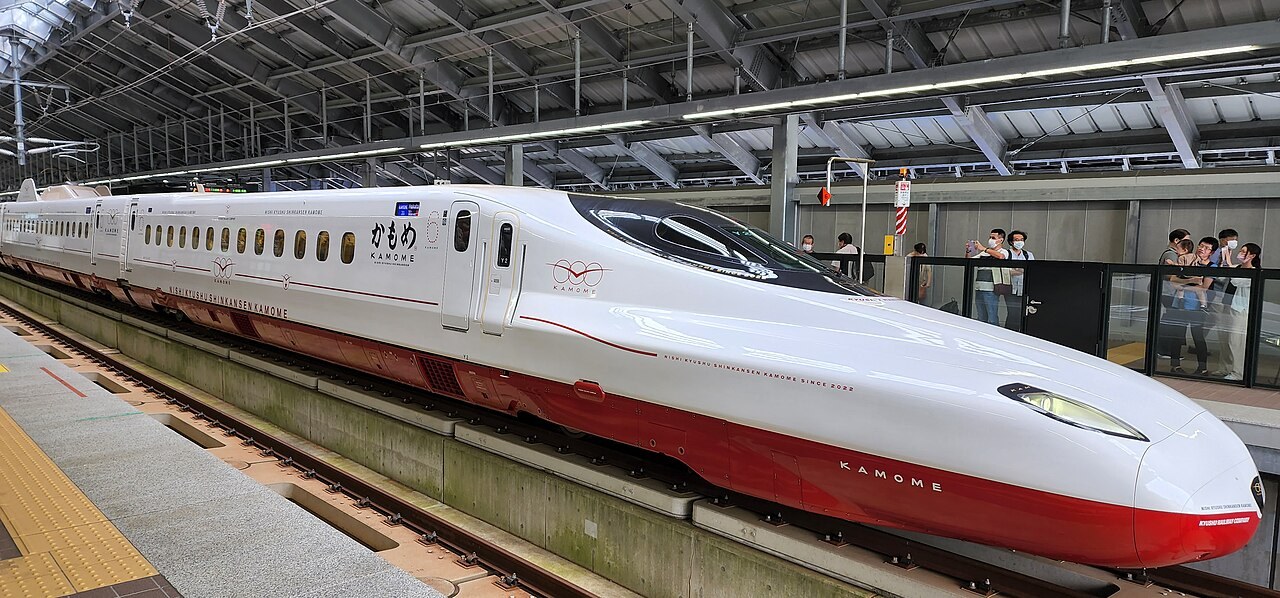
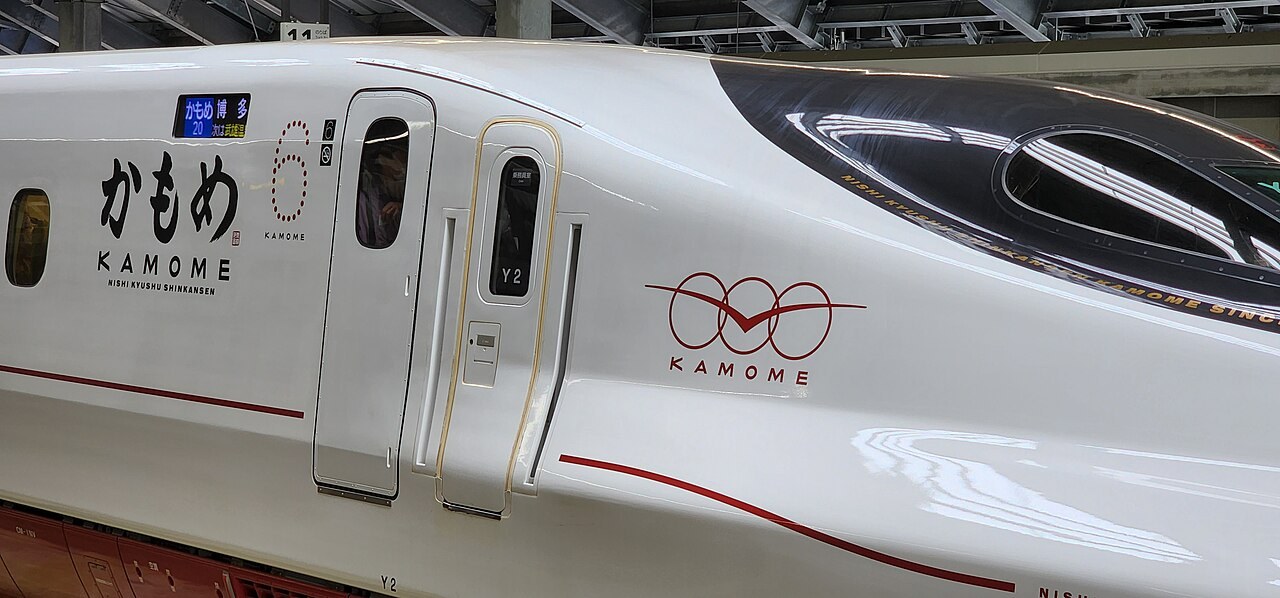
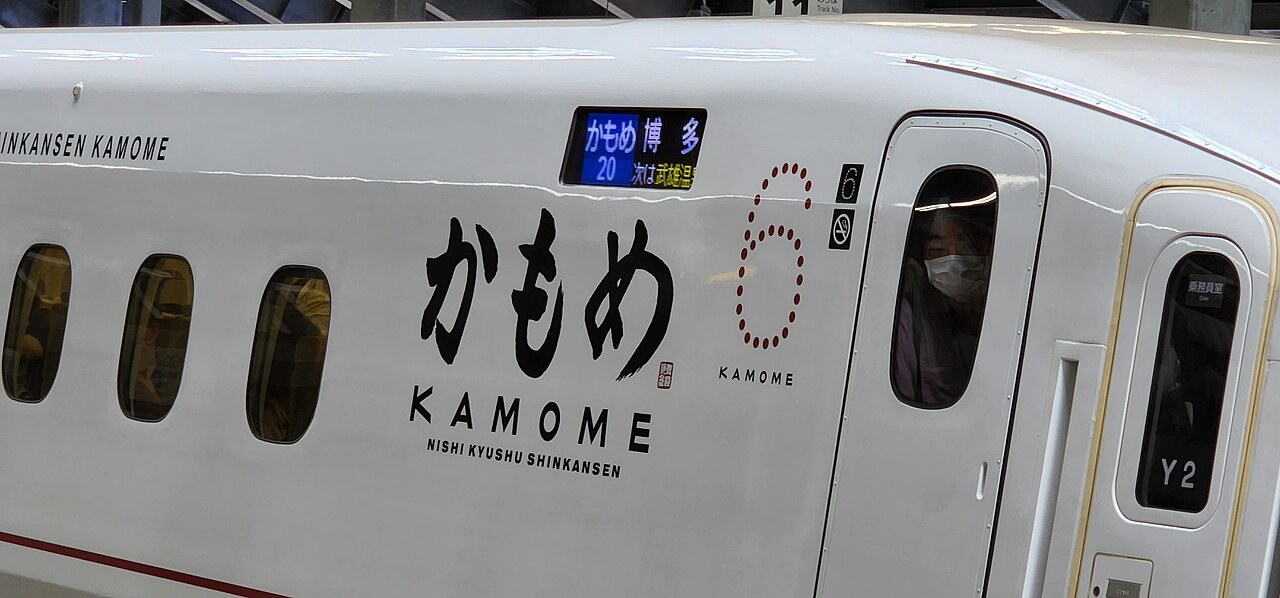
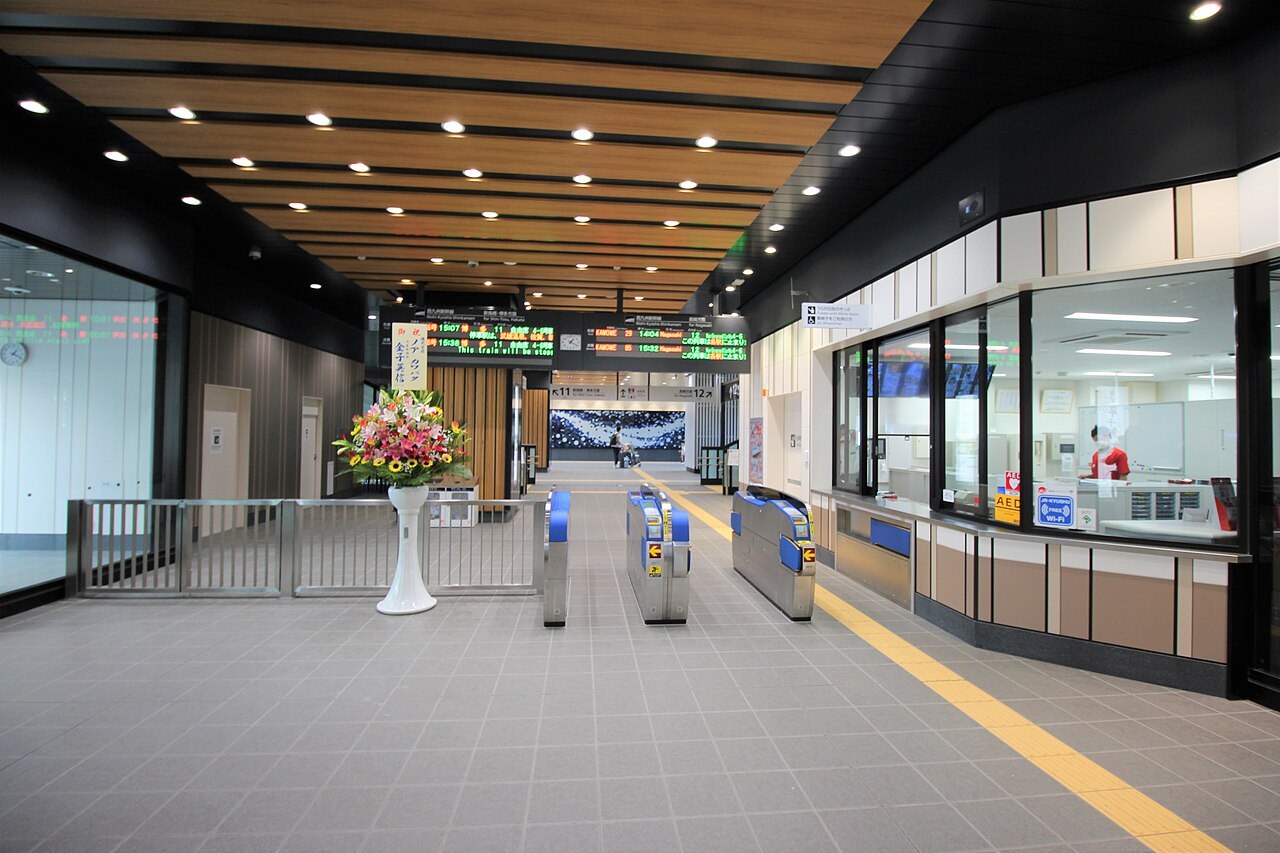
Together with Takeo Onsen, Ureshino is one of the representative hot springs of Saga Prefecture, and the area was selected as one of Japan's Hundred Views. The town now has its own station, Ureshino-Onsen, on the Nishi Kyūshū Shinkansen, with the older route via Takeo-Onsen and a bus of about 30 minutes still in use.
The water: a sodium bicarbonate chloride spring at pH 7.8
Ureshino's spring quality is a chloride spring, and its defining ingredient is sodium bicarbonate, which gives the water its character. The pH recorded in the town's reference data is 7.8, mildly alkaline, and the source temperature varies by source across the town centre. Bicarbonate-rich waters are known among Japanese bathers for the smooth, soft feeling they leave, and Ureshino's fame rests squarely on that quality.
That fame has a formal shape. The town promotes itself under the name of one of Japan's three great skin-beautifying springs, and both that title and the name Saga Ureshino Onsen have been registered as trademarks by Ureshino City. Visitors should treat the skin-beautifying label in the spirit it is offered, as the town's traditional claim and identity, while enjoying the simple, verifiable pleasure of a silky bicarbonate bath in a small Kyushu town.
A representative spring of Saga, chosen among Japan's Hundred Views
Within Saga Prefecture, Ureshino shares top billing with Takeo Onsen as the prefecture's representative hot springs. The pairing is a natural one for travellers, since the two towns are close to each other and connected by the classic bus route from Takeo-Onsen Station. Ureshino's appeal, however, is its own: a compact spring town in the hills, with its bathhouses in the town centre.
The area's scenery has also been formally recognised: Ureshino was selected as one of Japan's Hundred Views. Combined with the surrounding tea hills noted in this guide, that recognition points to a visit that is about landscape as well as water, green hills around a small town whose baths sit at its centre. This guide lists 3 places for Ureshino, all public bathhouses, reflecting a compact, walkable centre.
Tea hills around a hot spring town
Ureshino's surroundings set it apart from other Kyushu springs. The guide's recommended season is year-round, with the new tea season in spring highlighted in the hills around the town. Tea fields are part of the local landscape, and spring, when the new leaves are picked, is the time when that landscape is most alive and most closely tied to the town's identity.
The pairing of tea and hot spring water runs through a visit. A traveller can walk in a town where the baths are central, look out to tea-growing hills, and time a trip for the spring tea season without giving up anything of the bathing, since the water and the bathhouses are there in every season. It is a quiet combination that suits Ureshino's scale.
Getting there: the new Shinkansen station and the classic Takeo route
Ureshino now has two rail approaches. The newer one is its own station, Ureshino-Onsen, on the Nishi Kyūshū Shinkansen. The other classic route runs to Takeo-Onsen, followed by about 30 minutes by JR Kyushu bus, as given in the town's reference information. Either way, the final arrival is into a small town centre where the baths are close at hand.
From Osaka, the journey takes about 4 hours by Shinkansen via Hakata and Takeo-Onsen. From Tokyo, travellers fly to Saga or Nagasaki and continue by bus, or take the Shinkansen via Hakata in about 5 hours 30 minutes. For a spring of national reputation, Ureshino remains a modest, manageable place, and its improved rail access has simply made that modesty easier to reach.
The sections above were written for this guide from the facts in the Japanese Wikipedia article 「嬉野温泉」 and the spring and access data summarised on this page, under CC BY-SA 4.0.

Public bathhouse (recorded as onsen in OpenStreetMap) (1)
- Siebold's Bath シーボルトの湯
Official website · OpenStreetMap
Public bathhouse (spring type not recorded in OpenStreetMap) (2)
- Teacup onsen
OpenStreetMap - シーボルトの足湯
OpenStreetMap
Gallery




Names, types and websites are shown exactly as recorded in OpenStreetMap. A bathhouse whose spring type is not recorded is labelled as such — we do not guess. Before your first visit, read how to use an onsen.
More onsen towns
- Unzen Onsen 雲仙温泉 — Over the border — Nagasaki's sulphur hells in the national park
- Harazuru Onsen 原鶴温泉 — East to Fukuoka's river resort
- Kurokawa Onsen 黒川温泉 — Into the Aso foothills — the valley of open-air baths
- Beppu Onsen 別府温泉 — Kyushu's giant — eight districts, ten spring types
Keep exploring
- All onsen towns in Kyushu & Okinawa — this town's region, town by town
- Browse by spring type — find towns by their water
- Browse by feature — day trips, snow-view baths, free communal baths and more